
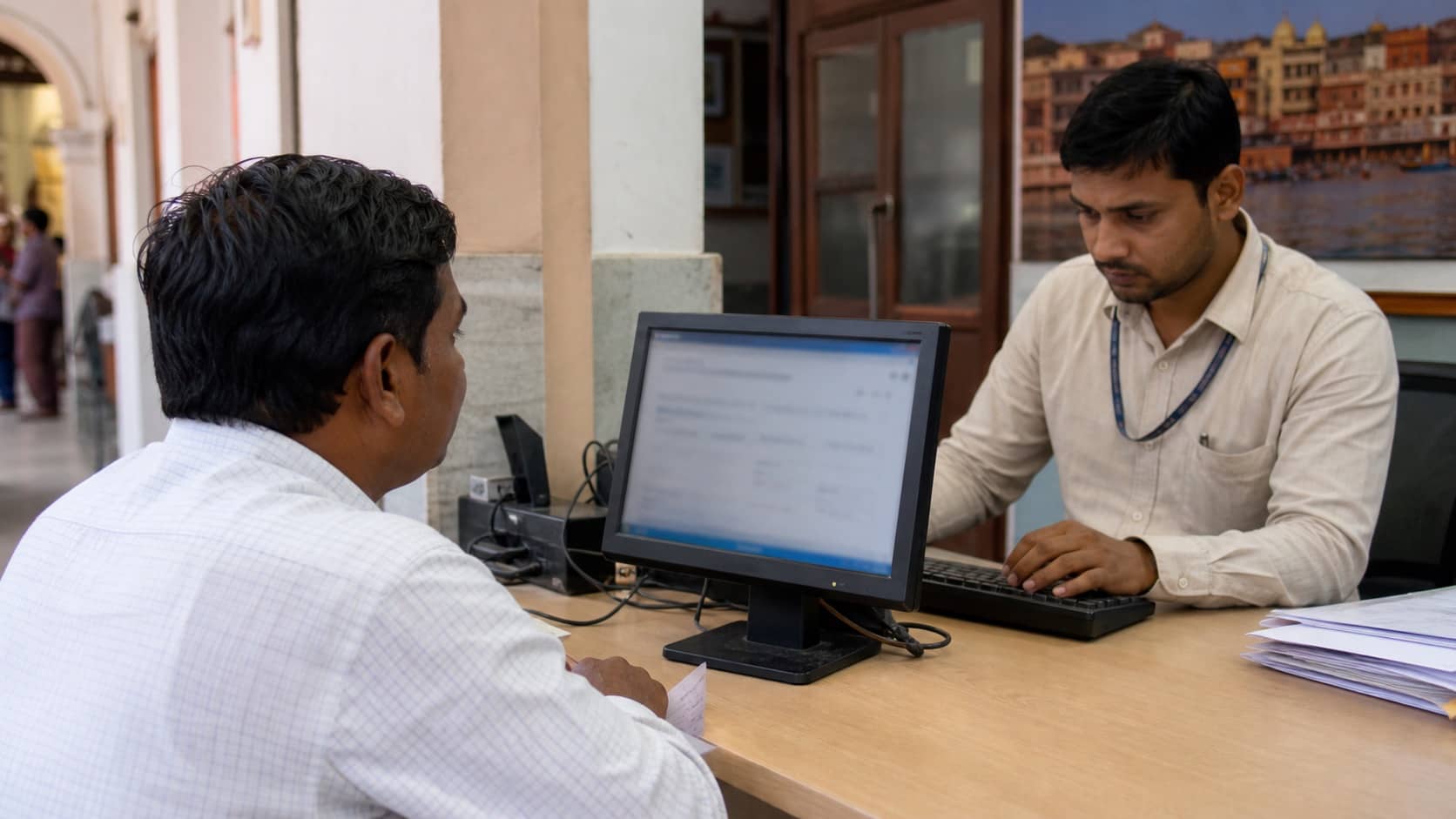
Three Varanasi residents have described separate complaints in which repeated approaches through the Integrated Grievance Redressal System, police stations or the command centre did not produce the practical result they expected. The accounts concern a disputed land payment, a money-transfer allegation and a bag left in an autorickshaw.
Sandeep Srivastava said he filed 14 IGRS complaints in connection with an Azamgarh land transaction and cheques, but remained dissatisfied with the response. His assertions are allegations and the underlying financial dispute must be established through documents and the appropriate legal process.
In a second case, Radhika Devi alleged that money was transferred in connection with a ₹6 lakh arrangement and that ₹2 lakh was retained. She said the matter had remained unresolved for around 45 days. The other party’s version and the exact banking records are necessary before responsibility can be determined.
The third complaint came from Durga Sharma, who said a bag was left in an autorickshaw in the Lanka area. She sought help in tracing the vehicle but reported difficulty obtaining useful access to command-centre footage or a clear follow-up. CCTV can assist only when the time, route and camera coverage are identified quickly, because footage-retention periods may be limited.
The three matters should not be merged into one accusation against an institution. They involve different facts, departments and legal questions. What connects them is the complainants’ experience of moving between a digital grievance number and offices without a clear explanation of who owns the next step.
An effective grievance system must do more than close a ticket. A useful response should state what was checked, what evidence is missing, which authority has jurisdiction and what remedy remains available. If a matter is civil rather than criminal, the complainant should be told that plainly. If an investigation is pending, an update should distinguish between action taken and action proposed.
Complainants can strengthen follow-up by preserving transaction records, cheque details, screenshots, complaint numbers and a written chronology. Officials, in turn, should avoid generic disposal remarks that leave the citizen exactly where the process began. These three reports are not proof that each allegation is correct, but they show why grievance redressal is judged by understandable outcomes—not by the number of references generated or files marked as disposed.
A published service standard could reduce frustration by giving each complaint a named department, a response deadline and an appeal route. That structure would make delay visible and prevent responsibility from circulating indefinitely between offices.