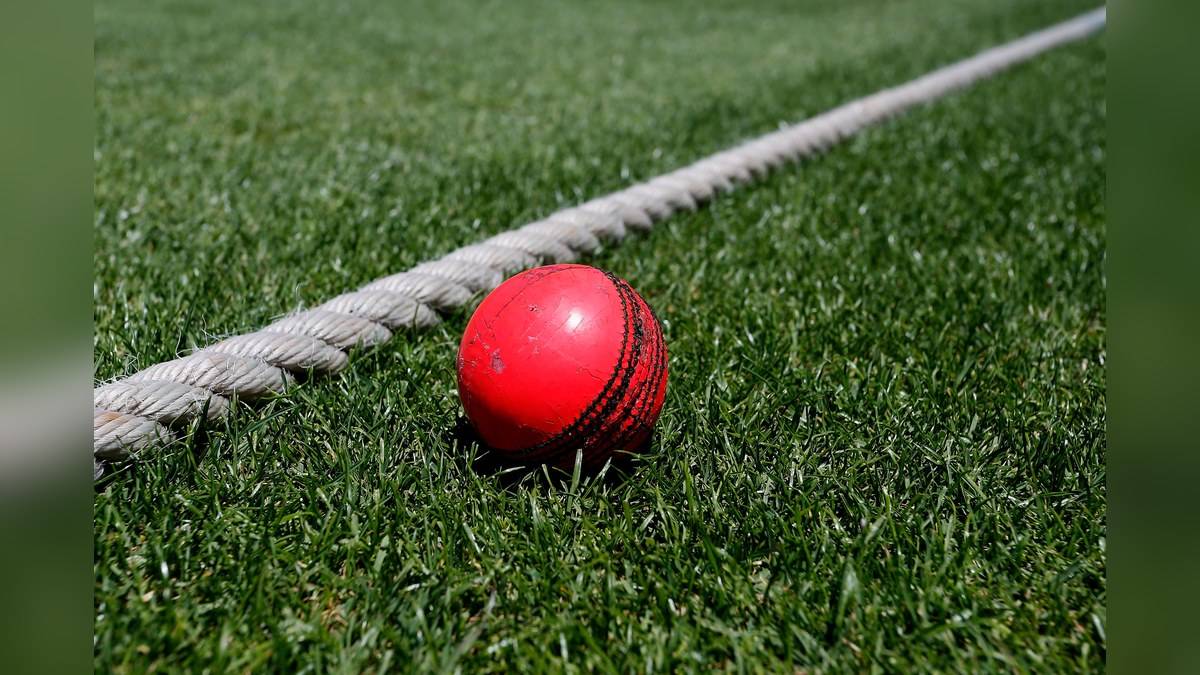
In men's Test cricket, a fielding captain may ask for a new ball once at least 80 completed overs have been bowled with the old one. Taking it is a choice, rather than an automatic change at the end of the 80th over. A ball lost or judged unfit before then is normally replaced by one with comparable wear, not a fresh ball.
Those are separate rules in clause 4 of the ICC Men's Test Match Playing Conditions effective from October 2026. The document also contains an exception for a ball that needs replacement after 110 overs. Understanding the reason for a ball change is therefore as important as checking the innings over counter.
| Situation | Rule in the men's Test conditions |
|---|---|
| Start of an innings | A new ball is used. |
| 80 completed overs with the old ball | The fielding captain may demand a new ball. |
| Lost or unfit through normal use | Replacement normally has comparable wear. |
| Such replacement needed after 110 overs | A new ball is used. |
Is a new ball compulsory after 80 overs in Tests?
No. Clause 4.4 says the fielding captain may demand it when the number of overs bowled with the old ball, excluding part overs, reaches or exceeds 80. The wording creates an option. It does not tell the umpire to remove a playable old ball automatically as soon as that threshold is reached.
For example, after 79 completed overs and five deliveries of the next over, the 80-completed-over threshold has not yet been reached. After that over is completed, the condition is satisfied. These are teaching figures explaining the part-over wording, not a report of a particular captain's decision.
A captain can continue with the old ball after it becomes eligible for replacement by a new one. The rule does not require a public explanation of that choice. Viewers may hear tactical discussion about bowlers or conditions, but those considerations are different from the legal question of when the option becomes available.
When a new ball is taken into play, the umpire must tell the other umpire and indicate the change to batters and scorers. That communication matters when interpreting a scorecard or commentary. A scheduled opportunity and a completed ball change are different events; the former does not prove the latter happened.
What happens if the cricket ball is lost or damaged?
Clause 4.5 covers a ball that cannot be found or recovered, or which the umpires agree is unfit through normal use. The replacement should have wear comparable with the previous ball. The batters and fielding captain must be told. The rule puts the assessment with the umpires, rather than giving either team an unrestricted right to choose a fresher replacement.
A batter hitting a ball beyond recovery therefore does not ordinarily gift the fielding side a brand-new one. Nor does a complaint that the ball feels soft establish that it must be replaced. The relevant questions are whether it is lost or unfit and what replacement the conditions require for that situation.
The same clause then says that if a ball needs replacement for those reasons after 110 overs, it is replaced by a new ball. This is a replacement exception. It should not be rewritten as a rule requiring every side still using an old ball to change it automatically at 110 overs, regardless of its condition.
Who selects and controls the Test match ball?
Under clause 4.2, the home board supplies approved-standard balls and spare used balls of the same brand. The visiting board must be told the brand at least 30 days before the matches. The fourth umpire supervises selection from a box containing at least six new balls taken to the dressing room.
The fielding captain or nominee can select the ball to bowl with from the supplied stock, but the umpires retain possession when play is not taking place. During play, they inspect its condition periodically and irregularly, and hold it at wickets, drinks intervals or other disruptions. These controls sit alongside the separate rules on changing its condition.
Clause 41.3 permits limited maintenance: polishing on clothing without an artificial substance, using sweat as the only natural substance; removing mud under an umpire's supervision; and drying a wet ball with an approved cloth. Unfairly changing the ball's condition is dealt with under its own procedure and should not be confused with ordinary wear replacement.
The official October 2026 men's Test document was checked on 12 November 2026. Find the edition through the ICC conditions directory. Its October update notice explains that the changes apply to international series starting on or after 1 October, with ongoing series using previous regulations.
For other Test situations, see follow-on rules, declaration rules and substitute fielder restrictions. None changes the basic distinction between a captain taking an available new ball and umpires replacing one that cannot remain in play.