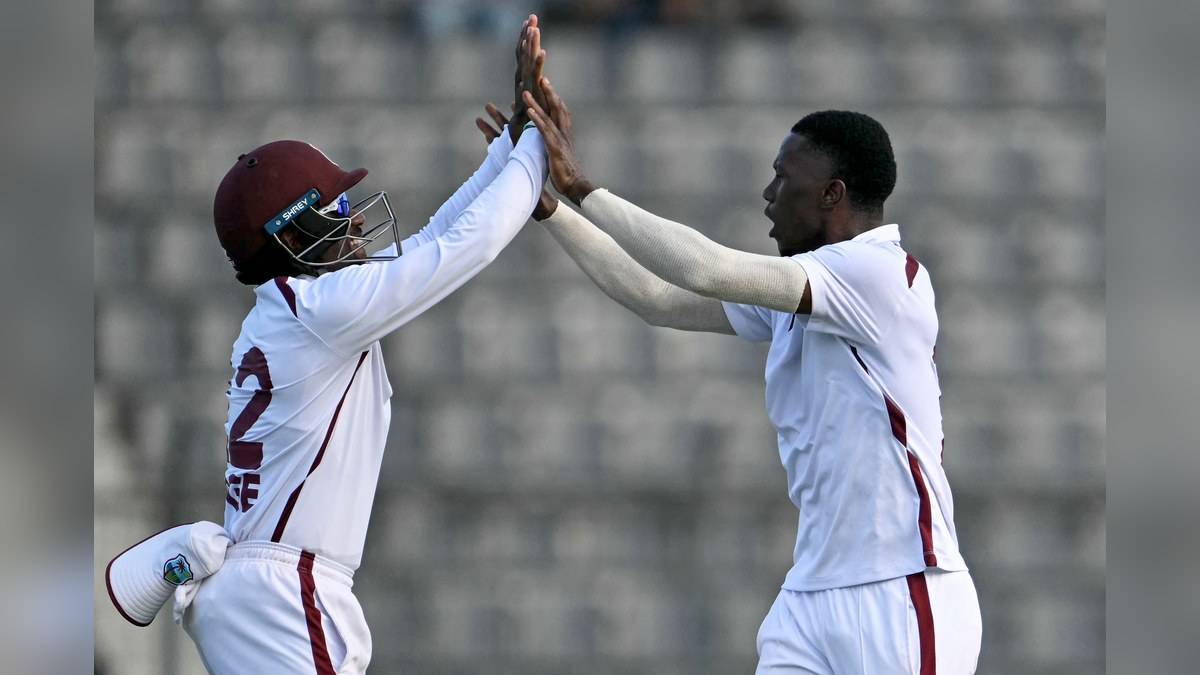
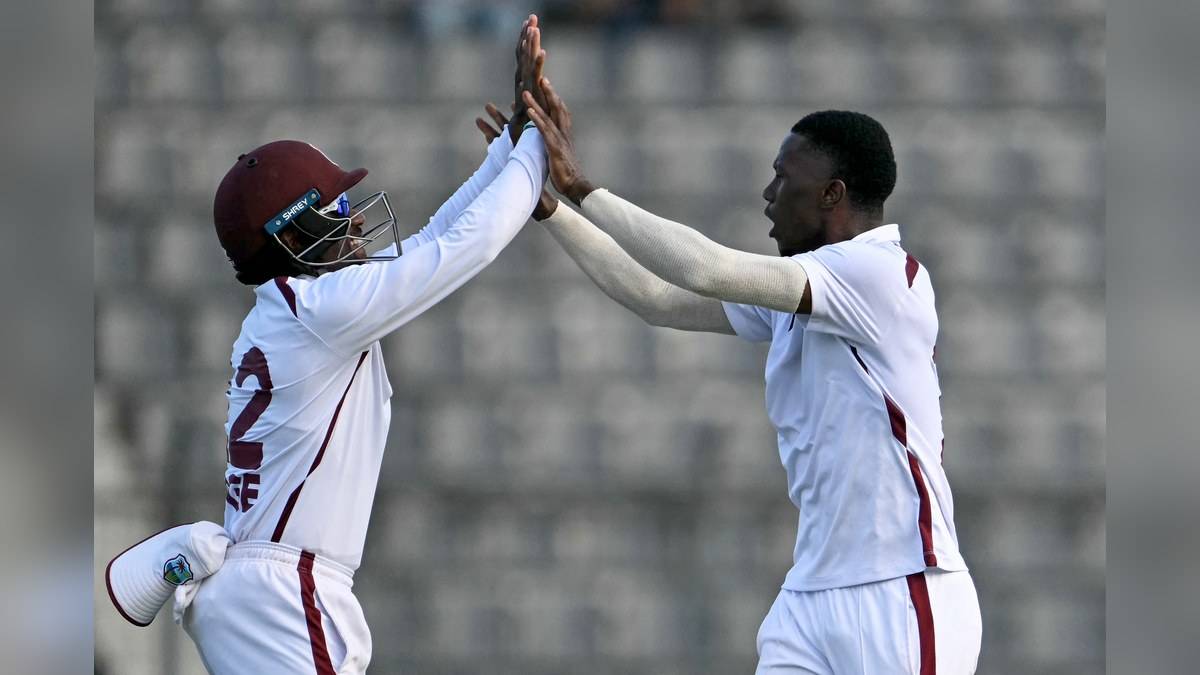
A substitute fielder in Test cricket can take the field with the umpires' approval when a player becomes ill or injured during the match, or for another wholly acceptable reason. The substitute cannot bowl or captain the side. Keeping wicket is possible, but requires the umpires' consent. The original player can return, although time spent absent may restrict when he can bowl or bat.
| Question | ICC men's Test rule |
|---|---|
| Who approves a substitute? | The umpires |
| Can the substitute bowl? | No |
| Can the substitute captain? | No |
| Can the substitute keep wicket? | Only with umpire consent |
| Does the original player lose his place? | No, subject to return and participation rules |
These answers come from clause 24 of the ICC men's Test playing conditions dated October 2026. They concern an ordinary substitute fielder. Readers following a particular domestic competition should also check its playing conditions, because a separate replacement provision can give a participant different rights.
When is a substitute fielder allowed?
The umpires must be satisfied about the reason. Injury or illness arising during the match is expressly covered, alongside another reason they consider wholly acceptable. Having a spare squad member available is therefore only part of the process. Permission is what allows that person to perform fielding duties.
Once allowed, the substitute can participate in normal fielding work, including taking catches and helping complete run outs. The restrictions attach to particular roles: bowling, captaincy and wicket-keeping. A substitute does not acquire a bowling allocation simply because the injured player was a bowler, and the captain cannot transfer that entitlement by asking him to deliver an over.
A wicket-keeper's absence requires particular care. Clause 24 permits a substitute to keep wicket with the umpires' consent. That makes an approved substitute keeper different from a substitute who simply takes a position in the outfield. The rules do not make the role change automatic.
Can a player bowl immediately after returning?
The returning nominated player remains eligible to participate, subject to clauses 24.2 and 24.3. An umpire must be informed of the reason for absence, and a player cannot return during a session without the umpire's consent. Permission to come back and eligibility to bowl are separate questions.
For an absence longer than eight minutes, the player generally has to serve penalty time equivalent to the total playing time spent off the field. That time can be served by fielding after returning or while his team is subsequently batting. The maximum unexpired balance is 120 minutes. If the innings ends before the balance expires, it carries forward.
Consider an illustrative absence of 20 minutes of playing time, with no exception applying and no earlier balance outstanding. The player does not simply wait another eight minutes and then bowl. The relevant balance is the 20 minutes of absence. After ten qualifying minutes back on the field, ten minutes would remain to be served.
Lunch, tea, intervals between innings and official drinks intervals do not count as playing time for this calculation. An unscheduled stoppage has separate conditions: a player already absent must notify an umpire in person when able to participate, and the conditions concerning resumption or the team now batting must be met. Time before that notification does not count.
Does fielding absence affect batting?
It can. A player carrying unexpired penalty time into his team's batting innings must normally wait until that innings has been in progress for the corresponding length of playing time. However, he can bat immediately once his side has lost five wickets. Any balance remaining at the end of the innings can still carry forward.
There are exceptions to penalty time. A player who justifiably leaves after suffering an external blow during the match does not incur it. The umpires can also accept other wholly acceptable reasons, but that category excludes illness or internal injury. An absence of eight minutes or less does not incur penalty time under this clause.
A brief trip beyond the boundary while carrying out fielding duties is not treated as absence. The conditions nevertheless require fielders to be inside the boundary at the instant of delivery. That prevents an ordinary fielding movement from being confused with leaving the playing area for treatment or another purpose.
What happens if a player returns without permission?
If an improperly returning player touches the live ball, it becomes dead immediately. The batting side receives five penalty runs, completed runs are counted and the run in progress counts if the batters had already crossed. The delivery does not count in the over. This is why a returning player should obtain the umpire's permission before rejoining play.
For related distinctions, read our guides to concussion replacements, the IPL Impact Player and retired hurt versus retired out. Each addresses a different route through which a player's participation can change.