Sri Lanka launched its AgriConnect Joint Implementation Plan on October 30, setting a target of helping 900,000 farmers gain better access to agricultural value chains by 2030. The government is working with the World Bank Group and the International Fund for Agricultural Development (IFAD) on the initiative, which brings farm production, processing and rural investment into a coordinated programme.
The World Bank announcement puts World Bank Group investments at $550 million and IFAD support at $115 million. It also identifies an ambition to mobilise up to $170 million in private capital over five years. These are programme financing figures and objectives, not a statement that the entire amount has been paid out or that the farmer target has already been reached.
Sri Lanka is the first South Asian country to formally join AgriConnect. The initiative includes export-oriented agriculture and opportunities in the Northern and Eastern Provinces.
Active projects sit alongside a future pipeline
The implementation plan separates active programmes from investments still in the pipeline. Its World Bank Group framework combines $450 million in IDA investment projects with $100 million from IFC. The latter works with financial institutions and private businesses, while the programme also anticipates infrastructure support through guarantees.
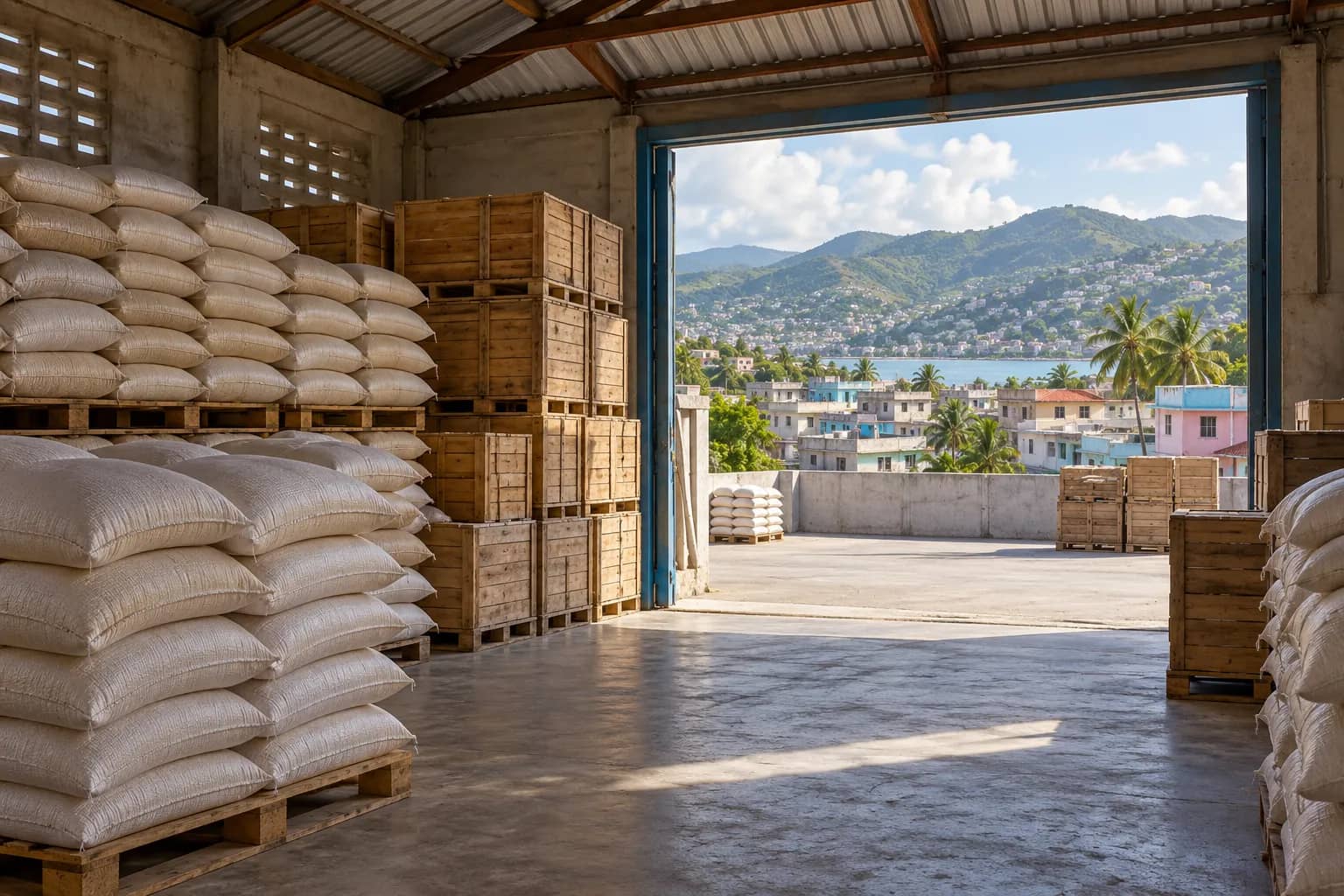
That distinction matters when assessing delivery. The plan labels a cold-chain credit facility as pipeline work and larger infrastructure partnerships backed by MIGA as pre-pipeline. Neither label means a completed warehouse, an operating cold-storage network or money already received by a farmer.
Its beneficiary figures also cannot simply be added together. A note explains that the 900,000 total includes adjustments to avoid double counting. Some project figures represent only incremental investments and beneficiaries within specified periods. The total is therefore an overall programme target, not the sum of every project number printed in the document.
Rural infrastructure is already part of the work
One existing component is the Integrated Rurban Development and Climate Resilience Project. Its official project page records approval on April 10, 2025, followed by signing and effectiveness on September 8 that year. Its remit includes unreliable water access and weak market connections, with irrigation, technical assistance and support for agricultural producers. The project predates this week's launch; the new announcement should not be read as its starting date.
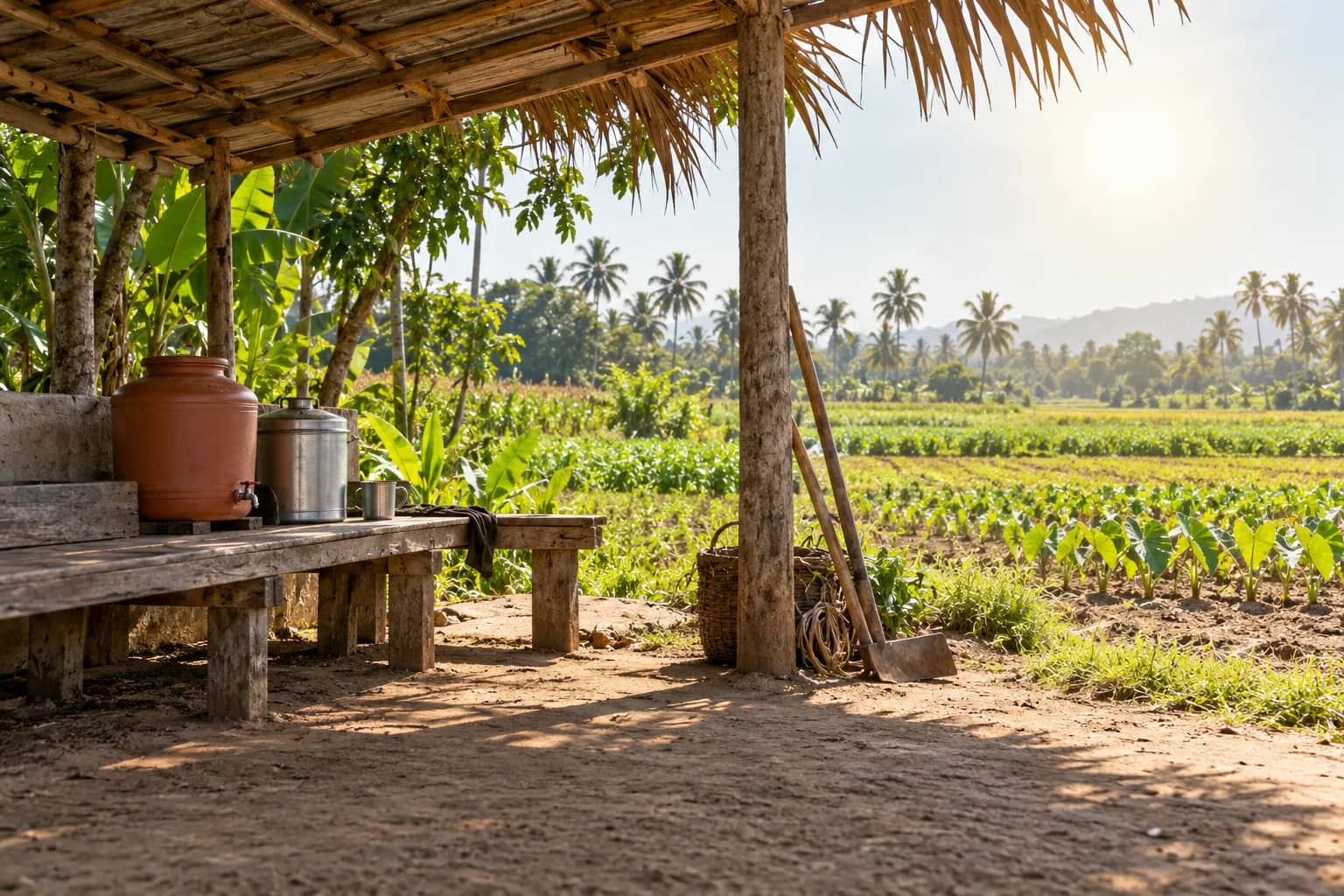
IFAD's Smallholder Agribusiness and Resilience Project description gives another view of the work already in place. The project aims to assist about 40,000 smallholder families in six dry-zone districts, including Anuradhapura and Vavuniya. Its emphasis is on handling climate risks while connecting producers to commercial agricultural activity.
The range of possible activities includes dairy, goats, chilli, fruit and vegetables, alongside specialised crops such as aloe vera and moringa. IFAD also describes support for producer organisations and watershed associations, as well as enterprise management for women and young people. These are the project's stated activities and intended beneficiaries, not evidence that every household has already received support.
There has also been recent implementation monitoring. An October 28 update from the Sri Lankan project says an IFAD supervision mission ran from October 12 to 22. Field visits covered five districts and examined irrigation tanks, access roads, farming practices and producer partnerships.
The delegation also met farmers, women entrepreneurs, youth and community organisations. The update describes what was inspected, but provides no measured increase in incomes or yields. It therefore cannot establish that the broader AgriConnect objectives have been achieved.
Connecting farms to buyers
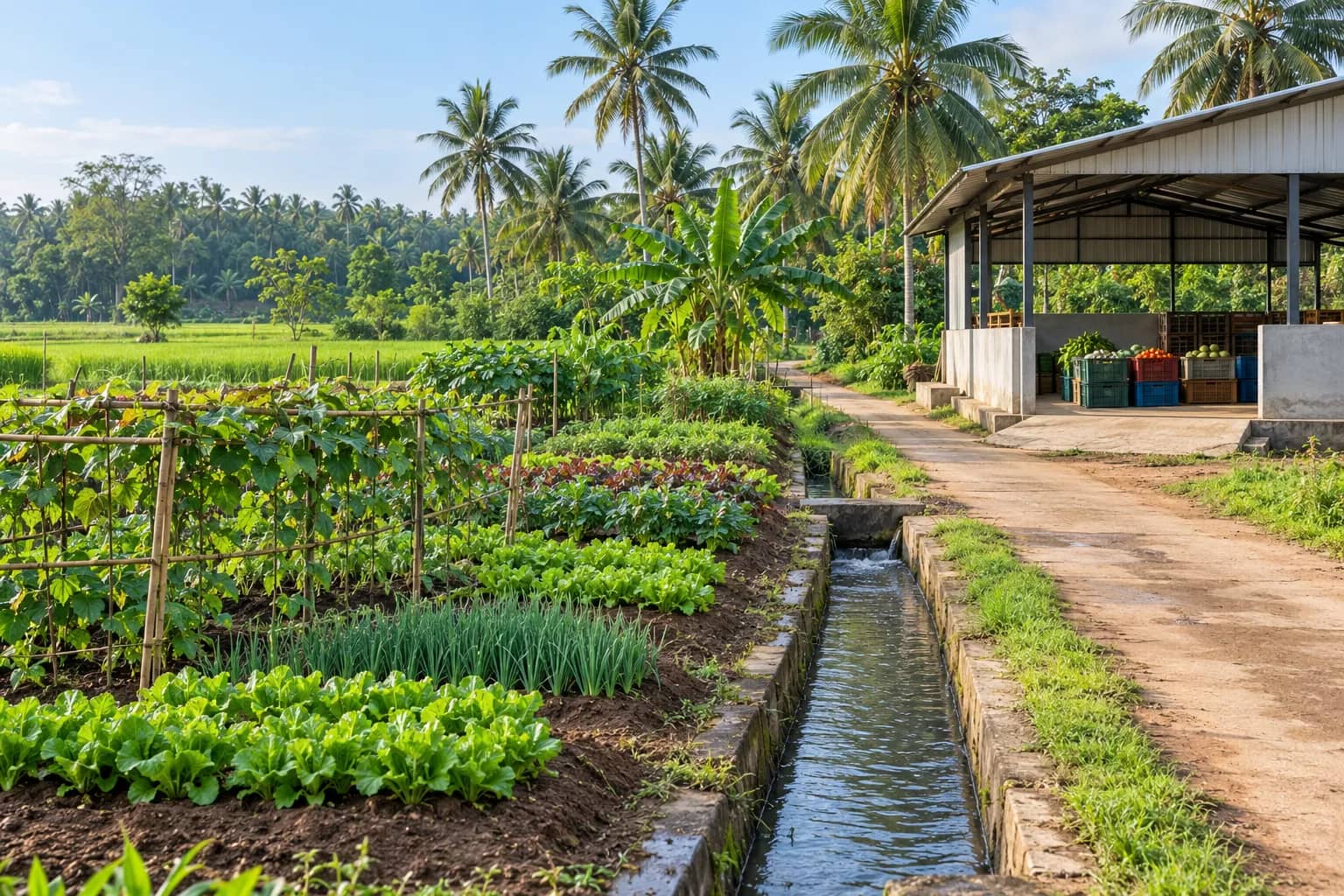
The global AgriConnect framework explains the approach behind the country plan. It supports farmer organisations and productive alliances that link smallholders with buyers, technology and markets. Digital tools include weather information, advisory services and farmer registries, while physical investment covers irrigation, transport and electricity for storage and processing.
Those interventions address different stages between producing food and selling it. A farm may need water and weather information, while its produce needs a route to a buyer and suitable storage. AgriConnect's stated approach links these functions instead of treating production as the only constraint. For Sri Lanka, the next test is implementation of the country plan, not the scale of its announced targets alone.
Related coverage: ILO heat-stress assessment for Sri Lanka and Maldives and ADB's financing outlook for 2027 to 2029.