Haiti could have 6.35 million people facing acute food insecurity from March to June 2027, the World Food Programme warned on 28 October. Its latest release describes a worsening outlook driven by violence, displacement and weak harvests. The projected total is more than half a million above the comparable period in 2026, not a count of people already experiencing those conditions today.
The IPC assessment published on 28 October separates that forecast from the current September 2026 to February 2027 period. For the current period, it estimates 5.94 million people in Crisis or worse, including around 1.8 million in Emergency. The analysis covers 11.2 million people, with 53 percent in Crisis or worse now and 57 percent projected for March to June.
Different periods, different measures of need
Current Emergency conditions are concentrated in displacement sites, disadvantaged neighbourhoods of the capital and several provincial areas. Ten of the 30 analysis units are classified in Emergency. The report says insecurity disrupts farms, employment and market access, while rising transport costs and weak purchasing power make essential purchases harder for households already under pressure.
For March to June, the IPC expects nearly two million people to face Emergency conditions. Its forecast also assumes humanitarian assistance will continue in several areas but with smaller rations and less geographical coverage. Those are planning assumptions for the coming period. They should not be read as evidence that the projected deterioration has already happened.
The labels describe severity, not simply whether a household received a food parcel. Under the IPC reference scale, Crisis can include families meeting minimum food needs only by using up essential livelihood assets. Emergency involves larger food gaps or emergency measures such as asset liquidation. Famine is a separate area-level classification with additional requirements concerning food deprivation, malnutrition and deaths. An Emergency classification is therefore not interchangeable with a declaration of famine.
Farming and imports leave households exposed
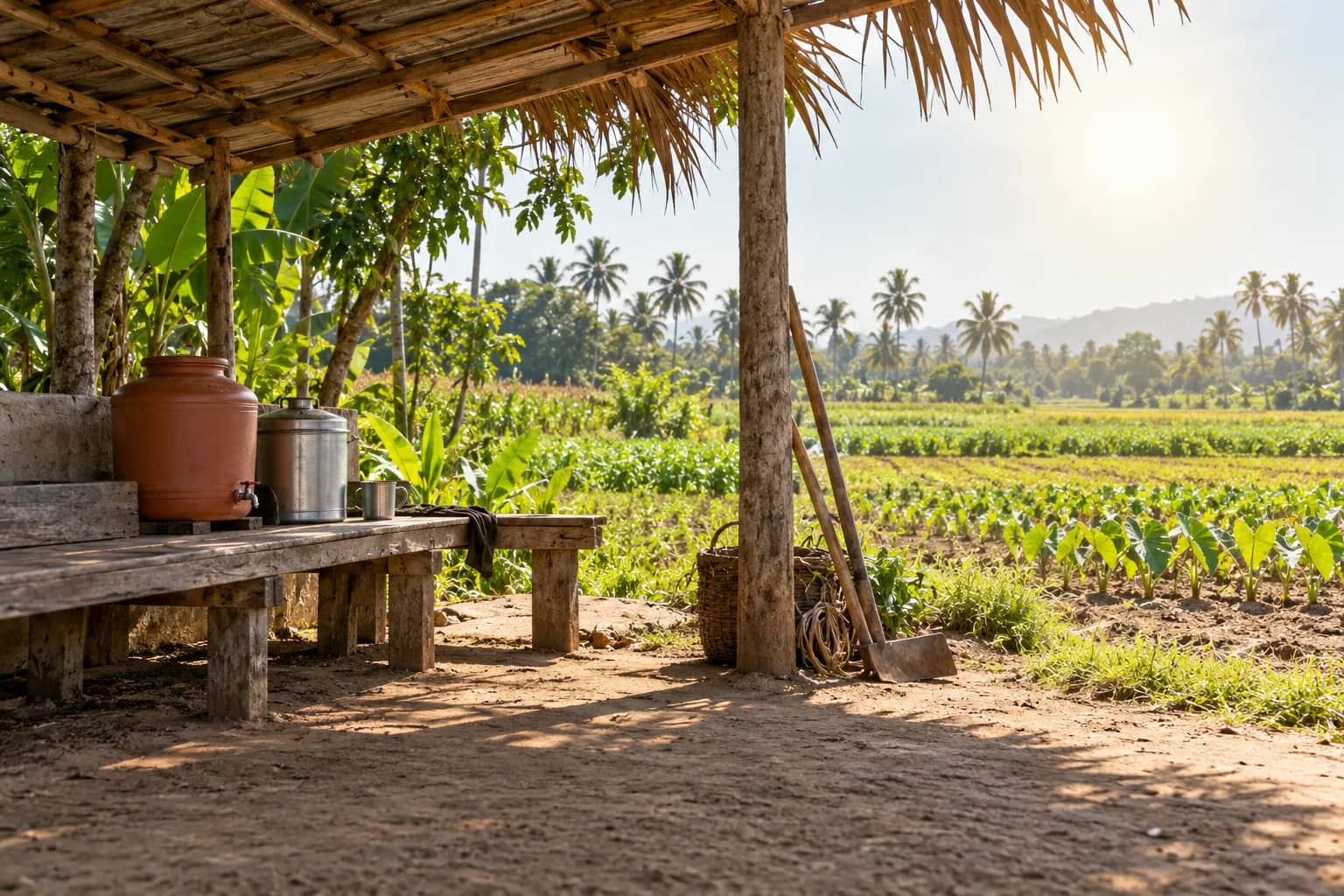
Earlier agricultural evidence helps explain why the warning extends beyond urban displacement. In its 29 September country brief, the Food and Agriculture Organization expected below-average output from the main spring maize and paddy crops. It described insecurity in Artibonite, higher production costs and abandoned farmland alongside uneven rain and heat that had disrupted planting and crop growth.
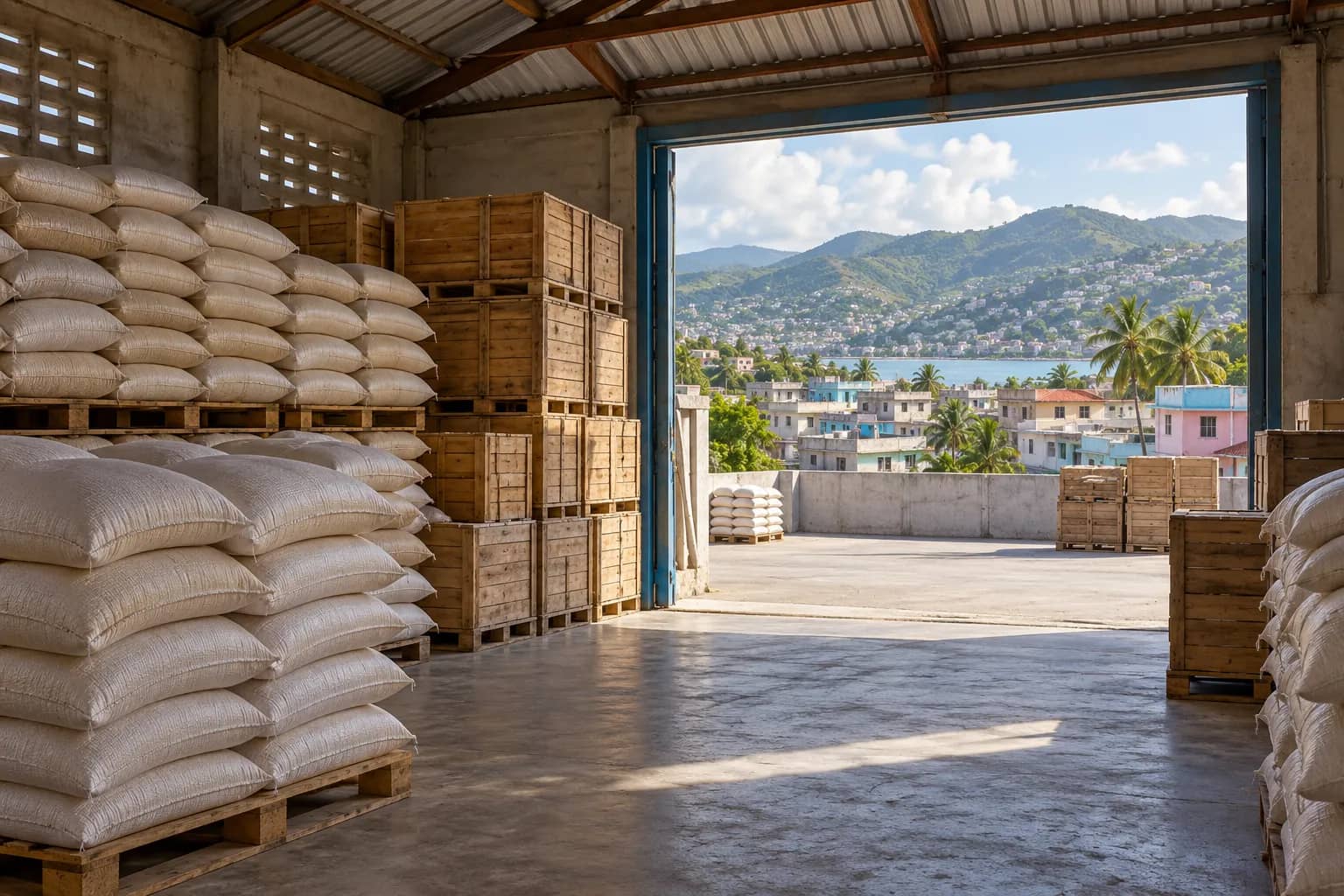
That September brief also put Haiti's dependence on imported cereals at about 70 percent of consumption needs. It forecast cereal import requirements above one million tonnes for the July 2026 to June 2027 marketing year, around 15 percent above the five-year average. These are import requirements and forecasts, not confirmed deliveries or a claim that imports alone can resolve household hunger.
FAO reported that food prices remained above their five-year average even after annual food inflation eased to 19 percent in July. Slower inflation did not mean food had become cheap. This is dated background to the October assessment, rather than a new October price reading.
Assistance and nutrition are separate tests
A separate UNICEF statement on 17 September estimated that 253,725 children aged six to 59 months could suffer acute malnutrition between June 2026 and May 2027. It explicitly cautioned that this was not the number affected simultaneously on publication day. Nutrition projections use their own assessment periods and classifications, so they cannot simply be added to the October hunger total.
The agencies called for community screening, timely treatment and nutrition supplies, alongside safe water, sanitation and access to care. It also identified pregnant and breastfeeding women as needing nutrition support. The response therefore concerns access to essential services as well as the availability of food, rather than food distribution alone.
WFP reports assisting 2.6 million Haitians this year with food, cash, school meals and other programmes. It says 74 percent of school meals use locally grown food. People assisted is an operational measure, not proof that their underlying food insecurity has ended.
WFP needs $78 million to sustain operations through March. It also provides cash before shocks and repairs water infrastructure and rural roads. The forecast describes future needs, rather than an inevitable outcome; assistance is intended to limit that deterioration.
Related coverage: WMO's El Niño warning and early action, and the latest food insecurity assessment in DR Congo.