Sector 92 Families Seek Fix for Repeated Power Cuts
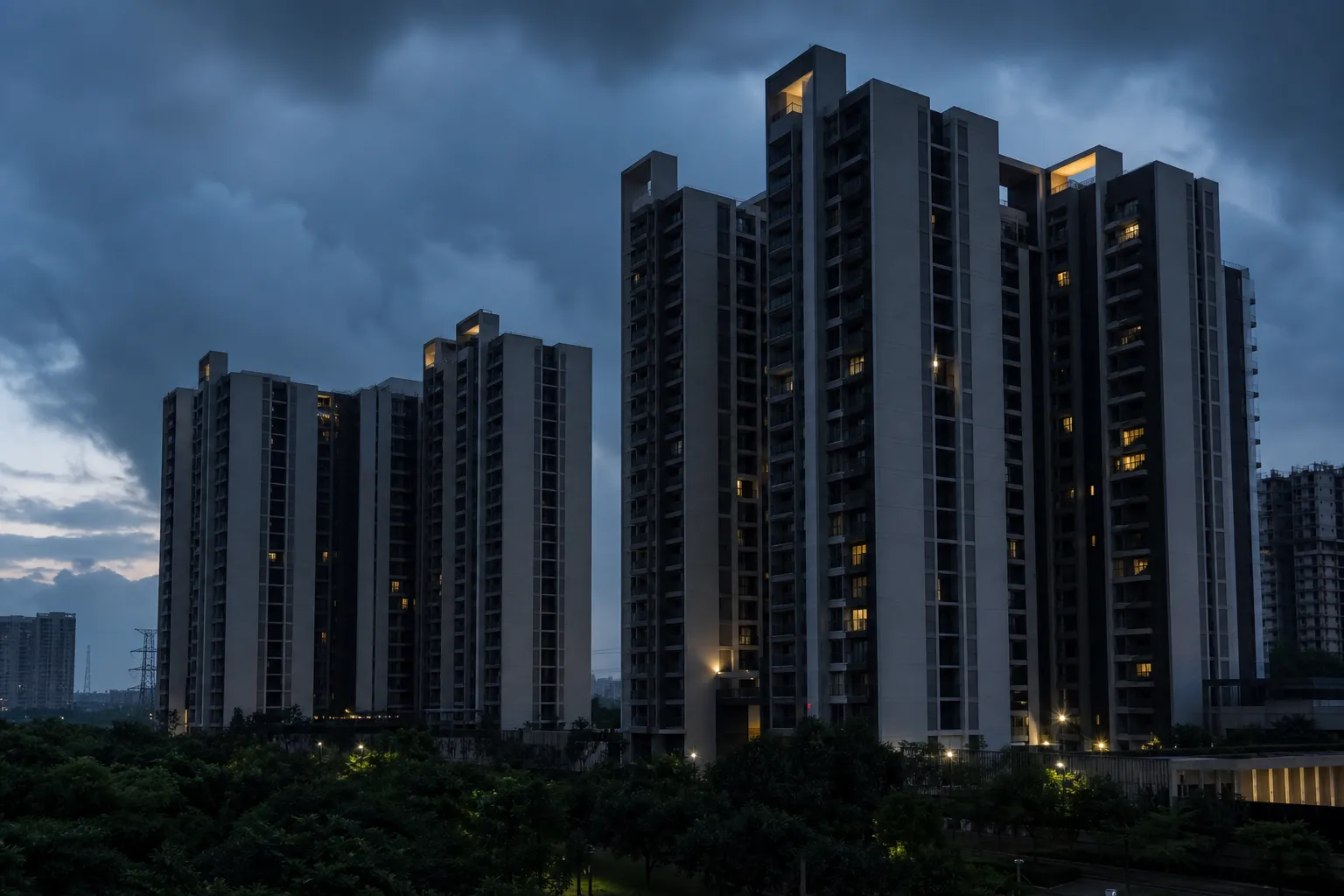
GURUGRAM: Repeated electricity interruptions are again testing residents of Rising Homes in Sector 92, where families say unannounced cuts and recurring faults have made the supply unreliable despite years of requests for stronger local infrastructure.
The society currently receives power through an 11kV link connected to the Garhi Harsaru side. The length of that supply route leaves multiple points at which a cable or feeder fault can interrupt service. Residents say the result is not always a brief flicker: lifts, water pumps and household routines can remain dependent on diesel backup while repair teams locate and isolate the problem.
A dedicated 33kV switching station has been proposed to improve the arrangement. Land was identified for the facility and funds were deposited earlier, according to the documented project status, but residents say the expected relief has not arrived. The pending station is meant to connect the society more robustly with the higher-capacity network serving the new sectors.
That distinction matters in a high-rise cluster. Electricity is not limited to lights and air-conditioners; it runs elevators, pressurised water systems, fire-safety equipment, access controls and sewage pumps. Backup generators can bridge a short interruption, but prolonged or frequent use raises maintenance charges, consumes diesel and adds noise and local emissions.
The resident complaint should be tested against feeder-level outage records. A useful response from the distribution utility would identify how many interruptions occurred, their duration, whether the fault was inside the society or on the external network, and what temporary reinforcement is possible before the switching station is commissioned. Without that breakdown, residents and agencies can keep trading broad claims without locating the weakest point.
Planned shutdowns also need advance communication. A message that gives the likely start time, affected pocket and restoration estimate lets families charge essential devices, manage lift use and store enough water. Unplanned faults cannot be forecast, but the utility can still provide a credible update once a field team has assessed them.
Residents, for their part, need transparent data on generator use and any power-related charges collected by the maintenance agency. External supply failure and internal distribution problems should be recorded separately so that responsibility does not become blurred between the discom, developer and facility manager.
Sector 92 is no longer a distant construction fringe; it is a densely occupied residential zone. Its power system must now be judged by urban-service standards, not by whether supply is eventually restored after every breakdown. The immediate ask is dependable fault response. The durable answer is to complete the promised switching infrastructure with a public, realistic timeline.
Sources and reporting
Based on complaints from Rising Homes residents and the documented status of the proposed switching station, checked on 1 August 2026.
Related Stories

Mayor Announces Stricter MCG Drive Against Stray Cattle

Court Stays Further Eviction at Baba Balak Nath Temple Complex
HRERA Orders Rs 19.28 Lakh for Delayed Sector 82 Flat Possession

STF Arrests Agra Man With Six Country-Made Pistols in Sohna
FDA and Police Seize Codeine Syrup, Alprazolam in Sohna Raid