
Sarnath Inscribed on the UNESCO World Heritage List
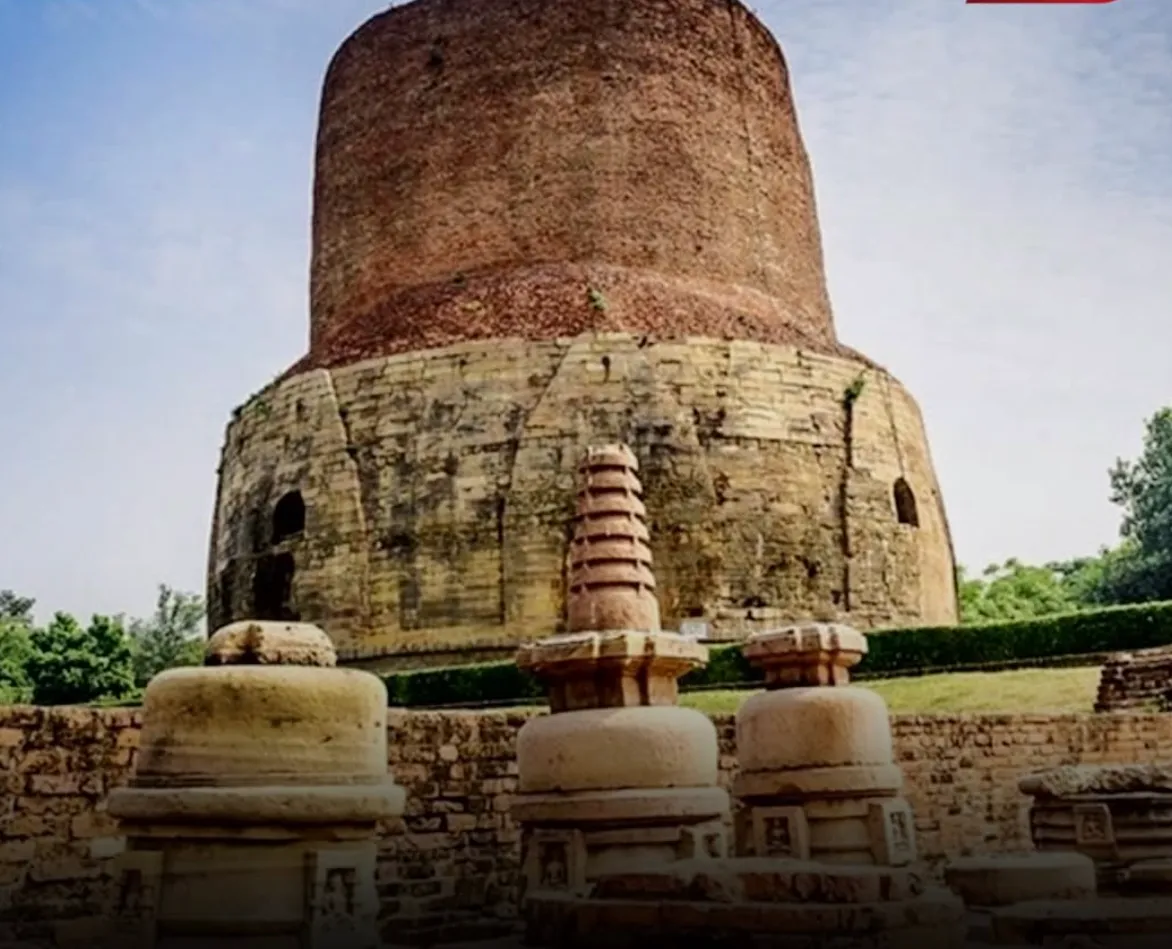
VARANASI, INDIA — In a historic victory for India’s cultural legacy, the ancient site of Sarnath has been officially inscribed on the UNESCO World Heritage List during the 48th Session of the World Heritage Committee in Busan, South Korea.
The decision marks Sarnath as India’s 45th World Heritage Site, placing Varanasi’s sacred Buddhist jewel on the highest pedestal of international heritage protection.
Cradle of Buddhism and Universal Wisdom
Located roughly 10 kilometers from central Varanasi, Sarnath holds a paramount position in world history. It is the sacred site where Gautama Buddha delivered his first sermon (Dharmachakra Pravartana or "Turning of the Wheel of Law") to his first five disciples in 6th century BCE.
This historic event established the core principles of the Four Noble Truths, the Noble Eightfold Path, and led to the foundation of the global Buddhist Sangha.
Key Components Inscribed Under UNESCO Heritage Status
The serial property recognized by UNESCO encompasses two primary archaeological components:
Archaeological Remains of Sarnath: Incorporating the majestic Dhamek Stupa, Dharmarajika Stupa, ancient vifaras (monasteries), and the Ashokan Pillar site.
Chaukhandi Stupa: The imposing 5th-century terracotta and brick stupa marking the spot where Buddha first met his initial disciples upon arriving in Sarnath.
Birthplace of the National Emblem: Sarnath is the site where the famous 3rd-century BCE Lion Capital of Ashoka was excavated in 1905, later chosen as the official National Emblem of independent India.
Boosting Global Pilgrimage and Sustainable Tourism
The milestone designation elevates Sarnath alongside the Mahabodhi Temple at Bodh Gaya and Lumbini in Nepal as a globally safeguarded Buddhist pilgrimage destination.
Authorities from the Archaeological Survey of India (ASI) and Uttar Pradesh Tourism expect a significant surge in international travelers—particularly from Southeast Asian nations such as Japan, Thailand, Sri Lanka, and South Korea—giving a boost to Varanasi's local hospitality, transport, and cultural economy.
Related Stories

Ramnagar Constable’s WhatsApp Resignation Withdrawn After ACP Counselling

Municipal Commissioner Inspects Jangambadi Ward 89 Sewer Overflow and Damaged Lanes

Civic Body Invites Tenders for ₹13 Crore Drainage Works in Newly Extended Areas

Mirzamurad Police Arrest Mother After Probe Finds Role in Stepdaughter Assault Case

Sigra Police Arrest Man Over Alleged ₹6 Lakh Fake BHU Assistant Professor Letter
