Vice-Chancellor Highlights Lifelong Sadhana Devoted to Sant Literature
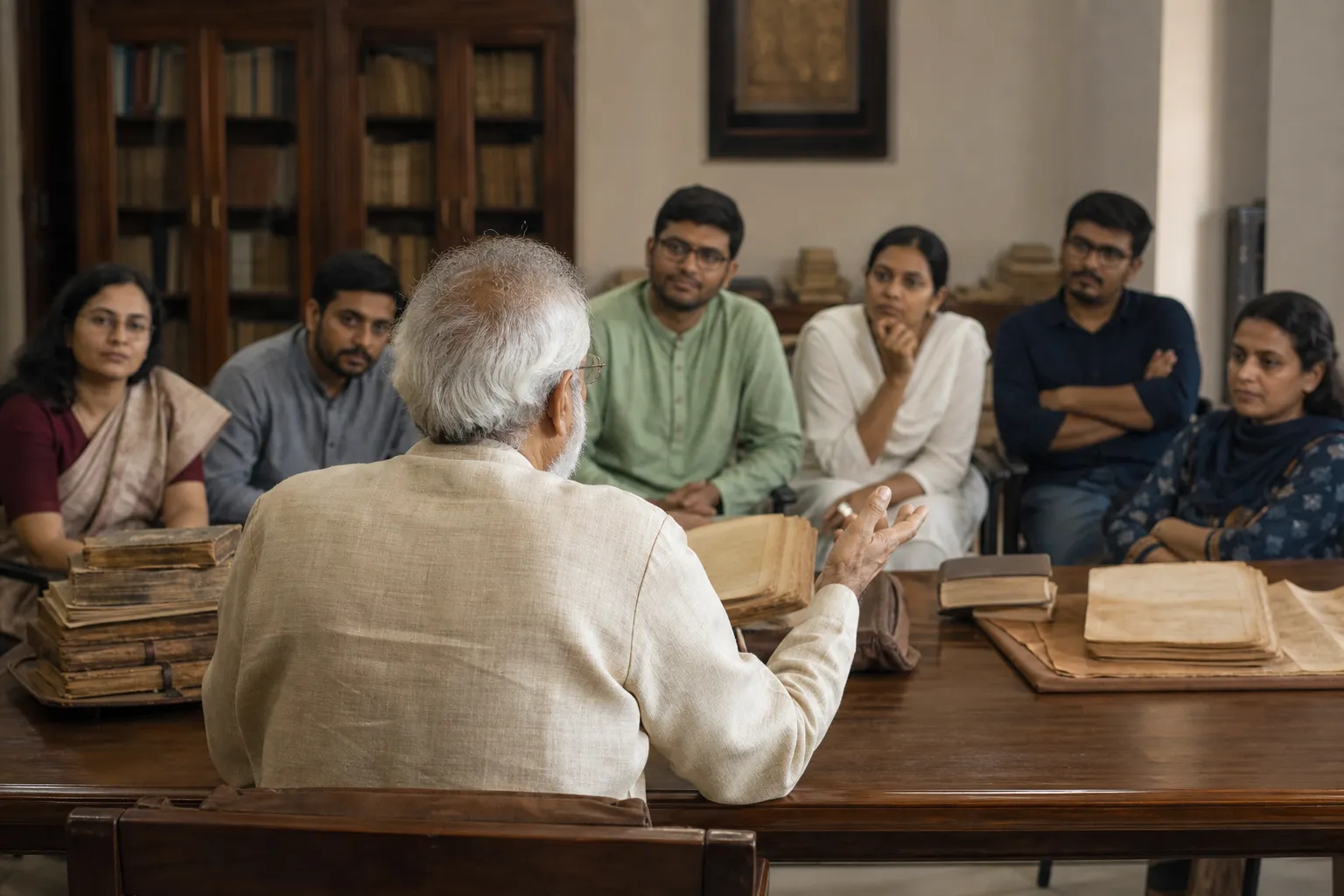
Varanasi, July 26, 2026: A university Vice-Chancellor reflected on an Acharya’s lifelong sadhana and dedication to the study and preservation of Sant literature.
The address emphasised the importance of sustained scholarship in understanding the devotional, philosophical and social traditions represented in Sant writing.
The programme also drew attention to the role of universities and scholars in preserving manuscripts, supporting research and introducing younger readers to India’s literary heritage. Names not included in the confirmed information have not been inferred.
Sant literature includes compositions associated with diverse poet-saints and communities. Many works use accessible language to address ethical conduct, spiritual experience, equality and the relationship between the individual and the divine. The field cannot be reduced to a single text or doctrine. Its strength lies partly in the conversation between written manuscripts, oral performance, commentary and lived practice.
Describing scholarship as sadhana recognises discipline, patience and continuity. A researcher may spend years locating versions of a text, comparing readings, understanding regional vocabulary and studying how verses are sung or interpreted. That effort requires both respect for tradition and critical method. Reverence alone cannot resolve questions of authorship or dating, while analysis without cultural understanding can miss the meaning a community attaches to a work.
Universities have an important role in preserving this heritage. Manuscripts need cataloguing, conservation and careful digitisation. Audio recordings of oral traditions should include consent and accurate information about performers and locations. Transcriptions and translations should distinguish the original text from an editor’s interpretation so future researchers can review the evidence.
Sant literature also offers opportunities for interdisciplinary study. Historians, linguists, music scholars, philosophers and sociologists may ask different questions of the same composition. Students can learn how language changes across time, how devotional ideas travel and how communities remember influential figures. Such study is strongest when disagreement is welcomed and sources are cited transparently.
Public programmes can connect specialist research with readers who encounter Sant poetry through family recitation, music or local festivals. Organisers should avoid turning a complex tradition into slogans. They can instead explain the Acharya’s method, publications and areas of study once those details are verified in the official record.
The Vice-Chancellor’s emphasis on lifelong dedication is a reminder that cultural preservation depends on individuals as well as institutions. Mentoring younger scholars, building reliable archives and making research accessible can extend one person’s contribution across generations.
The confirmed account is that the university recognised an Acharya’s sustained sadhana devoted to Sant literature and that the Vice-Chancellor highlighted its significance. Names of works, awards or quoted remarks should be added only from a verified programme note. The broader value of the event lies in encouraging rigorous, respectful engagement with a literary tradition that continues to shape the intellectual and cultural life of the region.
Related Stories

Railways Orders Weekly Puja Special 09465 via Varanasi Through November

Hindi Diwas Marked Across BHU, Sanskrit University and Kashi Vidyapith
Lohta Police Register FIR After Bhitari Villager Alleges Hostage Beating

Baragaon Police Book Named Youths After Kazisaray Tea-Stall Assault and ₹1,900 Loot

Mayor Announces Stricter MCG Drive Against Stray Cattle