Unidentified Man’s Body Found in Waterlogged Spot Near Amra Hospital
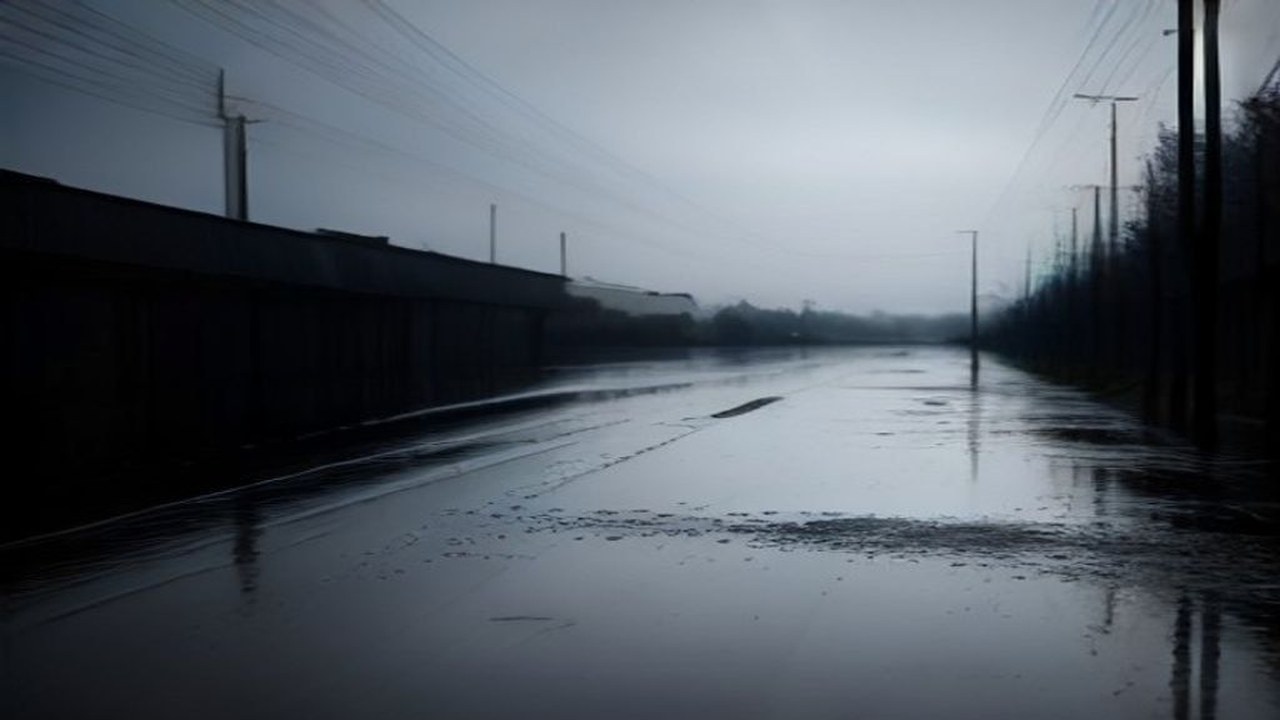
Rohaniya police moved an unidentified man, estimated around 35 years old, to the mortuary after residents found his body in a waterlogged patch near a private hospital at Amra in Chitaipur on Friday morning, 18 September 2026. Identity had not been established when early reports closed. Suspicion that he fell Thursday night and drowned remains unconfirmed and is treated here as suspicion only.
Locals linked the spot to a large pit and to deep waterlogging that has lingered since rains across Akhari, Amra and Awleshpur. Residents say grit dumped at low stretches was left in place, and people have been getting injured in flooded depressions. That civic context explains why standing water near the hospital approach drew a crowd Friday morning; it does not by itself prove how the man died. Keeping those two tracks separate matters: police handle identity and cause; municipal drainage is the longer background complaint from Akhari through Awleshpur.
Unconfirmed drowning suspicion should not harden into a declared verdict in a morning wrap. Until officers publish identity and medical findings, “unidentified man about 35” and “found in waterlogging” are the accurate phrases. Readers who live on that stretch already know how deep some pits stay after a wet spell, especially where grit piles narrow the usable shoulder.
Hospital approaches need clear footing for ambulances and walk-in patients. When a depression holds water for days after rain, the risk is not abstract. Friday’s discovery puts that risk in the hardest form — an unidentified body — without letting this desk invent a name or a finished cause.
For Rohaniya, Friday’s stamp is one unidentified body from Amra’s waterlogged patch and a mortuary transfer. For neighbours who flagged grit piles and flooded depressions, the civic line remains post-rain waterlogging on the Akhari–Amra–Awleshpur belt — recorded as local complaint context, not as a finished administrative charge sheet.
Mortuary transfers without a name leave families elsewhere scanning descriptions. Rohaniya’s Friday action — body from Amra’s waterlogged patch near the private hospital, identity open, drowning only a suspicion — is the whole stamp this desk can print. Civic waterlogging on the Akhari–Amra–Awleshpur belt stays in the copy as resident complaint context, not as a charge sheet against any named official.
Rohaniya station’s immediate steps — moving the body to the mortuary and treating identity as open — are the hard stamps. This desk will not invent a name, an FIR conclusion, or blame against named officials without a sourced suspension or charge. Waterlogging after September rain is a factual civic condition on that belt; cause of death awaits post-mortem language.
Amra–Chitaipur sits where hospital traffic and post-rain pools often share the same roadside edge. A body in standing water overnight is both a crime-scene preservation task and a civic drainage failure story.
Sources and reporting
/home/box/Desktop/vbatch19sep/06-basis.txt
Related Stories
BHU Opens Bharat Innovation Conclave 2.0 at Swatantrata Bhawan
GRP Cantt Arrests Woman With 72 Quarters of Alleged Illegal Liquor
NER to Pilot Mobile UTS General Tickets at Banaras and Four Stations
Varanasi Municipal Corporation Shifts Adampur Zone Office to Rajghat
Man Missing After Diving Into Varuna to Save Three Teenagers at Immersion