Rat Bite on Rajdhani Express Technician Raises Pest-Control Questions
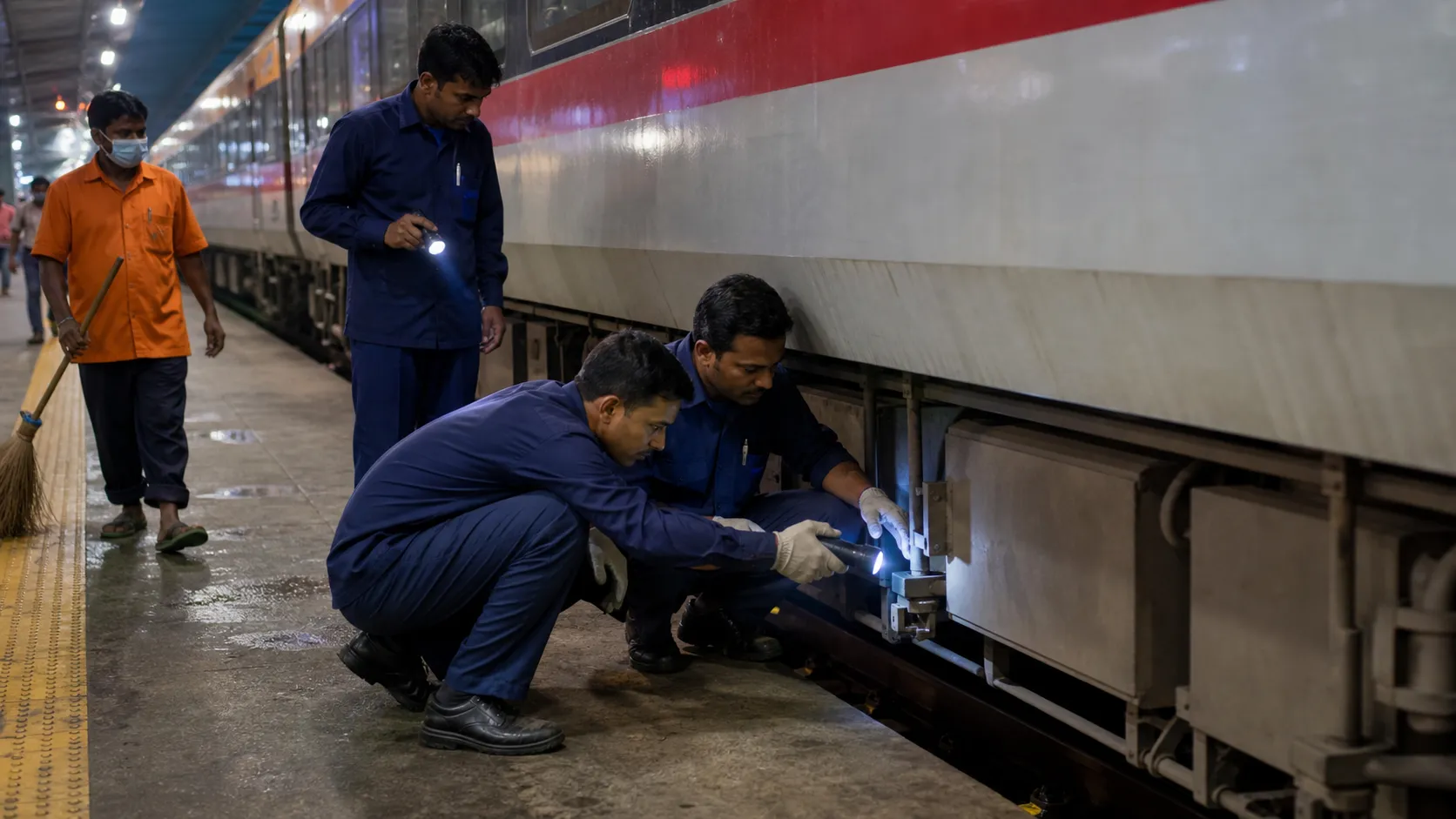
A railway technician working aboard the New Delhi-Dibrugarh Rajdhani Express was bitten by a rat during duty on Tuesday night, prompting medical assistance when the train reached Varanasi Cantt station. The employee was identified as Satyam Kumar, and the incident was reported at about 10:20 pm.
Railway staff arranged treatment after the train arrived in Varanasi. Details about the coach, the severity of the bite and whether the employee required further observation were not publicly available when this report was prepared. Those facts are important because any animal bite can require cleaning, medical assessment and follow-up based on the exposure.
The incident may sound unusual enough to become a joke online, but for onboard staff it is a workplace-safety issue. Technicians enter service areas, equipment spaces and corners that passengers rarely see. If rodents can reach those areas, the risk includes bites as well as damage to stored material, insulation or wiring. An inspection should therefore look beyond the single spot where the employee was injured.
Rodent control on a long-distance train is complicated by the way a rake moves through multiple stations, yards and catering points. Food waste, open storage, gaps around service fittings and poor cleaning at a maintenance base can each contribute. Treating one coach after an incident may remove the immediate problem, but identifying the entry and food source is what prevents recurrence.
The railway should record the bite as an occupational incident, confirm the medical protocol followed and inspect the affected rake before its next full trip. Pest-control work needs to be documented with the date, method and areas covered. Any chemical treatment must also be safe for passengers and staff, particularly in enclosed air-conditioned coaches.
Waste handling is the everyday part of the solution. Catering leftovers and passenger rubbish should be removed at designated points rather than allowed to collect overnight. Pantry and linen storage areas need sealed containers, while maintenance teams should report droppings, gnaw marks or nesting material without waiting for a bite.
Passengers also have a role, though responsibility for sanitation remains with the operator. Leaving food open below berths or pushing waste into inaccessible corners creates an easy food source. A clear complaint route helps travellers flag a sighting early instead of posting it only after the journey.
The premium status of the Rajdhani makes the episode more visible, but pest control should not depend on train category. A technician in a service compartment and a passenger in a sleeper coach deserve the same basic hygiene standard. The relevant measure is not whether rodents can be eliminated forever from a vast rail network; it is whether sightings trigger a fast, traceable response.
Satyam Kumar’s bite was met with medical arrangements at Varanasi, which was the necessary first action. The next one is quieter: inspect the rake, find the conditions that allowed the rodent aboard and close them before another employee or passenger is hurt.
Sources and reporting
Based on the railway incident reported on 5 August 2026. Technician Satyam Kumar was bitten at about 10:20 pm while on duty aboard the New Delhi-Dibrugarh Rajdhani Express; arrangements for treatment were made when the train reached Varanasi Cantt.
Related Stories
BHU: Below 4.0 CGPA Will Cost Hostel and Health Facilities
Sewer and Water Pipeline Work Starts in Four Wards Under CCTV Watch

BHU Issues 69-Page PhD Bulletin for About 1,500 Seats in Three Modes

Lolark Shashthi Draws Long Queues at Bhadaini’s Lolark Kund

Ganga Level Keeps Falling; Silt Clearing Starts as Boat Ban Holds