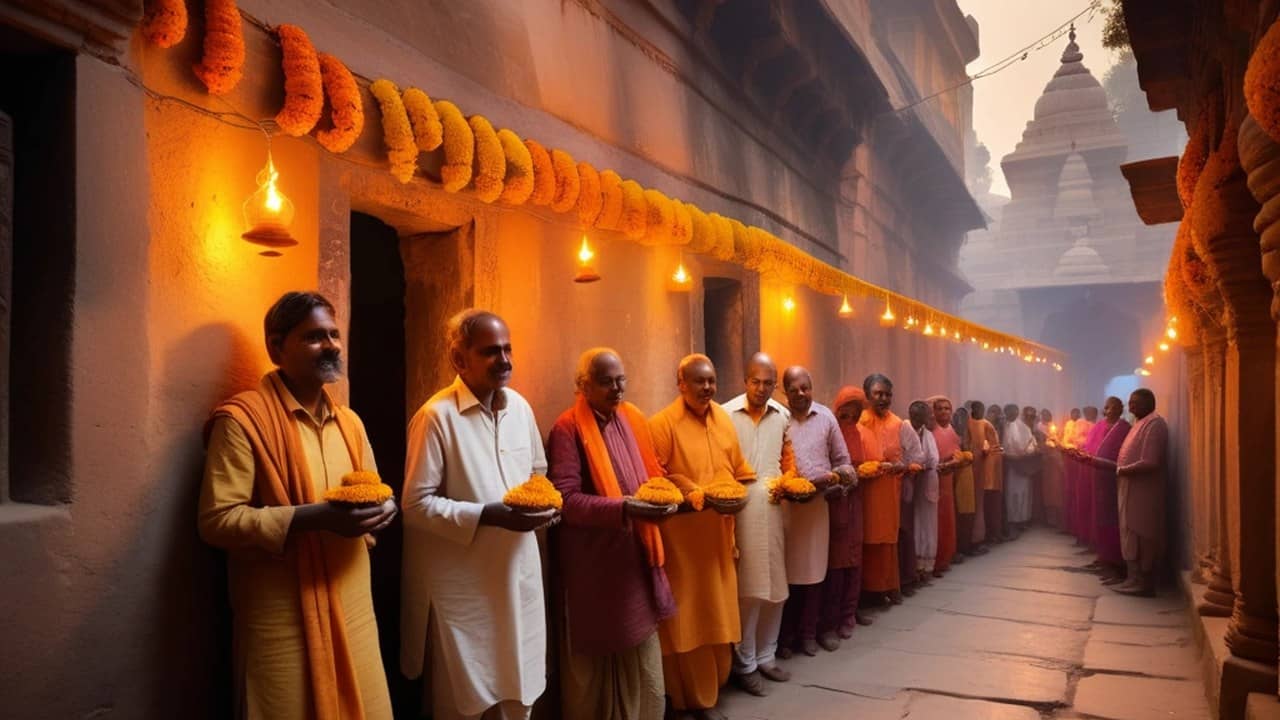
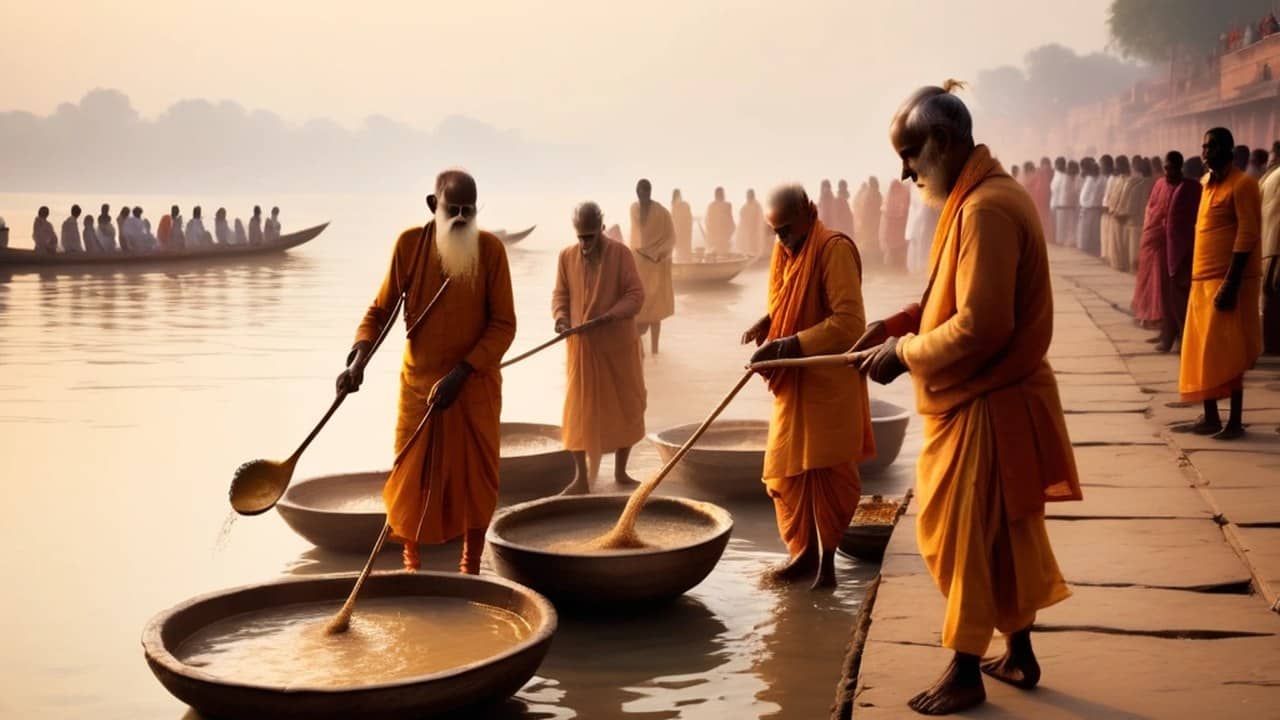
Sarva Pitru Amavasya, the last and most widely observed day of Pitru Paksha, falls on Saturday, 10 October. For families in Kashi it is the day the fortnight of offerings to ancestors closes, and the ghats and Pishach Mochan Kund are expected to be busy through the afternoon.
The fortnight opened with the Purnima shraddh on 26 September. By the panchang calculated for Varanasi, the Amavasya tithi begins around 9:35 PM on Friday and runs until about 9:21 PM on Saturday. Sunrise on Saturday is at about 5:54 AM and sunset at about 5:35 PM. Panchang tables differ by a few minutes from city to city, so families are usually told to confirm the exact minute with their own purohit.
The part of the day that matters for the ritual is the afternoon. Tarpan and pind daan are meant to be done in the Aparahna period, which for Varanasi runs from roughly 12:55 PM to 3:15 PM on Saturday. The Abhijit window, from about 11:21 AM to 12:08 PM, falls just before it. Tables made for Delhi give different clock times, about twenty minutes later, and should not be mixed with the Varanasi figures.
Sarva Pitru Amavasya is also called Mahalaya Amavasya or Pitru Visarjan. Its special place in the calendar is that it serves every ancestor at once. A family that does not know the death tithi of a grandparent, or that missed the right day earlier in the fortnight, is told by tradition to offer water, sesame and rice balls on this day instead.
Friday, 9 October, is Chaturdashi, the tithi that the panchang sets aside for those who died by accident, violence or in some sudden way. Pishach Mochan Kund in Lahurabir is where many such families go. The kund is named in the Kashi Khand as the place where souls stuck in an unquiet state are released, and it is the centre in Kashi for Tripindi shraddh, a longer rite for three generations of ancestors. Our earlier report on the opening of Pitru Paksha at Pishach Mochan noted more than 40,000 devotees at the kund on the first day.
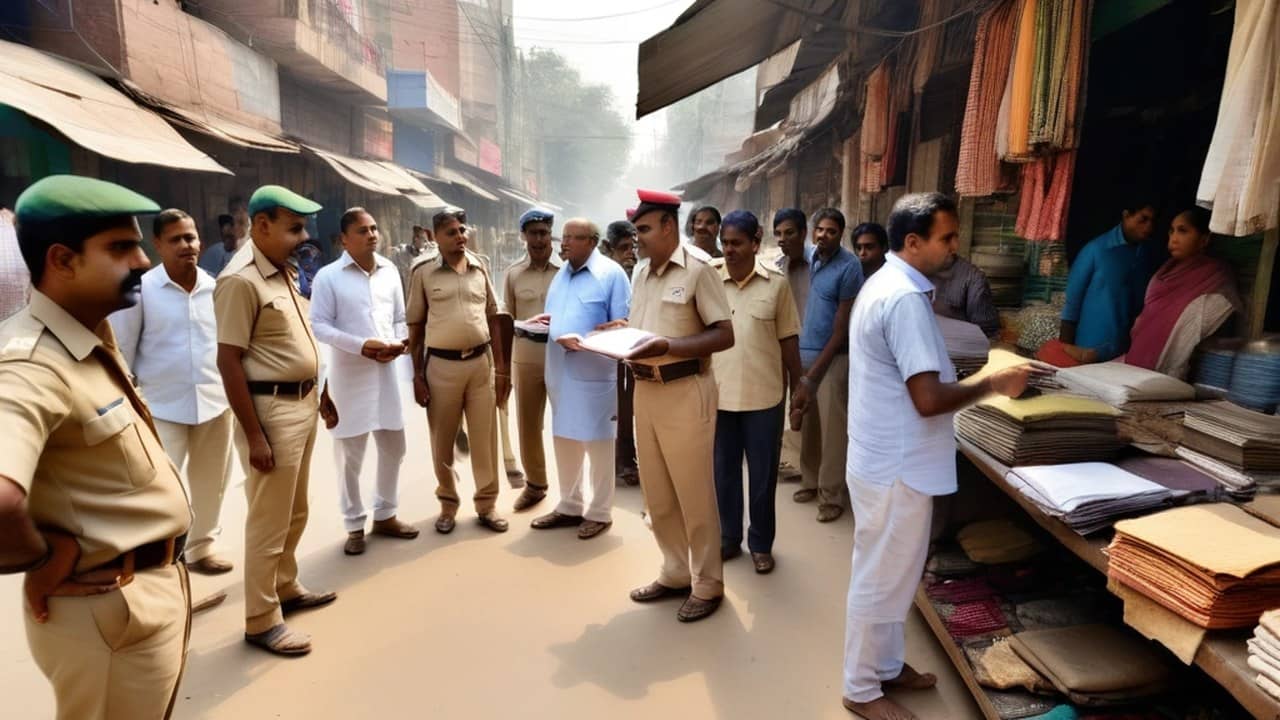
Ahead of the fortnight, the arrangements at the kund were reported to include CCTV cameras, lighting, railings and cleaning, as described in our account of the CCTV and facilities put in place for Pitru Paksha. No separate traffic order or police advisory for 10 October had been issued when this report was written. If one is announced, it will be published by the Police Commissionerate and the traffic police, and any diversion would most likely affect the approach roads to Pishach Mochan.
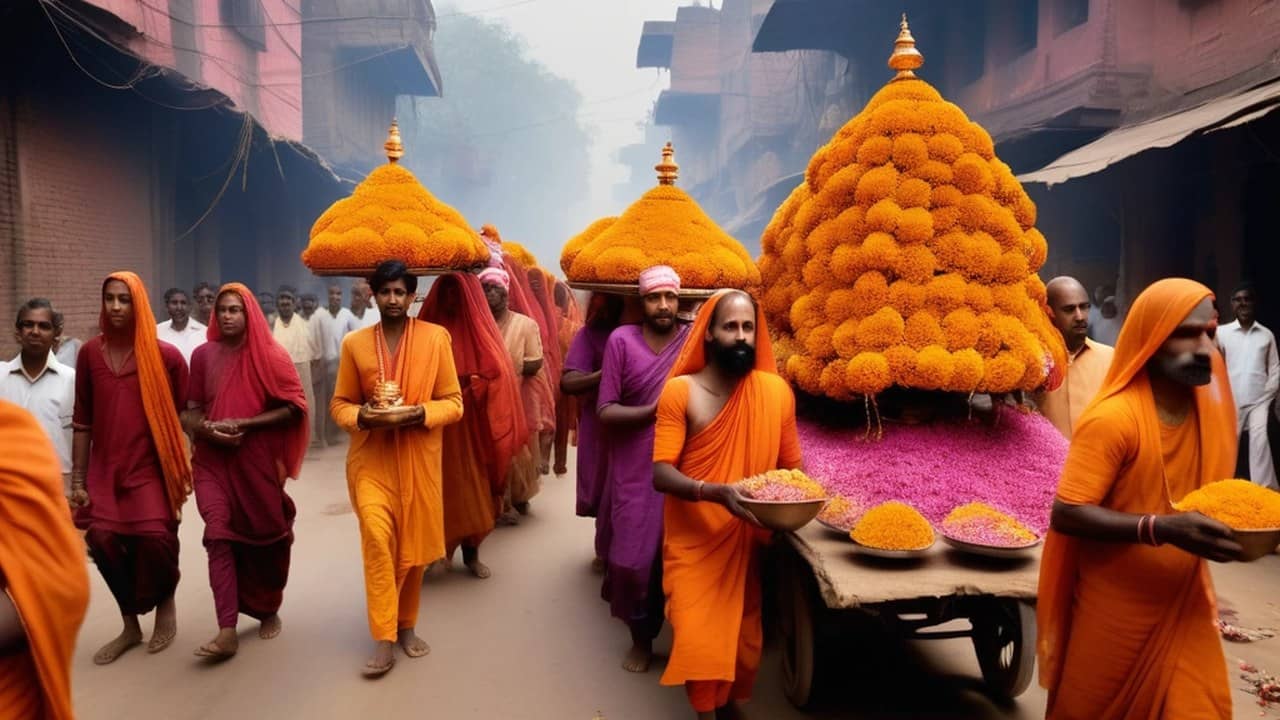
On the ghats the pattern is the same as on earlier days. Families sit in rows on the steps with a priest, offer water mixed with black sesame, make pindas of cooked rice and barley flour, and finish with a gift of food or clothes to a Brahmin. Dashashwamedh and the ghats near it draw people who live in the city, while visitors from outside who come for the day often go straight to the kund. Earlier in the fortnight, the ritual on Matru Navami for mothers and grandmothers drew its own crowd, which we covered in the report on pind daan at Dashashwamedh on Matru Navami.
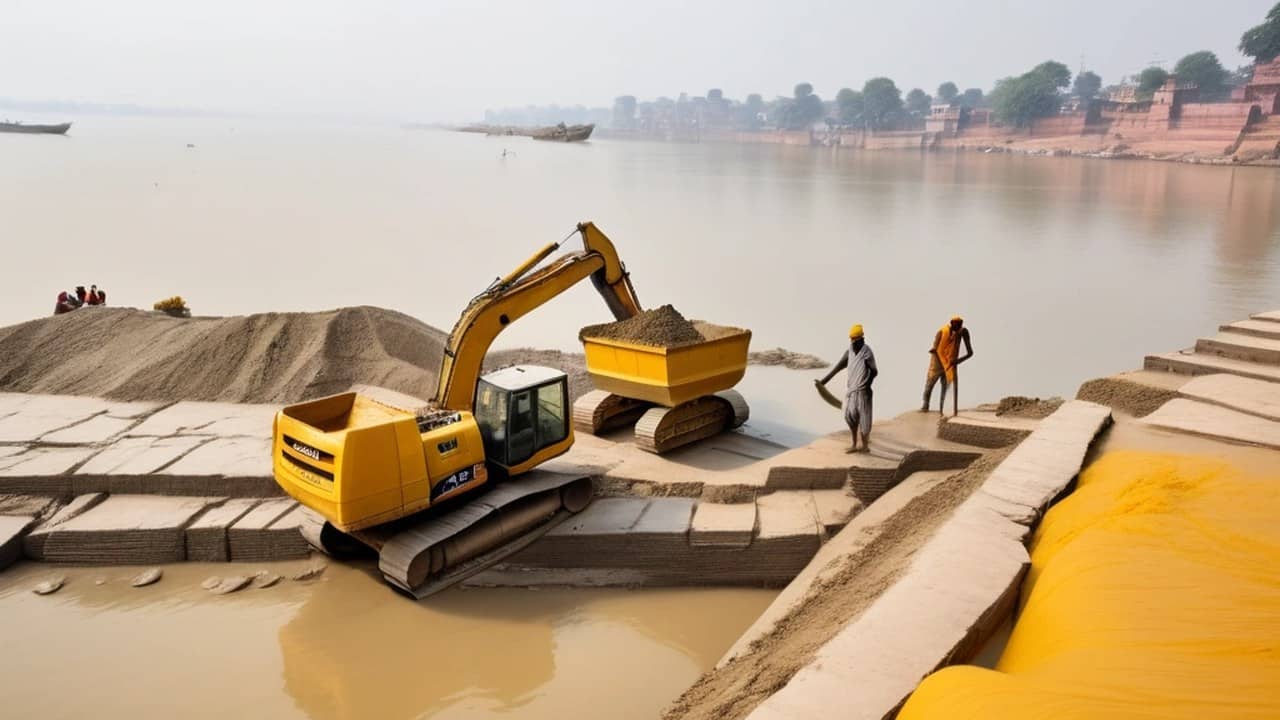
Anyone going to the ghats should keep the river level in mind. The Ganga has been falling, and silt has settled on several ghats after the water went down, which can make the lower steps slippery. Municipal teams are clearing it, but it is safest to wear footwear that grips and to avoid going down to the water's edge with small children or elderly relatives.
The day after the final shraddh, the city turns quickly to another season. Sunday, 11 October, marks the first day of Shardiya Navratri, and the panchang also lists the Matamaha shraddh for the maternal grandfather on that day. The city's Durga Puja plans are set out in our report on the 512 pandals and 725 idol sites in Varanasi.
For those who cannot travel to Kashi, the tradition allows the same offering of water and sesame at home or on a river bank on Amavasya. The panchang marks the end of the tithi at about 9:21 PM on Saturday, and with it Pitru Paksha closes for this year.