
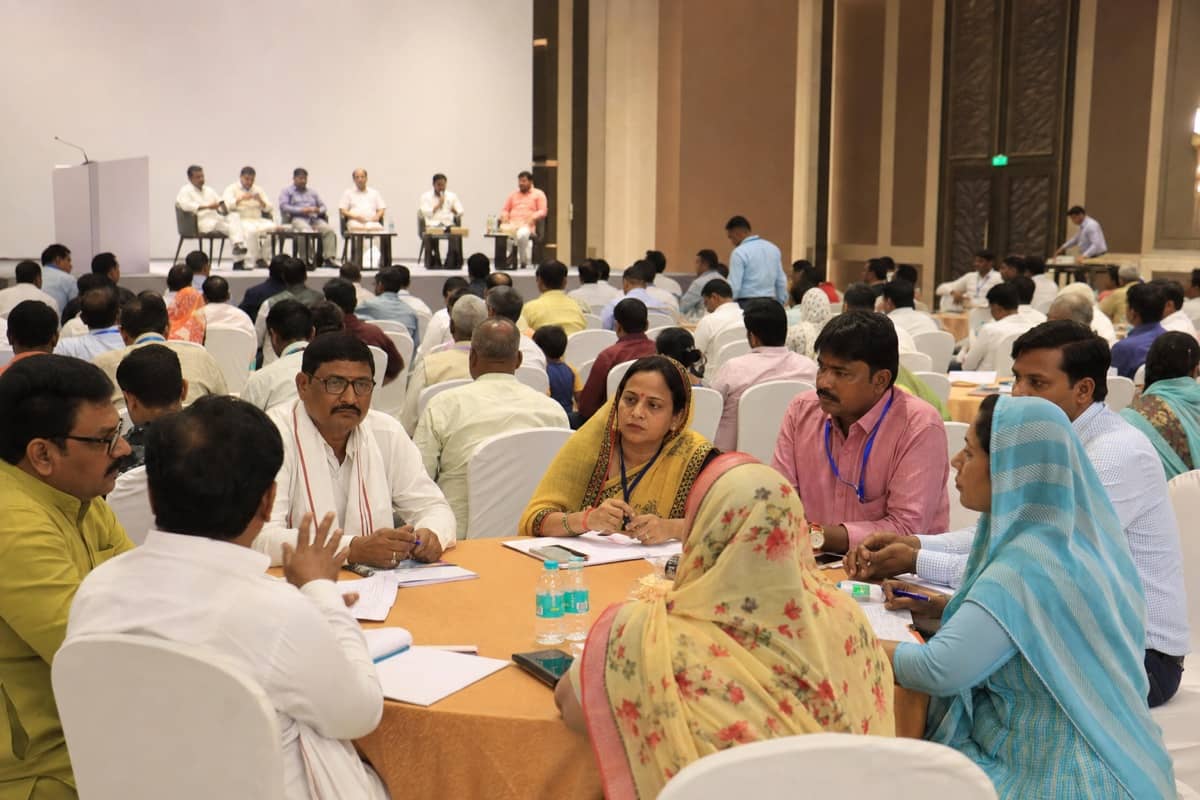
Varanasi: Around 500 gram pradhans, mukhiyas and panchayat representatives from four states attended a Panch Sammelan at the Rudraksh International Convention Centre on 16 July 2026, with discussions focused on village planning, employment and local accountability.
The conference was inaugurated by Uttar Pradesh Deputy Chief Minister Keshav Prasad Maurya and Union Minister of State for Rural Development Kamlesh Paswan. Participants included about 350 representatives from Uttar Pradesh, 75 from Bihar, 50 from Jharkhand and 25 from Uttarakhand.
A central subject was grassroots implementation of the Viksit Bharat—Guarantee for Rozgar and Ajeevika Mission (Gramin) Act, 2025, commonly shortened to the VB-G RAM G Act. The rural employment law took effect on 1 July 2026 and provides a statutory guarantee of up to 125 days of wage employment.
Sessions examined how gram panchayats can prepare evidence-based village development plans, identify durable public works and combine employment spending with other schemes. Representatives were encouraged to look beyond isolated annual projects and prepare longer-term plans based on local needs.
Such plans can include water conservation, rural roads, community assets and livelihood-supporting works, provided projects meet the law’s eligibility and record-keeping requirements. Convergence with other programmes is intended to prevent duplicated spending and make each asset more useful.
Paswan asked panchayat representatives to strengthen community participation and focus on assets that improve livelihoods and make villages more self-reliant. Maurya highlighted the role of elected rural bodies in carrying government programmes from policy documents to households.
The framework places greater responsibility on local institutions to identify work, maintain records and make decisions visible to residents. That also raises practical questions about staffing, digital systems, grievance handling and timely payment, especially in panchayats with limited administrative capacity.
Public meetings and social oversight will be central to credibility. Panchayat representatives will need to explain how work is selected, who receives employment and how completed assets are maintained after wage expenditure ends.
The Varanasi meeting was designed to prepare representatives from the four states for implementation and to share approaches to planning, convergence and transparency. The next test will be whether the guidance translates into workable village plans and reliable employment at the gram panchayat level.
Varanasi Panch Sammelan Brings 500 Rural Representatives Together
By Harsh Mehra2 min read
About the author
Harsh Mehra
Harsh Mehra reports for Dalimss News. 1208 stories on Dalimss News, most often in India.
Related Stories
India
Know India Programme: apply by October 26 for November visit

India
Gurugram art dates: canvas early-bird price ends tonight

India
TMC Varanasi jobs: walk-ins and October application deadlines
India
Gurugram reports 28,394 tonnes of bajra purchases
India
IIVR Varanasi courses: October deadlines and who can apply

India