
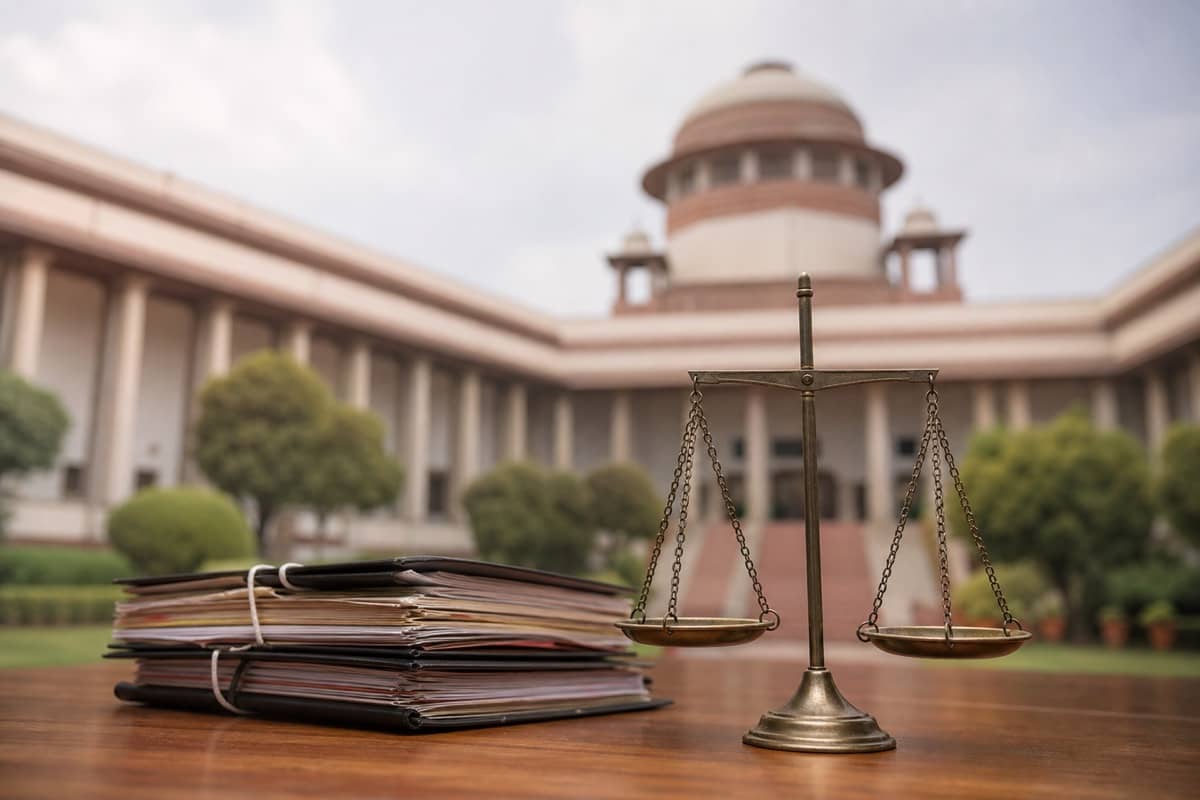
Varanasi: Hindu and Muslim parties in the Gyanvapi dispute have declined a Supreme Court-initiated opportunity for voluntary mediation, indicating that they want the pending legal questions decided through judicial proceedings.
The mediation option formed part of the Supreme Court Action for Mediated Adjudication and Disputes Harmonization Across Nation, or Samadhan Samaroh 2026. The initiative is linked to a special Lok Adalat scheduled from 21 to 23 August.
The court explored whether the Gyanvapi matter in Varanasi, along with temple-mosque disputes concerning Mathura and Sambhal, could be referred to a consensual process. Lawyers for parties on both sides indicated that mediation was not acceptable and that the cases should proceed on their legal merits.
Mediation requires the consent of the parties and cannot produce a binding settlement unless they agree. The refusal therefore returns attention to the pending suits, appeals and procedural questions before different courts.
The Supreme Court’s initiative offered a structured opportunity to explore settlement before the special Lok Adalat. By declining, the parties have chosen a slower but formally adjudicated path in which evidence, statutory interpretation and earlier orders can be tested through normal court procedure.
The Gyanvapi litigation includes disputes over worship rights, the legal character of the complex, surveys and the application of statutory protections governing places of worship. Different proceedings are at different stages, and a decision in one application does not by itself resolve every claim.
Some proceedings concern access or procedural questions rather than final ownership or religious character. Reporting must therefore distinguish an interim direction, an evidentiary order and a final judgment instead of treating every hearing as a resolution of the dispute.
The parties’ common preference for adjudication does not mean they agree on the underlying facts or law. It only means that both sides have declined this particular settlement route.
The refusal also does not prevent a future settlement if parties later consent and the court considers it legally permissible. For now, the listed cases will continue through their respective judicial stages.
Given the sensitivity of the dispute, court orders and verified filings remain the appropriate basis for reporting developments. Claims made by either side should not be presented as established findings unless accepted by a competent court.
Gyanvapi Parties Decline Supreme Court Mediation, Seek Legal Ruling
By Harsh Mehra2 min read
About the author
Harsh Mehra
Harsh Mehra reports for Dalimss News. 1208 stories on Dalimss News, most often in India.
Related Stories

India
Gurugram art dates: canvas early-bird price ends tonight
India
TMC Varanasi jobs: walk-ins and October application deadlines
India
Gurugram reports 28,394 tonnes of bajra purchases
India
IIVR Varanasi courses: October deadlines and who can apply

India
MG Windsor Indulge at Rs 17,99,800: check the Pro alternative

India