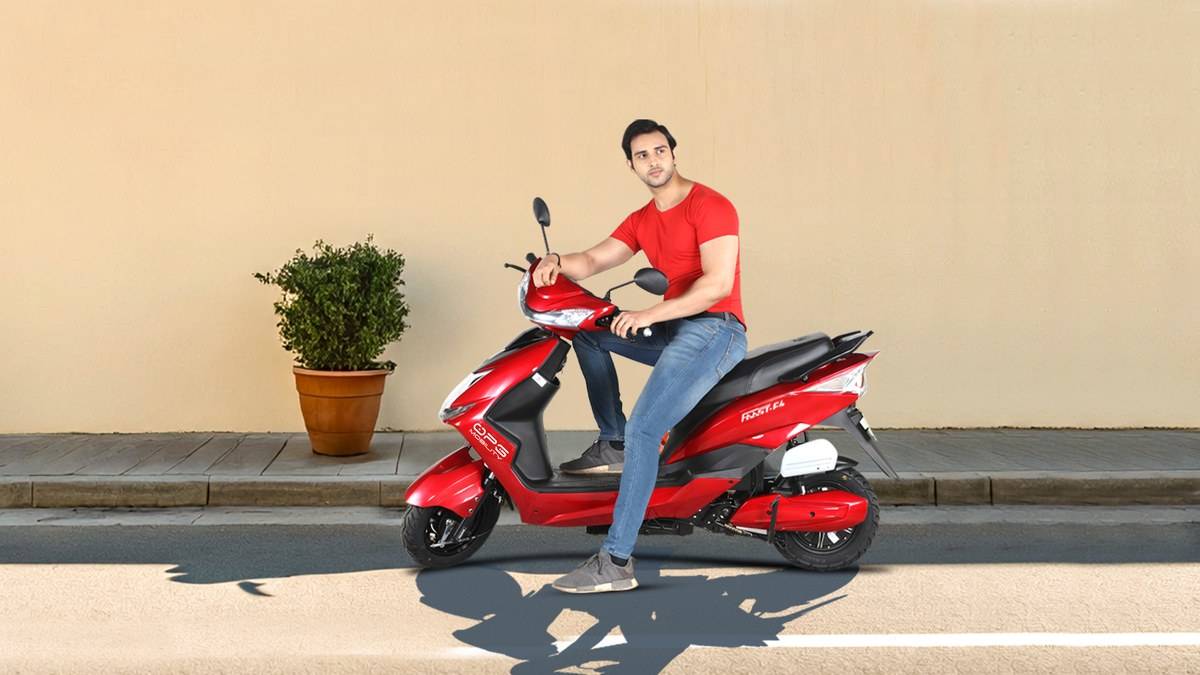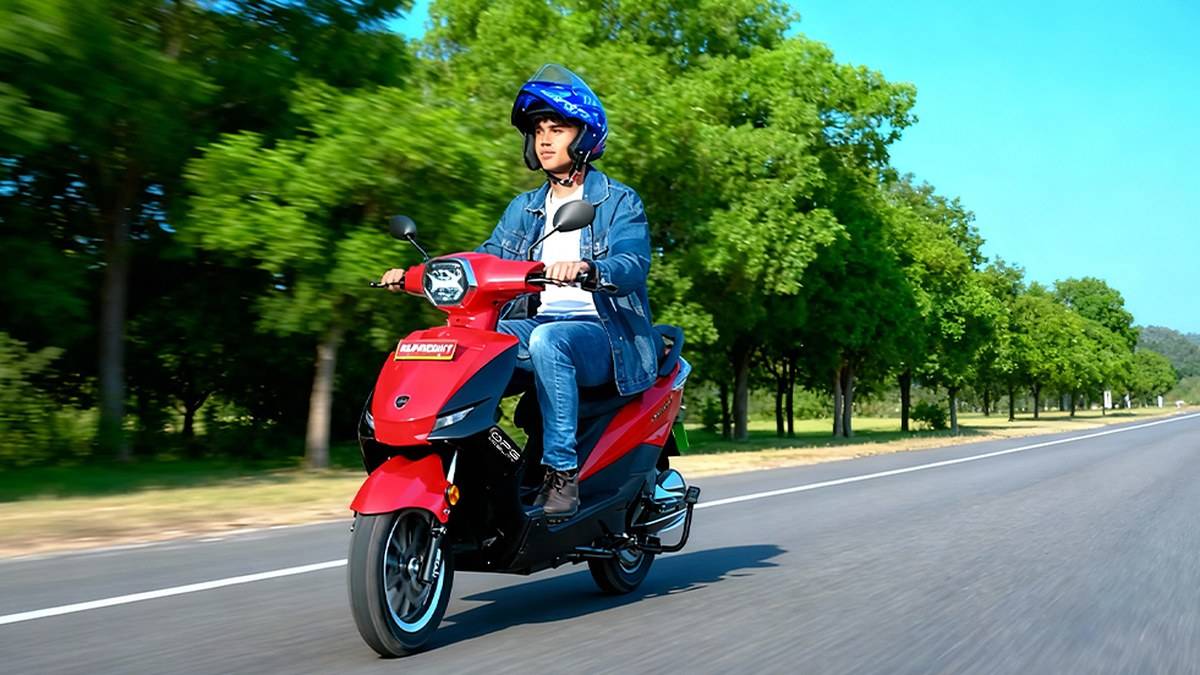
NEW DELHI: OPG Mobility's Freedum LI page lists Freedum LI Plus at Rs 72,324 with the label 2 Years, and Rs 74,676 with the label 3 Years. Both are stated as ex-showroom prices. The scooter's published specification is centred on low-speed local travel: a 250 W motor, a 1.44 kWh LFP battery and a claimed 75 km per charge. Price as of 29 November 2026, 14:40 IST.
| Official Freedum LI listing | Published detail |
|---|---|
| LI Plus, labelled 2 Years | Rs 72,324 ex-showroom |
| LI Plus, labelled 3 Years | Rs 74,676 ex-showroom |
| Battery chemistry and capacity | LFP; 1.44 kWh |
| Motor | 250 W |
| Top speed | 25 km/h |
| Claimed range | 75 km per charge |
The price distinction needs careful reading
According to OPG Mobility's official Freedum LI product page, the price distinction is expressed through year labels. The readable listing does not establish a different battery capacity or performance specification for each label. This guide preserves those labels rather than describing them as separate battery sizes, different model years or differently powered scooters. The official shop displays the higher figure, while the product page exposes both.
Have the selected package written out in full. Ask which component coverage changes, how the coverage starts and whether anything else is included in the difference. The year label alone is not a complete contract. A quotation should also show the charger, any accessories and the total payable separately, so a household can see whether competing quotations describe the same package.
Who this scooter is for
The published speed places the Freedum LI in a very different use case from a faster electric commuter. It is relevant to someone evaluating nearby errands, short connections and a familiar local route. The route matters more than an attractive distance claim: examine where traffic accelerates, where a rider must cross a busy road and how the scooter will be parked at each destination.
A slower scooter should not automatically be described as suitable for every beginner or older rider. Comfort depends on the individual person's reach, balance and confidence with the controls. The showroom demonstration should include pushing the scooter, making a tight turn and stopping smoothly. If several people will use it, each should try those tasks instead of relying on the most experienced rider's opinion.
Battery and range belong in the same conversation
The manufacturer identifies the battery chemistry as lithium iron phosphate. That identifies the kind of battery offered; it does not, by itself, establish a guaranteed life, resistance to every form of damage or a fixed distance under every load. Treat the range as the manufacturer's claim and ask which test conditions and supplied configuration it describes. No independent road-test result is presented here.
The practical ownership question is how charging will fit around the routine. The readable Freedum LI page does not establish a complete charging duration for this guide, so a time from a different OPG model has not been substituted. Ask for the supplied charger's instructions and a demonstration of connecting it, recognising its status indication and storing it after use.
Also establish whether the offered pack is intended to be charged on the scooter or handled separately. The published capacity is not evidence that a battery can be carried upstairs. For apartment residents, that distinction can decide whether a scooter works with the available parking arrangement. Check the physical process before assuming that a socket inside the home solves charging access.
Features to inspect in person
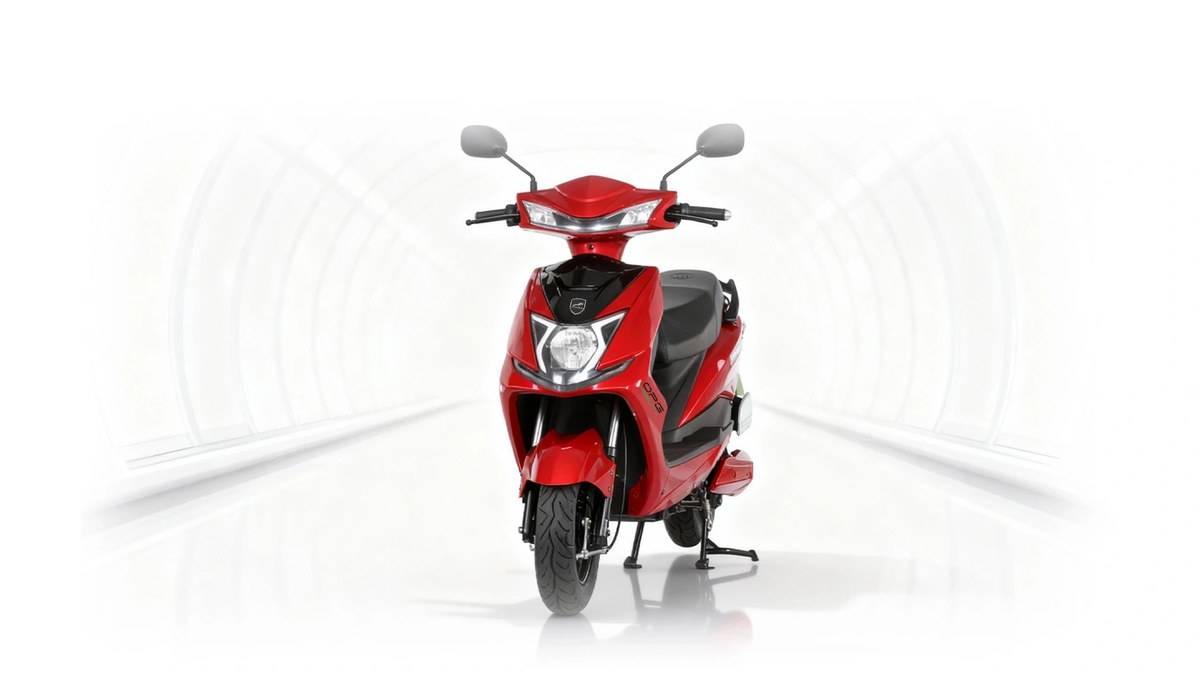
OPG's product presentation highlights a flat footboard, headlamp, dual-tone body and suspension. Those descriptions are useful prompts for inspection, rather than measurements of storage space or a road test of ride quality. Try the normal riding position with the footwear and luggage used daily. Check whether the items carried on errands interfere with the rider's feet or access to the controls.
The same approach applies to the suspension. A promotional image cannot establish comfort on a broken lane with the intended passenger or load. Ask for an appropriate demonstration and check the permissible loading instructions supplied with the vehicle. The opened specification does not establish a payload figure that can responsibly be added to this guide.
Warranty paperwork is part of the package
OPG's revised warranty page gives the Freedum Li battery a limit of three years or 30,000 km, whichever comes first. However, the product page separately offers the year-labelled packages shown above. Have the seller reconcile the selected package with the applicable written warranty. Do not assume the general table overrides the specific contract attached to a quotation.
The warranty text also excludes normal ageing-related capacity degradation and requires authorised servicing. Keep that distinction in mind when discussing what happens if range gradually changes. Ask which workshop handles a battery diagnosis and what documents it needs. The point is to understand the support arrangement offered with this Freedum, rather than interpreting a duration as a promise that every battery concern receives a free replacement.
Compare the daily job, not just the sticker
Our Scooter and bike price guide, Choosing Joy Gen Next Nanu+ at Rs 73,604 MRP and TVS Zest price list: Rs 71,350 to Rs 78,400 offer other starting points for scooter comparisons. Keep each vehicle's intended route, charging or refuelling routine and support arrangements distinct when reading those separate guides.
Official sources: Freedum LI, OPG shop and revised warranty.