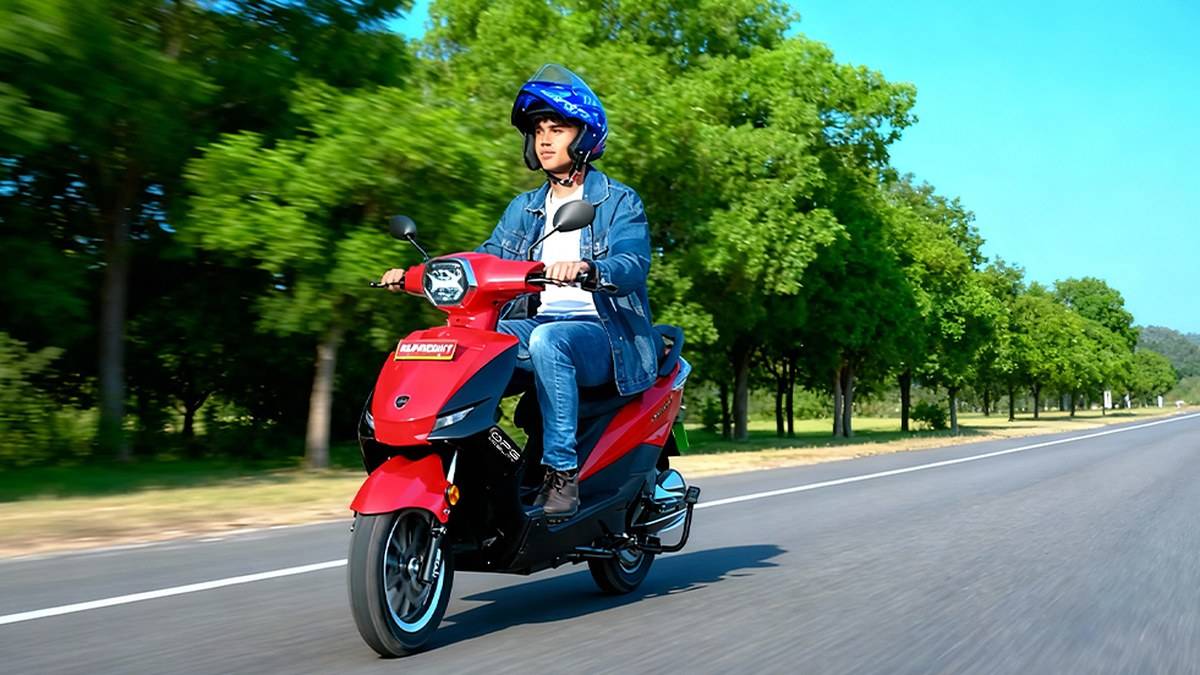
NEW DELHI: OPG Mobility lists the Defy 22 at Rs 1,16,343 ex-showroom on both its official model page and opened shop listing. The scooter combines a 2.2 kWh LFP battery with a claimed 100 km IDC range and a 70 km/h top speed. Its distinguishing equipment is a connected TFT dashboard rather than just a basic battery gauge. Price as of 29 November 2026, 14:40 IST.
| Item | Official Defy 22 specification |
|---|---|
| Displayed ex-showroom price | Rs 1,16,343 |
| Battery | 2.2 kWh LFP |
| Motor, rated / peak | 1.2 kW / 2.3 kW |
| Claimed range and speed | 100 km IDC; 70 km/h |
| Charging, 0% to 80% | 2 hours 15 minutes |
| Brakes | Front and rear discs with CBS |
| Display | 7-inch TFT |
What the displayed price covers
According to OPG Mobility's official Defy 22 page, the displayed amount is an ex-showroom price. The page provides a colour selector, but the readable text does not establish separate colour premiums or a ladder of differently equipped trims. This is therefore a guide to the published Defy 22 specification, not an invented variant price list. Ask for an itemised final quotation before treating the displayed amount as the total payable.
The distinction matters when comparing quotations that include registration-related charges, insurance or accessories. Keep the scooter price in a separate line from those additions. A lower total may describe a different package, while a higher total may contain something optional. Neither can be understood properly from the amount alone. The written specification should identify the battery and charger supplied with the vehicle.
A connected dashboard needs a demonstration
OPG lists Bluetooth, IoT functions, location tracking and remote vehicle on/off. Navigation and music control work through mirroring. That last qualification deserves attention: a navigation feature described as mirroring should not be assumed to operate independently of a paired phone. Have the showroom demonstrate the connection process on the handset that will actually be used, including what remains available if the connection drops.
For a household sharing the scooter, account access is part of the handover. Check how a second rider connects, how stored phone information is removed, and how the owner takes control after a handset is replaced. These are practical questions prompted by the Defy 22's connected equipment. The readable product page does not publish a subscription tariff or a guaranteed connectivity term, so this guide assigns neither a cost nor a free lifetime to those functions.
Read performance and charging separately
The motor figures describe rated and peak output, which should remain separate when comparing specification sheets. A headline power number does not describe sustained performance on every road. Similarly, the range is an IDC claim, not a promise for a particular household's route. Load, road conditions and riding style are among the factors OPG says can change the distance achieved.
The charging figure is for a partial recharge. It should not be presented as the time needed to fill an empty battery completely. Someone who returns home briefly between journeys should establish the normal charging routine with the supplied charger, rather than planning the day around an incorrectly shortened full-charge estimate. The parking location and access to power deserve consideration alongside the advertised range.
Who the Defy 22 is for
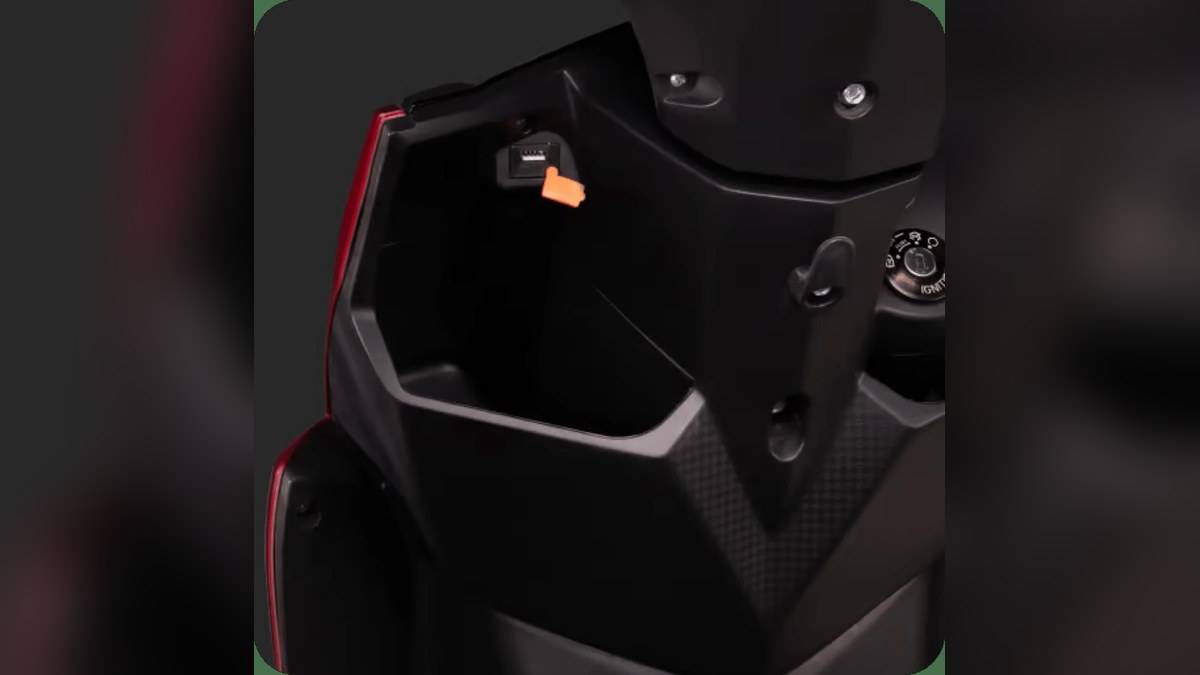
This specification is relevant to an urban commuter who values phone-linked navigation, a readable dashboard and practical parking assistance. OPG also lists reverse mode, a USB port, LED lighting and a mechanical key with a remote. The useful question is which of these functions the regular rider will use comfortably, rather than how many boxes appear in a features list.
A demonstration should include moving the scooter out of its parking space, operating reverse and using the controls with riding gloves. The brakes deserve their own check. CBS describes the linked braking system, while the hardware here is disc braking at both ends. It is not evidence of ABS, and the opened specification does not list ABS. Do not let similar sounding braking terms substitute for checking the equipment.
Warranty and alternatives
OPG's revised warranty page lists the Defy among its high-speed models. Its battery row states three years or 30,000 km, whichever comes first. The page also contains a dealer-receipt timing provision, so have the applicable start date recorded. Coverage requires authorised servicing and supporting documents, and exclusions include normal ageing-related capacity degradation. A warranty headline should be read with those conditions.
For broader context, our Scooter and bike price guide explains another electric scooter range. Readers considering different daily-use priorities can also consult the Bajaj Chetak price list: Rs 99,802 to Rs 1,53,850 for all five models in Bengaluru and TVS Jupiter price: Rs 74,400 to Rs 90,225, Jupiter 125 from Rs 82,100. Those are separate published references, not evidence that their prices and equipment are directly equivalent to this Defy quotation.
Official sources: OPG Mobility Defy 22, official shop and revised warranty terms.