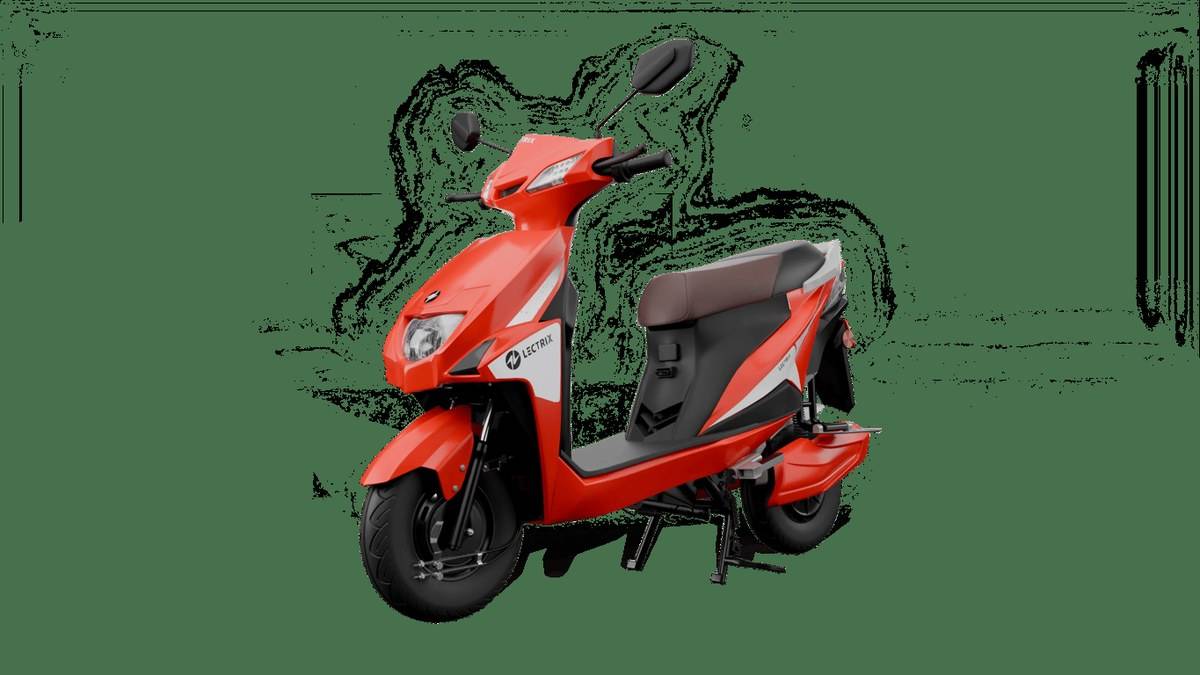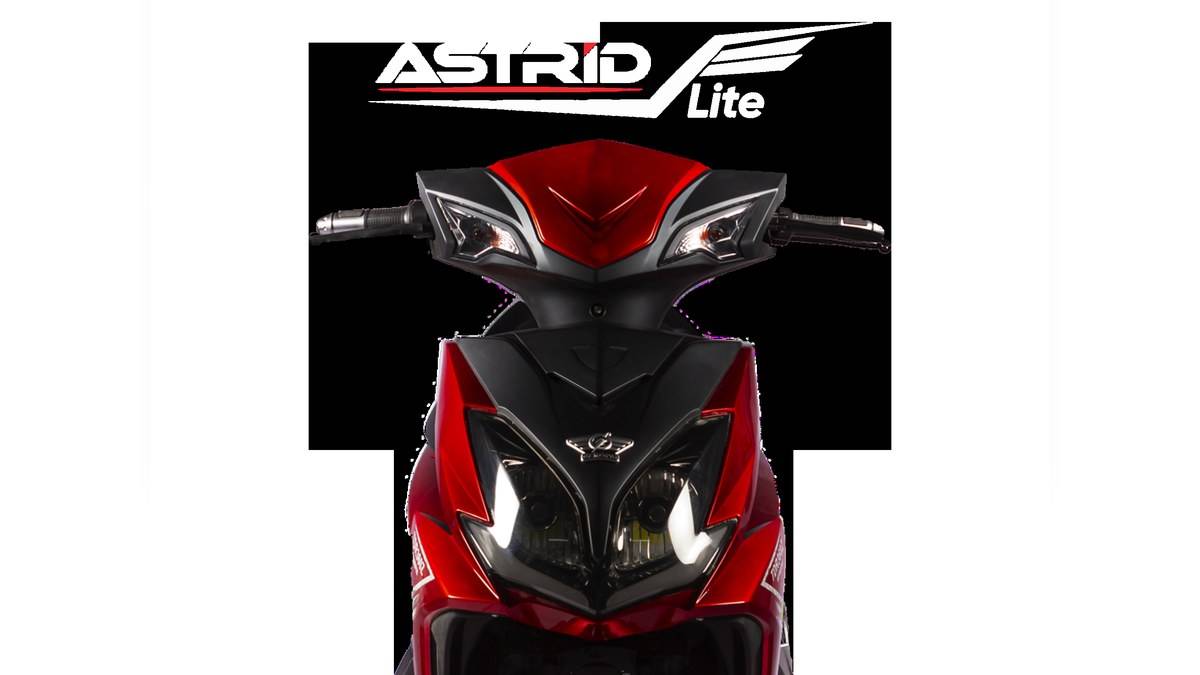
NEW DELHI: Gemopai's official catalogue lists the Astrid Lite with a starting ex-showroom price of Rs 1,11,195. Its product page shows the same main amount and describes a removable lithium-ion battery, a 65 km/h top speed and Economy, City and Sports riding modes. The page's range and variant sections need careful reading before those claims become a purchase specification.
| Item | Official information |
|---|---|
| Catalogue starting price | Rs 1,11,195 ex-showroom |
| Variants | Three mentioned in FAQ, complete named price table not supplied |
| Top speed | 65 km/h claim |
| Motor | 4 kW peak claim |
| Brakes | Front disc, rear drum |
| Battery | Removable lithium-ion |
| Battery warranty | Three years, according to product FAQ |
Price as of 28 November 2026, 19:03 IST. Gemopai's price disclaimer excludes accessories, labour, handling, fitting, delivery and incidental charges. The amount above is the catalogue's starting figure, not an all-inclusive local quotation. A lower amount labelled effective price on the product page is not used here as an unconditional payable price.
Ask for a named variant
The Astrid Lite FAQ mentions multiple variants, but the opened text does not provide a complete list pairing their names with current prices. It would be wrong to turn that material into an invented variant table. Ask for a quotation that identifies the exact configuration and records the battery, charger and equipment being supplied.
That is especially useful if different advertisements use the Astrid Lite name without explaining the hardware behind the figure. Keep the specification attached to the quotation rather than relying on a verbal assurance that all versions are alike. At delivery, check the vehicle and equipment against that document before accepting the final bill.
Separate range claims from a route plan
The product page leads with a 200 km range claim. Its FAQ also describes a broader span of 90 km to 200 km depending on use, while another answer lists different figures by riding mode. Those are manufacturer statements with different contexts, not a single independently tested range that this guide can promise to every rider.
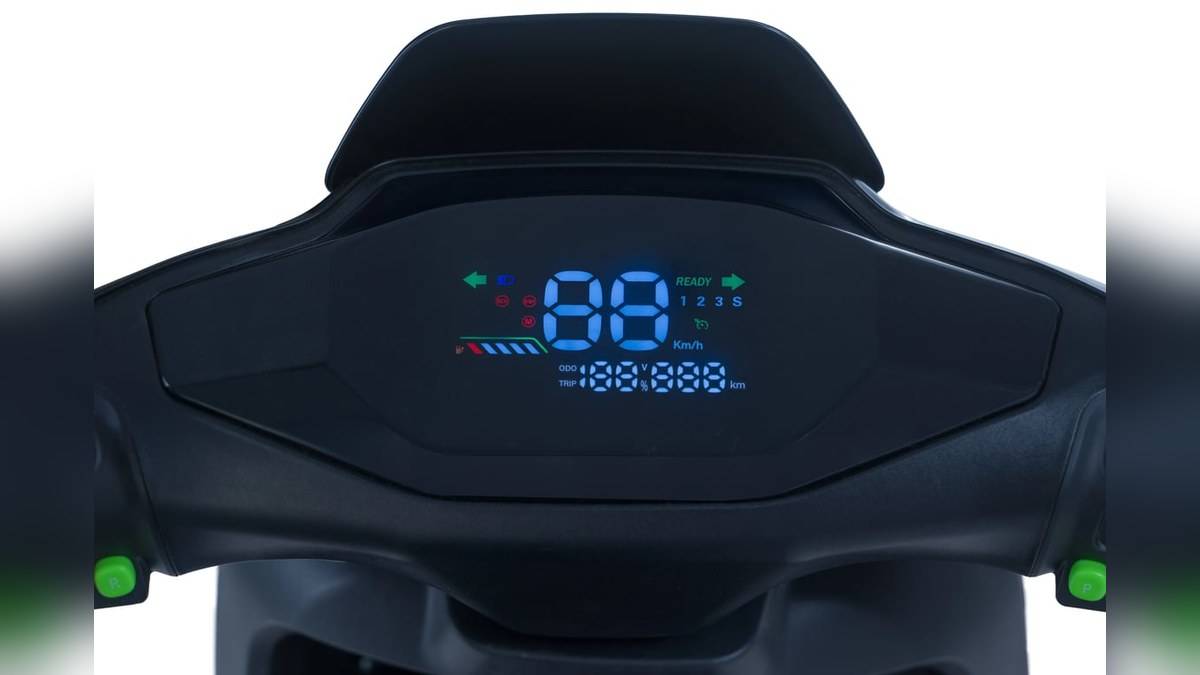
The mode choice is the useful practical point: Economy, City and Sports are explicitly named. Have the controls demonstrated and establish which setting is intended for normal use. Do not build a daily schedule around the largest advertised distance while expecting every performance setting, passenger load and road condition to deliver the same result.
For an urban commuter, draw the actual route with its return leg, diversions and likely errands. Then consider where charging fits into that routine. A scooter that stays close to home has a different planning problem from one used across a city with no convenient daytime charging stop. The Astrid Lite's headline range does not remove that distinction.
Test the removable-battery routine
Gemopai's general FAQ describes removing the battery, charging it and replacing it in the scooter. The Astrid Lite page separately confirms that its battery is removable. That makes the physical process worth demonstrating, particularly for a household considering charging away from its parking space.
Ask to see the release, lifting, connector and refitting procedure with the supplied battery. Check whether the intended user can manage the routine comfortably and whether there is a suitable place for the equipment. Removability on a specification sheet is only useful when it solves the owner's actual access problem without creating another awkward daily task.
Keep the charging instructions beside the charger details and warranty paperwork. The product page advertises partial charging separately from its full-charge FAQ answer, so the two should not be treated as interchangeable promises. Confirm the required equipment and the meaning of any advertised charging interval for the configuration being ordered.
Inspect the scooter beyond the battery
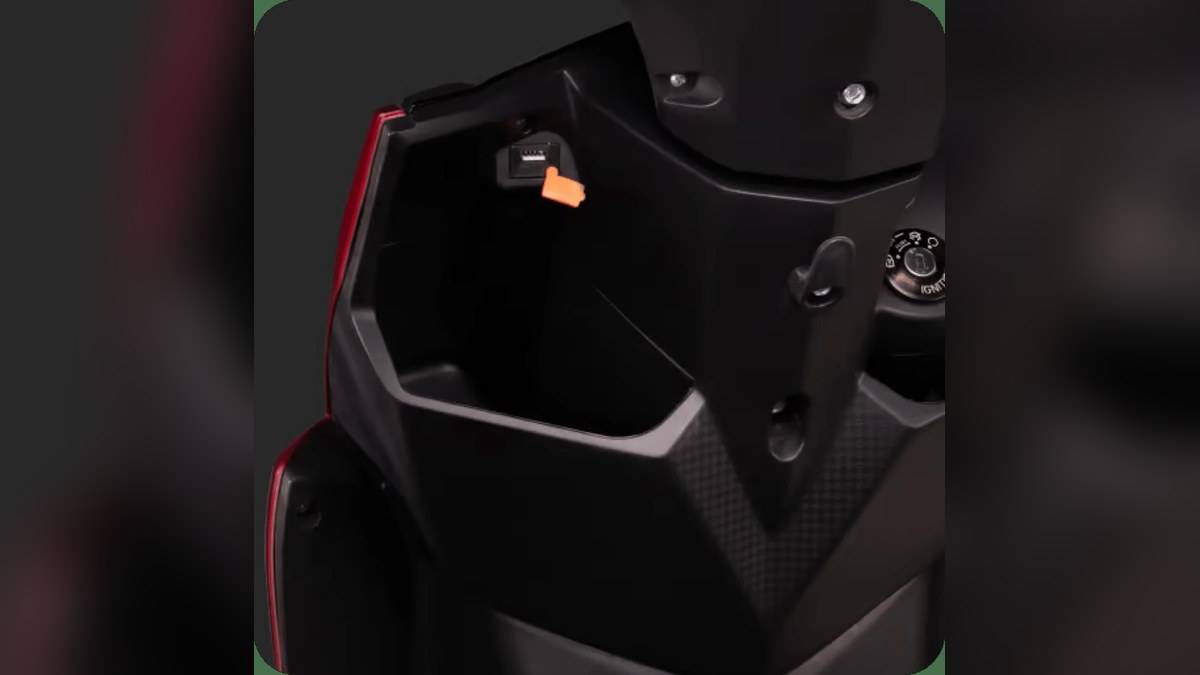
Gemopai lists a front disc and rear drum brake, aluminium alloy wheels, a side-stand sensor, USB charging and keyless entry. Its design section also shows a phone and bottle caddy. During a demonstration, check access to the storage areas and controls while seated, rather than assessing the scooter only from a standing walk-around.
The caddy and removable battery suggest different daily-use questions. Can belongings be secured without obstructing movement? Where will the charging equipment travel if needed away from home? Can the owner carry the usual bag and still park and turn comfortably? These are more revealing checks than counting convenience features without trying them.
Rivals and ownership records
For wider context, see our Scooter and bike price guide, Gemopai Ryder Supermax vs Ryder price: Ryder starts lower at Rs 70,850 and Okinawa OKHI-90 price: Rs 1,49,991 ex-showroom. Compare the intended journeys and charging arrangements, while retaining each published figure's date and location basis.
For Astrid Lite, preserve the named variant quotation, invoice, battery identification and applicable warranty terms together. Its headline specification is only the starting point. A clearly documented configuration and a workable charging routine provide a sounder basis for ownership than treating the largest range claim or an unexplained effective price as the whole offer.
Sources: Gemopai official catalogue, company FAQ and Astrid Lite product page.