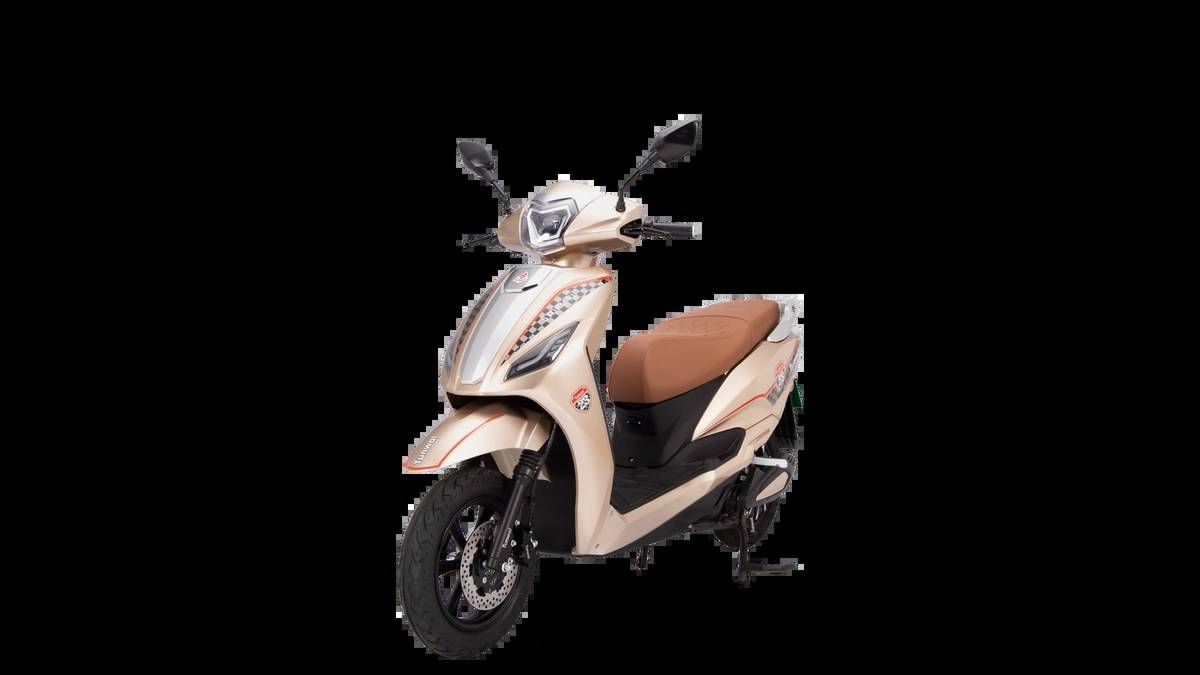

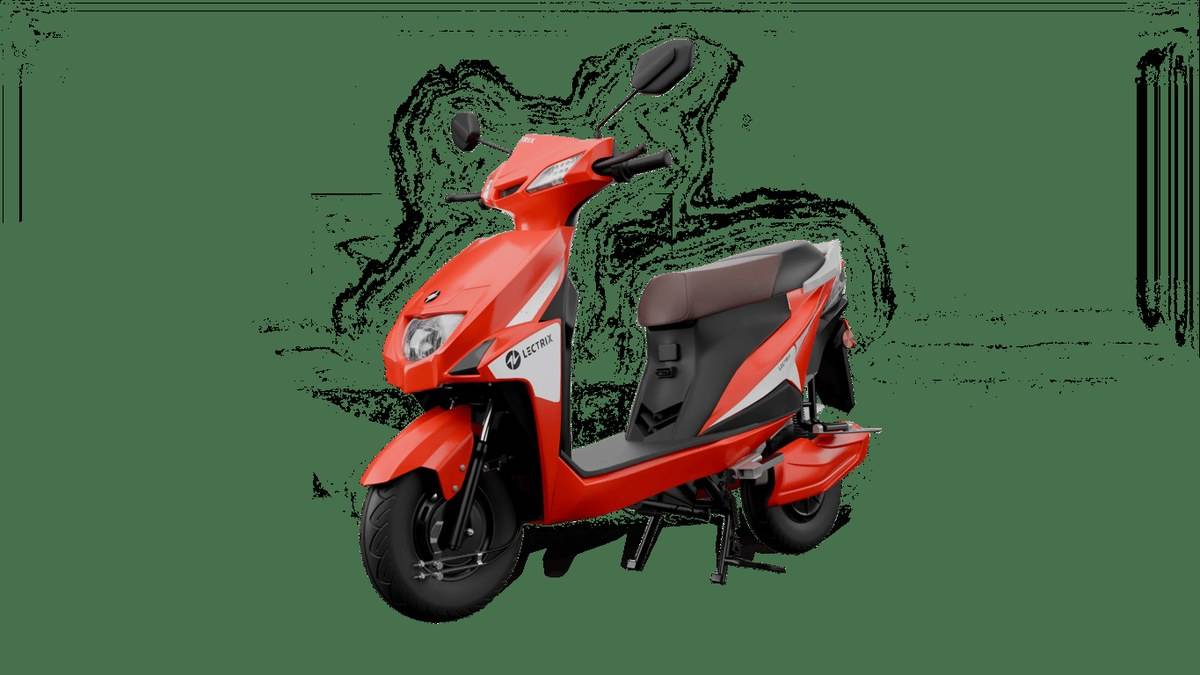
NEW DELHI: Lectrix lists the LXS 2.0 at Rs 84,990 and the LXS 3.0 at Rs 1,04,990 on its official reservation page. The LXS BaaS appears separately at Rs 49,999 plus Rs 1,199 a month for the battery subscription. These are different ownership propositions, so the lowest upfront number does not describe the cost of every LXS.
| LXS option | Official displayed price | Claimed range on reservation page |
|---|---|---|
| LXS 2.0 | Rs 84,990 | 98 km |
| LXS 3.0 | Rs 1,04,990 | 120 km |
| LXS BaaS | Rs 49,999 plus Rs 1,199 monthly | 98 km |
Price as of 28 November 2026, 19:03 IST. The LXS product page labels its Rs 84,990 figure ex-showroom and inclusive of the charger. The reservation page carries asterisks against its figures; obtain the applicable local invoice breakdown before treating any displayed amount as the final payment.
Start with battery ownership
The useful first question is whether the quotation includes ownership of the battery or access to it through a recurring subscription. Lectrix's BaaS explanation says the customer owns the vehicle while the company handles the battery. Its stated renewal route is the app. That makes the monthly payment part of the operating arrangement rather than a vehicle loan instalment.
A household comparing these options should write the scooter payment and the continuing battery charge on separate lines. A lower initial outlay may suit a constrained purchase budget, but it does not establish a lower ownership bill. The relevant paperwork must explain renewal, cancellation, replacement and what happens if the subscription stops. The opened marketing page does not answer all those contractual questions.
Read the model suffix before the range claim
The reservation cards attach different range claims to the named versions. Keep that association when discussing the quotation: a claim shown beside the LXS 3.0 should not migrate into an LXS 2.0 order. Claimed range is a planning reference, not a promise that every route, load and riding style will reproduce the advertised distance.
This matters especially when a scooter serves both an office commute and unplanned family errands. Consider the return journey and the opportunity to recharge, rather than matching the advertised maximum to the outward distance. A practical test ride should include the surfaces and traffic that the scooter will encounter, with the intended rider checking confidence at stops and while parking.
What the shared product page establishes
Lectrix's LXS product page lists a 55 km/h top speed and telescopic suspension. It specifically promotes the LXS 3.0 with an IP67 claim and 145 mm ground clearance. The page also describes an economy mode. These are manufacturer specifications and feature descriptions, not measurements from a road test conducted for this article.
The distinction between shared and version-specific information is important here. Ask for a specification sheet bearing the exact model name on the quotation. Do not use the common product-page heading as proof that every detail applies to every battery or subscription version. At handover, the supplied charger and the vehicle documentation should match that same model description.
Prepare the service record at delivery
Lectrix's service request form asks for the frame number, distance travelled and date of purchase, alongside contact information. Save those details with the invoice and warranty document before regular use begins. If a fault develops, describe the symptom, when it occurs and any dashboard indication; a clear record is more useful than a broad complaint about range.
The company's service guidance says to use the supplied charger and to switch the ignition off while charging. Ask for a demonstration of connection and disconnection with the actual equipment supplied. For a subscription vehicle, also establish which service process covers a battery complaint and which covers a vehicle fault, so the owner knows where to start.
Compare the complete arrangement
The LXS deserves comparison with other urban electric scooters on usable range, charging access, rider fit and local service arrangements. Our existing Lectrix NDuro price list: Rs 60,350 to Rs 1,04,990, TVS iQube price: Rs 95,374 in Delhi, Rs 1,11,560 in Bengaluru, 7-city list and Bajaj Chetak price list: Rs 99,802 to Rs 1,53,850 for all five models in Bengaluru provide other reference points. Their published prices have their own date and location basis.
For the LXS, the decisive document is an itemised order naming the version, battery arrangement, charger, recurring obligations and final payable amount. Keep a copy of the reservation terms alongside it, with the dated quotation and the final invoice for reference. A correctly identified scooter and a clearly recorded ownership arrangement are more useful than choosing from the largest range claim or smallest price displayed on a shared page.
Sources: Lectrix LXS product page, official BaaS explanation, service guidance and official reservation prices.