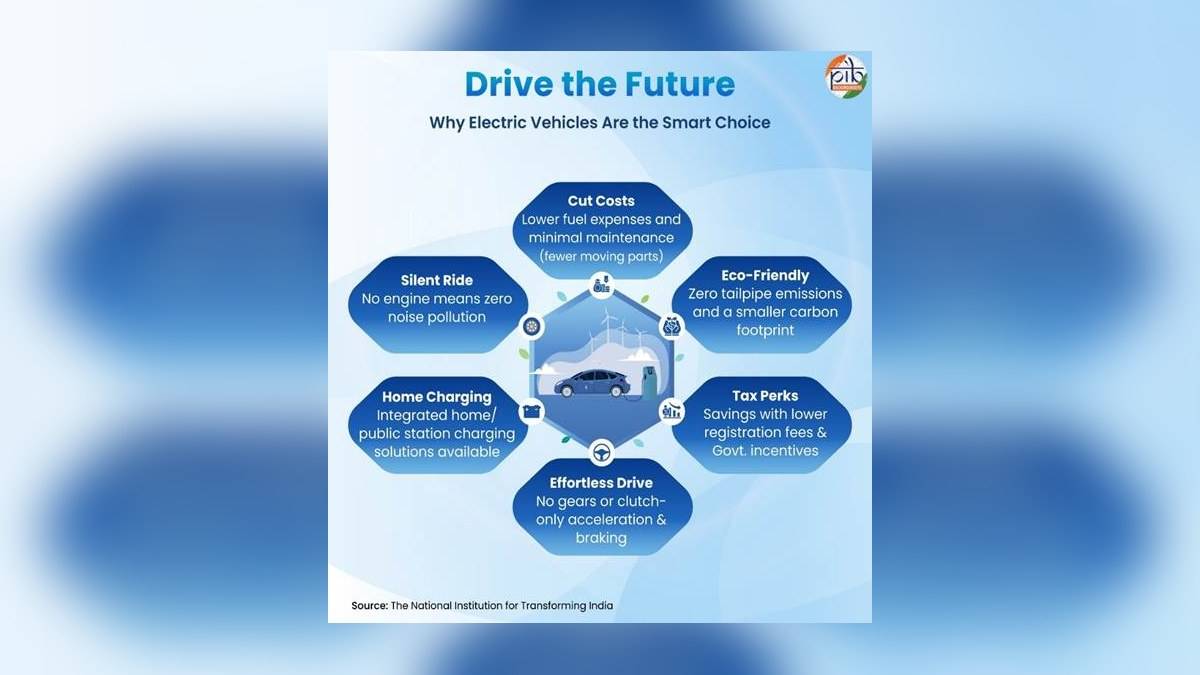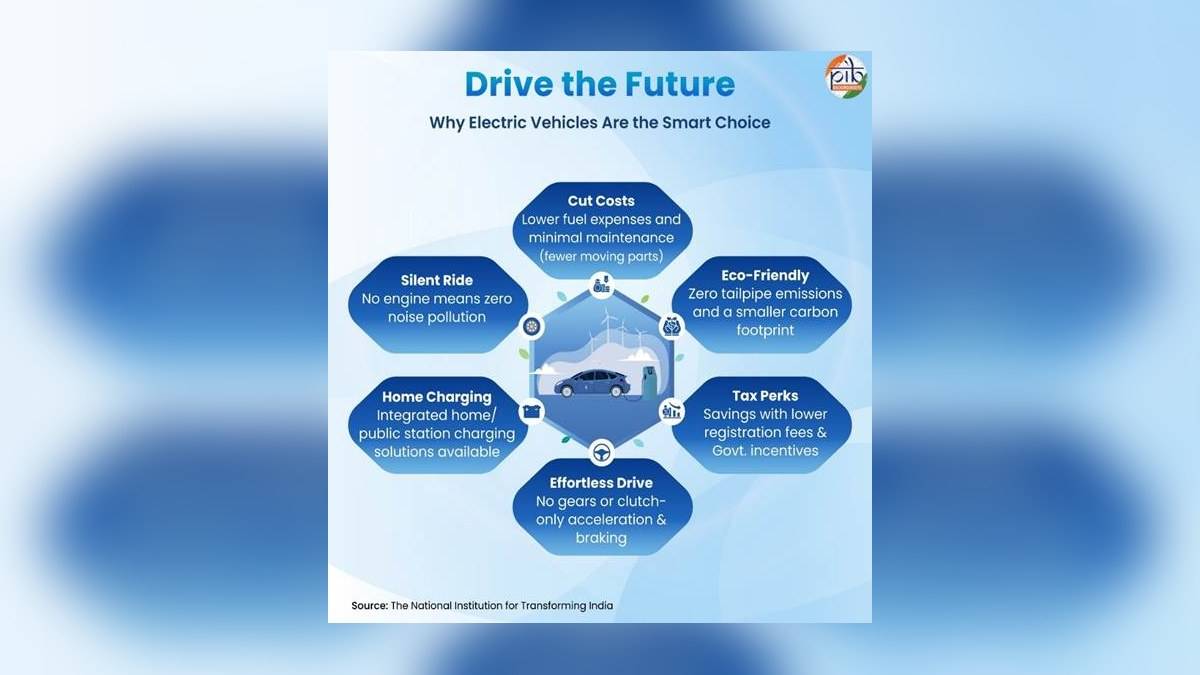
NEW DELHI: Battery-operated tourist vehicles can receive an All India Tourist Permit without paying a permit fee, the road transport ministry reiterated in a March 2026 parliamentary reply. For an electric passenger car used in tourist transport, that makes the permit-fee line worth checking separately when an agent or operator prepares a paperwork quotation.
| Item | Official basis |
|---|---|
| All India Tourist Permit fee | Nil for battery-operated tourist vehicles under G.S.R. 302(E) |
| Notification date | 18 April 2023 |
| Parliamentary reaffirmation | 25 March 2026, Rajya Sabha question 3757 |
| Battery-operated transport vehicle plate | Yellow letters on a green background |
| Other battery-operated vehicle plate | White letters on a green background |
Identify the service being quoted
The All India Tourist Vehicles (Permit) Rules, 2023 provide a specific tourist-transport framework. Their text, available through the High Court of Tripura's central-rules collection, says battery-operated tourist vehicles receive the permit without payment of a permit fee. That is a clear provision about a defined charge within a defined operating arrangement.
A useful quotation should therefore identify the authority's charge separately from an agent's service charge. If a bundled amount is described simply as an all-India permit cost, ask for the breakdown and the applicable rule. The official fee exemption does not establish what a private paperwork service may charge for its work, or whether that service is needed.
A fee waiver still requires the right paperwork
The published rules describe an application to the Transport Authority through an electronic portal and the electronic issue of a permit. The important distinction for a prospective operator is between obtaining the document and paying a particular fee. A nil permit-fee provision should not be read as evidence that the tourist-transport process disappears.
Before committing a passenger car to tourist work, identify the proposed operating category with the registering authority. Keep the registration details, ownership record and proposed use aligned in the application. This is especially useful where a car was originally acquired for personal use and a business is considering putting it into a tourist fleet.
General transport relief is a separate notification
The ministry's reply also cites S.O. 5333(E), dated 18 October 2018, which grants battery-operated transport vehicles exemption from permit requirements. The same reply separately identifies the All India Tourist Permit fee relief. Operators should preserve that distinction when asking which framework governs a particular journey or service.
A generic statement that electric vehicles are permit-exempt is less useful than an answer tied to the intended use. Ask the authority to identify the notification and the relevant vehicle category in writing. Where a business proposes tourist operations, use the tourist-permit framework and its specific exemption as the starting point for that discussion.
Green plates show another classification
MoRTH's published EV measures distinguish yellow lettering on a green background for battery-operated transport vehicles from white lettering on green for other battery-operated vehicles. The ministry traces this to G.S.R. 749(E), dated 7 August 2018. The transport classification is therefore visible even though both kinds of vehicle use a green background.
When examining a car for a tourist business, compare the registration record with the intended use rather than relying on the background colour alone. A photograph of a green plate cannot answer all questions about a vehicle's operating paperwork. The registration record and the authority's confirmation should resolve the classification before the vehicle is advertised for a service.
Do not combine permit fees with road tax
The ministry's November 2024 EV summary separately identifies registration-certificate fee relief, tourist permit-fee relief and other measures. Its policy explanations also describe road-tax waiver as a matter on which states were advised. That separation is a useful guide when reading a registration or operating-cost quotation.
For a car owner, request itemised entries for registration-related fees, state vehicle tax, permit-related charges and private service charges. Do not accept an unexplained consolidated figure as proof that every entry is payable to government. Conversely, a specific central fee waiver cannot establish that every state charge or business expense has been waived.
Check the operating conditions for the application date
The source documents establish the battery-operated tourist-vehicle fee exemption. This guide does not reproduce general tourist-vehicle fee slabs, vehicle-age limits or application deadlines from the original rules, because those operational provisions need the applicable amended framework at the time of application. Obtain the latest checklist from the responsible Transport Authority.
For fleet planning, retain the application acknowledgement and the final authority-issued document alongside the quotation. Our related guides explain the separate electric-car import scheme, Telangana's separate EV tax provisions and Karnataka charging plans.
Official sources: MoRTH's March 2026 parliamentary reply, the High Court's official central-rules collection and MoRTH's EV measures summary. Checked on 28 November 2026.