
Students counting on a central scholarship this year have until 31 October 2026 to apply on the National Scholarship Portal (NSP). That is the closing date the portal currently shows for renewal applications under the PM-USP Central Sector Scheme of Scholarship for College and University Students and the PM USP Special Scholarship Scheme for Jammu, Kashmir and Ladakh.
The same notice on the National Scholarship Portal gives the later checkpoints. Institutes must finish verification by 15 November, and the second level of verification, by scheme nodal officers, closes on 30 November. The portal has been open for the 2026-27 academic year since 1 June.
This year the portal also works differently. A revised NSP framework applies from 2026-27, and CBSE has asked its schools to explain it to students and parents. Here is what has changed and what to do before the deadline.
Key dates at a glance
The portal opened for 2026-27 on 1 June. Student applications for the two PM-USP renewals close on 31 October. Institute verification closes on 15 November. Second-level verification by scheme officers closes on 30 November. The National Means-cum-Merit Scholarship for school students also closes on 31 October after an extension.
Dates for other schemes on NSP can differ, and the portal lists them scheme by scheme. Check the scheme page for your own scholarship rather than assuming it shares the 31 October date.
The new rule on how many schemes you can hold
From 2026-27, the portal says, students may apply for one merit-based scholarship scheme and one or more welfare-based scholarship schemes, as long as they meet each scheme's eligibility rules.
In practice, this means a student cannot stack two merit scholarships. A first-year college student who holds a merit award should choose carefully before applying for a second merit scheme, because only one will count. Welfare schemes, which are usually linked to category or family income, can be combined with that one merit scheme.
The rule comes from a Cabinet Secretariat office memorandum dated 12 November 2025. CBSE's public notice on the revised NSP framework attaches that memorandum and the new workflow, and asks heads of affiliated schools to pass the details to eligible students and parents.
What changes when you apply
The new workflow is built around one profile. Details given in the first application are kept and reused for later applications, so a student applying under a second scheme fills only scheme-specific details and uploads the documents that scheme needs.
Edits are narrower than before. If an application is marked defective, the student can correct only scheme-specific details. To change general, academic, institute or course details, all submitted applications have to be withdrawn first. That is a strong reason to get the base profile right the first time.
Fee figures travel with the profile too. Tuition, admission and other non-refundable fees entered during the first institute check are filled in automatically for later applications.
How verification works now
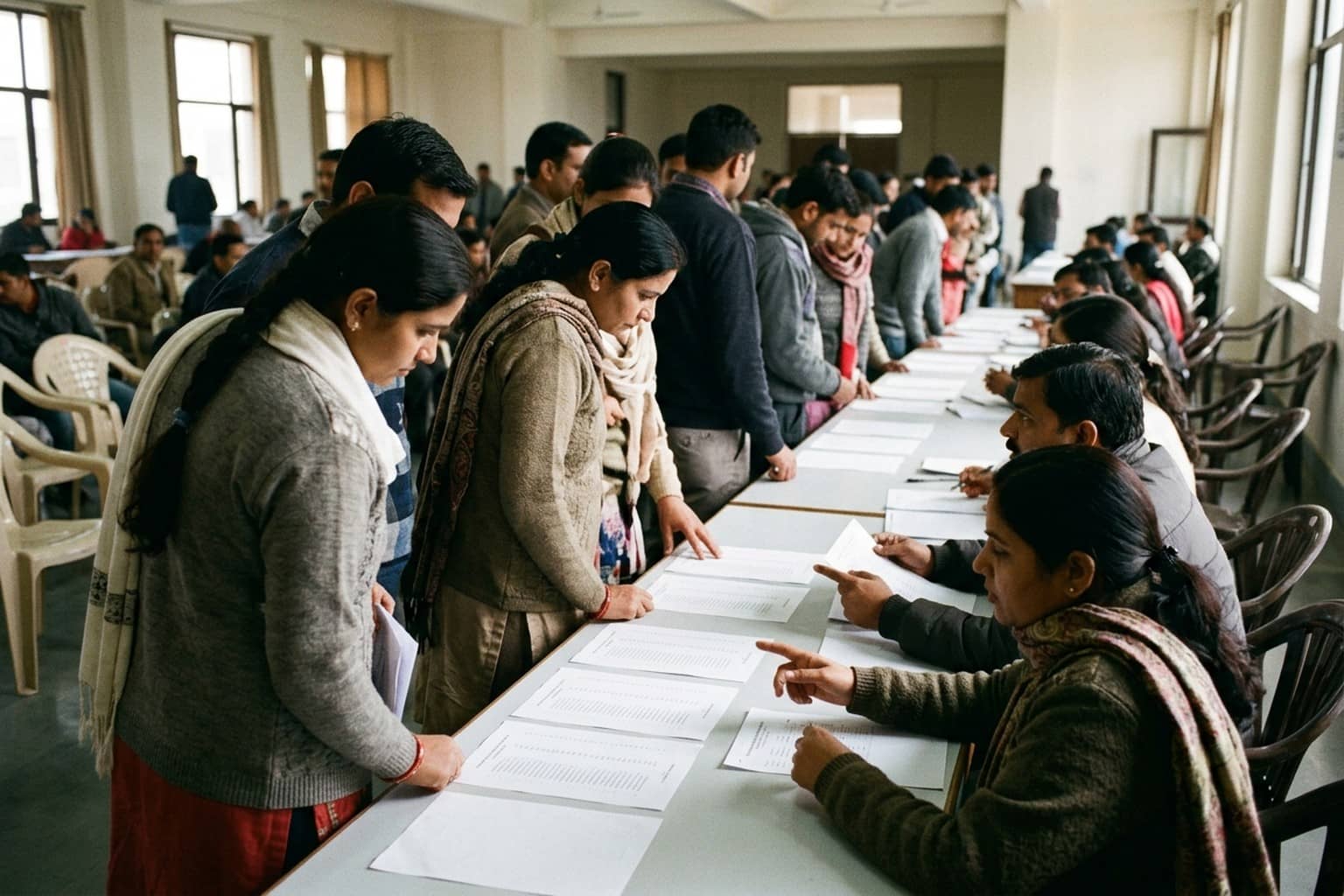
Institute nodal officers will see every application a student has filed, with its status, when they verify the first level. Defects will be split into two types: those in scheme-specific details and those in general or academic details.
At the second level, all of a student's applications will be visible to every nodal officer concerned at the same time. If a student files under a welfare scheme and a merit scheme, both officers see the other application. CBSE's notice says this is meant to keep decisions consistent across schemes.
The notice adds a warning. If a defect is in general or academic details, all of that student's other applications are flagged automatically under a "Red Flag" category. One wrong date of birth or mark sheet entry can therefore hold up every scholarship a student has applied for, not just one.
Checklist before 31 October
Complete the One Time Registration if you have not already. The portal says OTR is needed to apply for any scholarship on NSP.
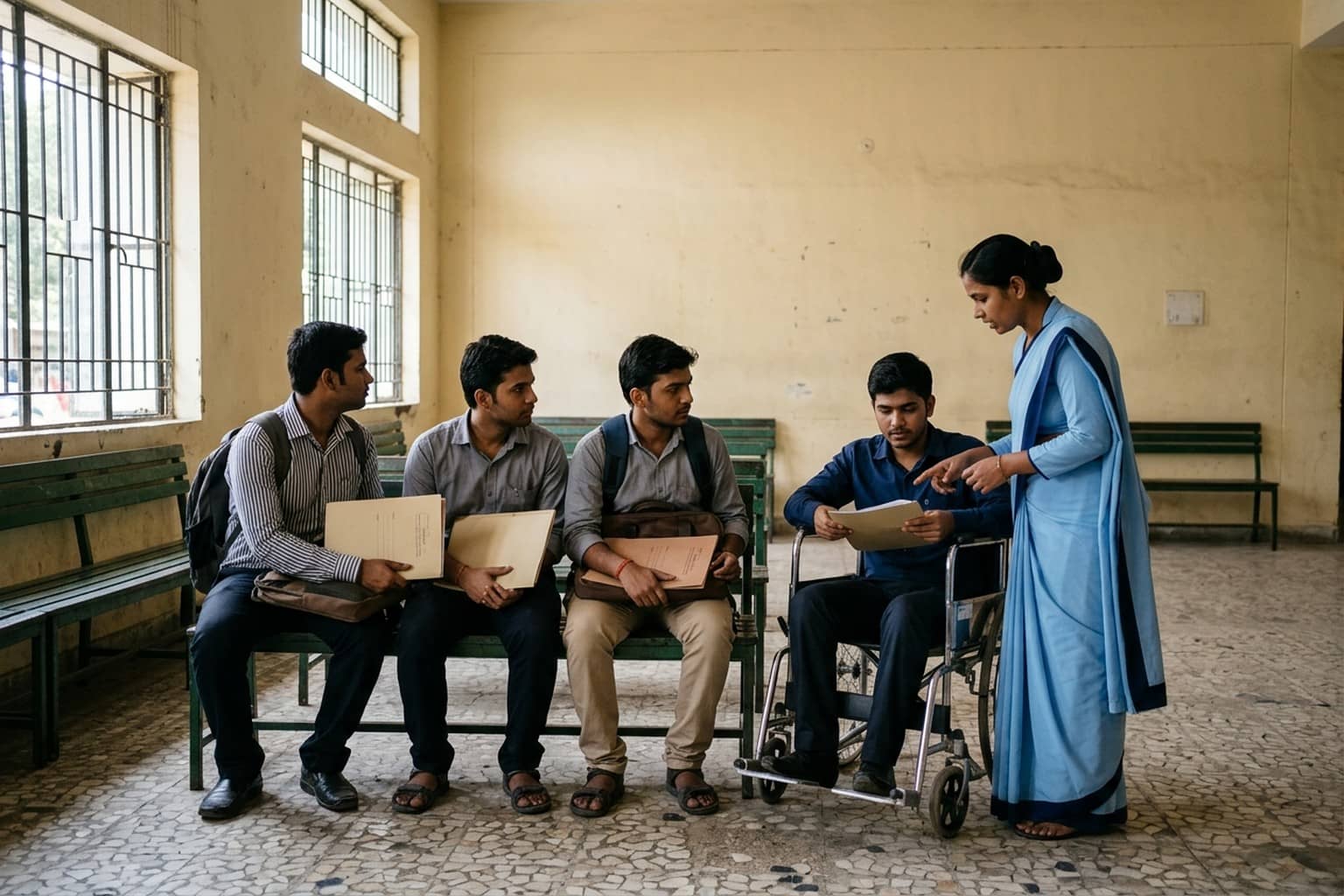
Students with disabilities must first log in to the UDID portal and consent to share their UDID details. Only then can they submit an application on NSP. The portal says applications will not go through otherwise.
Check that your Aadhaar is seeded to the bank account where you want the money. The portal points students to NPCI's Bharat Aadhaar Seeding Enabler, a self-service platform for Aadhaar seeding and de-seeding for Direct Benefit Transfer.
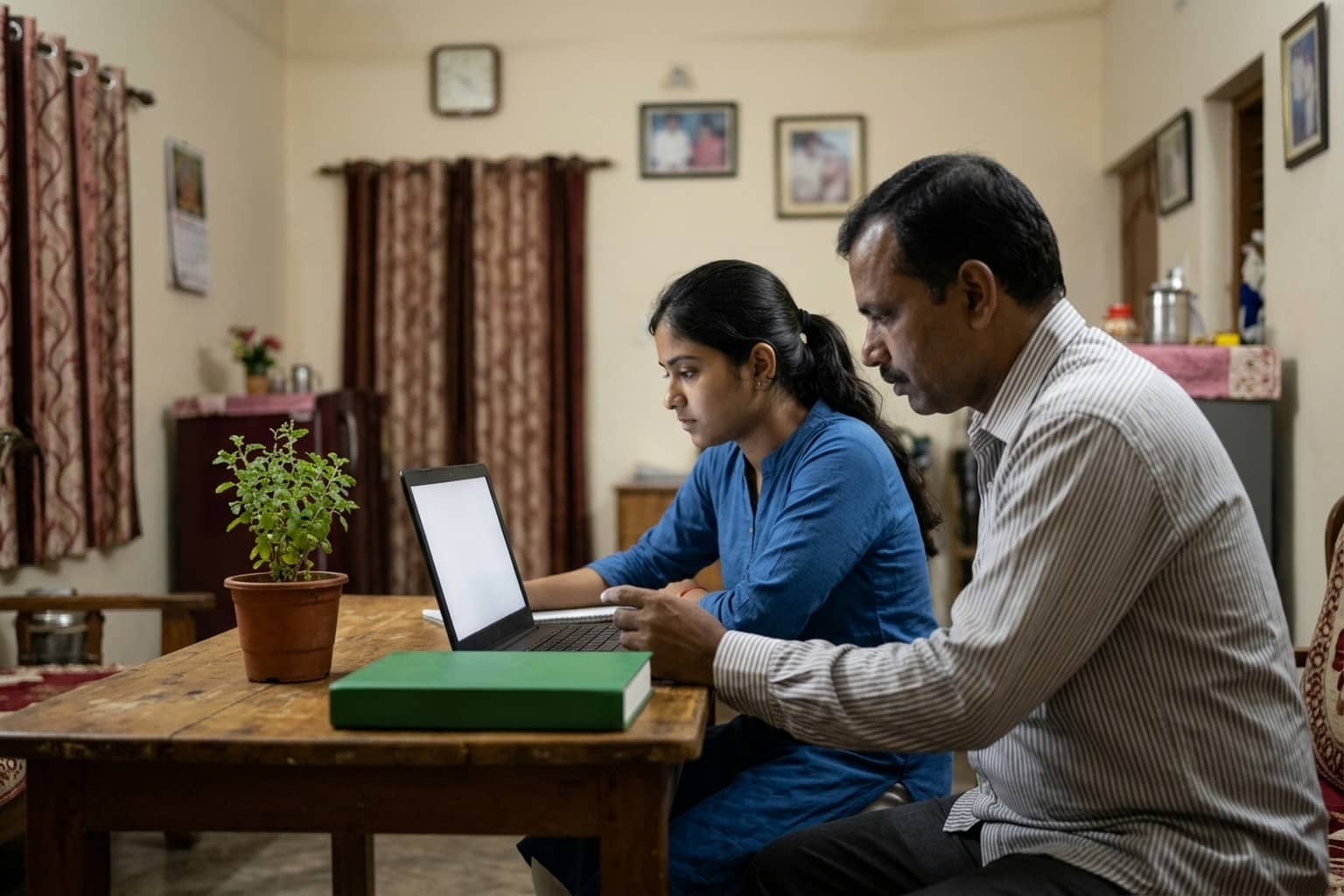
If you do not have a computer at home, NSP services are available at Common Service Centres, which charge a fee per candidate for the full process.
School students should note that the National Means-cum-Merit Scholarship has its own extended deadline, which Dalimss reported in NMMSS applications extended to 31 October. Parents of Class 10 and 12 students handling board paperwork at the same time may find the parents' guide to CBSE's 2027 LOC useful, since name and date of birth details should match across both.
A common reason for defects is a mismatch between documents. If your name is spelt one way on the Aadhaar card, another on the bank passbook and a third on the mark sheet, fix it before you apply. Under the new red flag rule, such a mismatch in general details can hold up every application you have filed, not just one.
Apply well before 31 October. Institutes need time to verify before 15 November, and an application filed on the last day leaves no room to fix a defect.