NGT Summons Ganga Mission Chief Over Tapping and Classification of Assi River
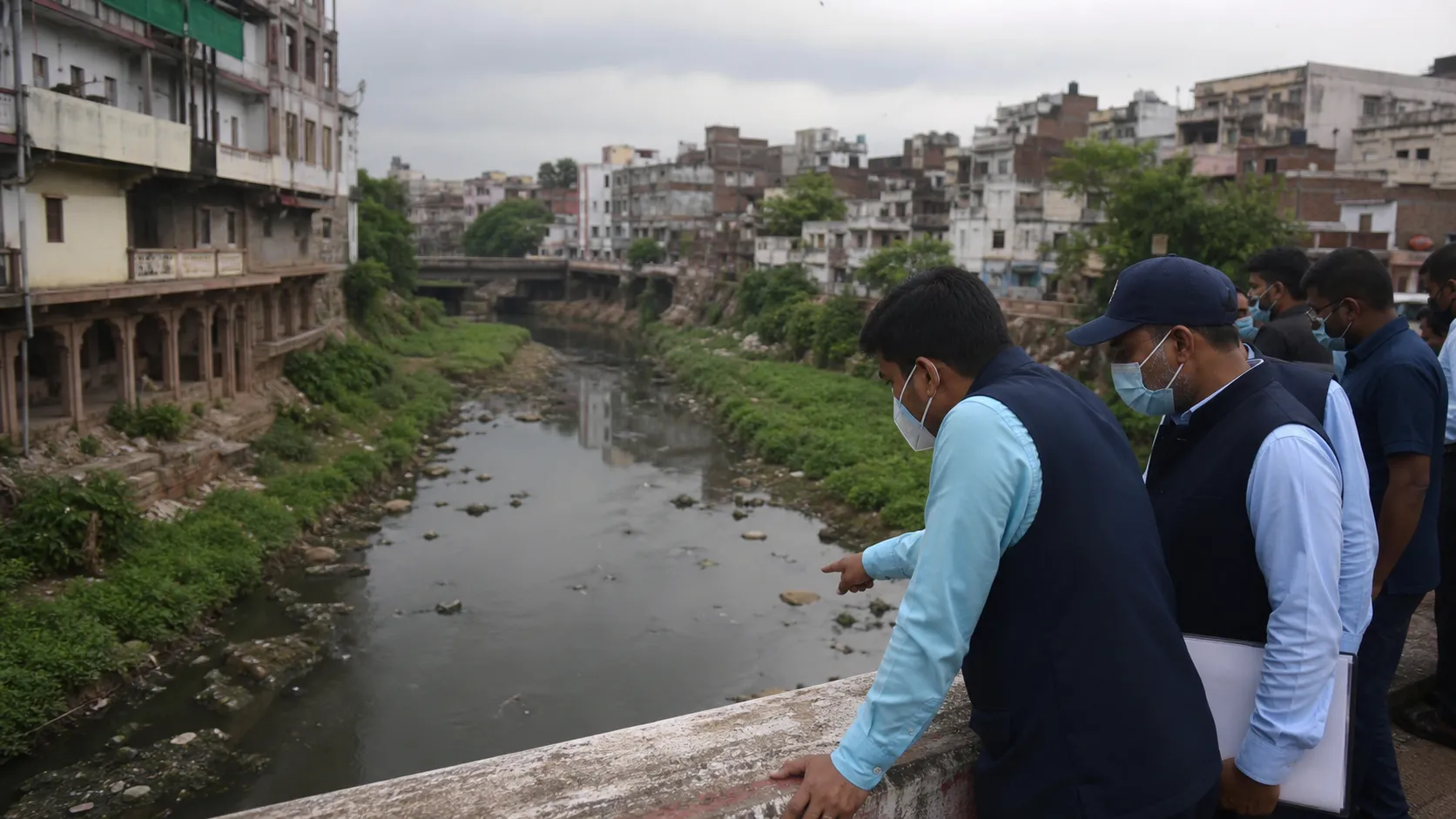
The National Green Tribunal has directed the director-general of the National Mission for Clean Ganga to appear on October 13 and explain why the Assi River was permitted to be tapped and on what basis it was classified as a drain. The direction came after the tribunal found the mission’s latest response insufficient in a petition seeking restoration of the Assi and Varuna rivers.
The matter was heard by the principal bench in New Delhi, led by chairperson Justice Prakash Shrivastava with expert member Dr Afroz Ahmad. Petitioner Saurabh Tiwari has challenged interventions in the two waterways, arguing for their recognition and revival as rivers tied to Varanasi’s geography and history.
During the hearing, the bench drew attention to the River Ganga (Rejuvenation, Protection and Management) Authorities Order, 2016. It observed that the Assi is treated within that framework as part of the Ganga river system. The tribunal questioned how an arrangement affecting its natural flow could continue without a defined end date.
Counsel for the mission reportedly said the tapping was allowed temporarily at the state government’s request to prevent wastewater from entering the Ganga. That explanation presents the practical dilemma at the centre of the case: untreated sewage cannot simply be permitted to reach the main river, but an emergency interception cannot quietly become a permanent substitute for restoring a tributary and building proper treatment capacity.
The bench also asked what rule or scientific process supported calling the Assi a drain. Language has consequences here. Once a river is administratively reduced to a nala, engineering decisions may focus only on carrying waste away. Recognition as a living watercourse brings different duties involving flow, floodplain, ecology and public access.
Varanasi’s name is traditionally linked to the Varuna and Assi, a point the expert member raised during proceedings. Cultural importance, however, does not remove the need for hydrological evidence. The next response should set out historical maps, present flow conditions, sewage inputs, project permissions and a time-bound plan. Sentiment and bureaucracy cannot substitute for data.
The tribunal referred to restrictions under the 2016 order on permanent or temporary construction and interference within the Ganga, its tributaries and floodplains. The mission chief’s personal appearance is therefore more than a request for another affidavit. It signals that the bench wants institutional responsibility attached to the decision.
For residents, the October hearing offers a chance to move the conversation beyond whether the Assi looks like a river today. Many urban rivers resemble drains precisely because years of sewage and construction have stripped away visible flow. The harder question is whether public agencies will accept that condition as the endpoint.
The next step should produce a clear record: who authorised the tapping, how long it was meant to last, what wastewater it intercepts and what restoration plan replaces it. Varanasi does not need a romantic label on a polluted channel. It needs an honest route back to a functioning river.
Sources and reporting
Based on proceedings before the National Green Tribunal’s principal bench reported on 6 August 2026 in a petition concerning restoration of the Assi and Varuna rivers.
Related Stories

Court Issues Arrest Warrant for HSVP Brass
MCG Finalises Sohna Site for Fresh Waste

GMDA Seeks Station-Wise Metro Parking Plans

Thar Rams Rapido Cab After Sector 89 Quarrel
FDA Raids 3 Outlets Over Paneer Quality