New Rs 25 Crore 66kV Substation Planned for DLF Phase 2
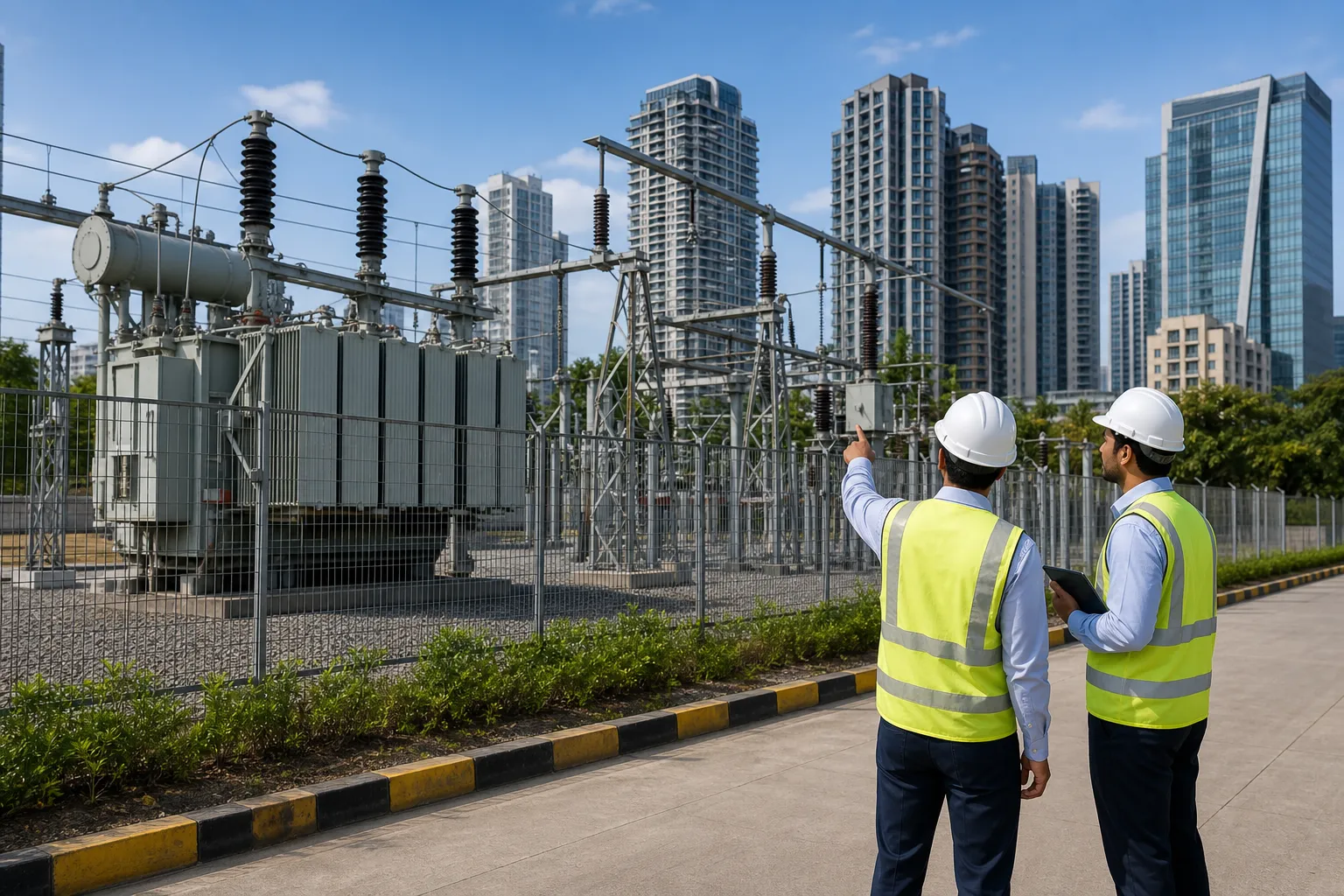
GURUGRAM: Haryana Vidyut Prasaran Nigam is planning a new 66kV substation in DLF Phase 2 to ease pressure on the electricity network serving DLF Phases 1 to 3 and surrounding neighbourhoods. The proposed facility is estimated to cost around Rs 25 crore and would be built near the existing Q Block substation.
The project is at the planning stage. HVPN has begun preparing the proposal, but construction has not yet started. The scheme will require approval and a tender process before a contractor can be appointed, meaning residents should not treat the announcement as an immediate end to outages.
The existing 66kV installation in Q Block is carrying growing demand from homes, commercial activity and additional floors developed across the DLF belt. Officials say the increase in connected load has placed the network under strain, particularly during hot and humid periods when air-conditioning demand rises sharply.
The new substation is intended to benefit DLF Phases 1, 2 and 3 along with parts of Nathupur, Chakkarpur, Sikanderpur and nearby colonies and sectors. By splitting the load and creating additional transformation capacity, HVPN expects to improve supply reliability and reduce unplanned interruptions linked to an overloaded system.
Planning must include more than the substation compound. The utility will need to identify incoming transmission arrangements, outgoing feeders, land access and safety clearances. Distribution upgrades by DHBVN may also be required because stronger upstream capacity cannot fix weak local cables or overloaded transformers on its own.
Officials have also linked recent pressure to dense paying-guest and commercial use inside residential properties, where multiple air-conditioners can push consumption far beyond the original design assumption. Enforcement authorities have sealed a number of unauthorised establishments, and some residents reported an improvement in water and electricity availability afterward.
Enforcement and infrastructure expansion should not be treated as substitutes. Illegal or unsafe use must be addressed through due process, while legitimate households need a network designed for present-day demand. Load surveys should account for sanctioned floors, future redevelopment, electric vehicles and the cooling needs of a warmer city.
A second 66kV source could give the DLF area greater resilience, but the benefit will depend on execution and coordination. HVPN should publish the approval, tender and commissioning milestones once finalised. Until then, preventive maintenance and feeder-level fault response remain essential for residents navigating the current summer and monsoon load. Consumer-level outage data would also help identify whether repeated failures begin upstream or inside the local distribution network.
Related Stories

Mayor Announces Stricter MCG Drive Against Stray Cattle

Court Stays Further Eviction at Baba Balak Nath Temple Complex
HRERA Orders Rs 19.28 Lakh for Delayed Sector 82 Flat Possession

STF Arrests Agra Man With Six Country-Made Pistols in Sohna

FDA and Police Seize Codeine Syrup, Alprazolam in Sohna Raid