NER to Pilot Mobile UTS General Tickets at Banaras and Four Stations
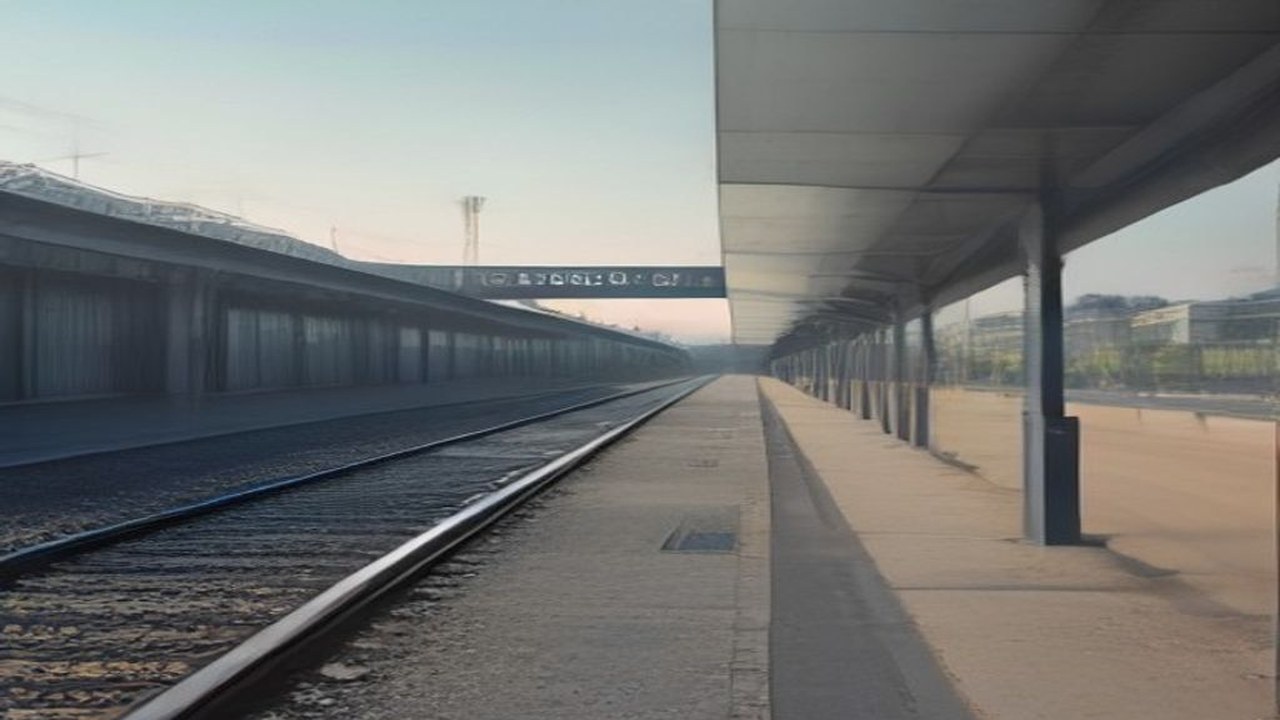
North Eastern Railway will pilot mobile UTS general tickets at five stations — Banaras, Mau Junction, Ballia, Chhapra Junction and Siwan Junction — so unreserved tickets can be sold through roaming agents with phone printers instead of only at fixed counters. The report stamp for Saturday, 19 September 2026 morning, lists Banaras and Chhapra with two agents each and the other three stations with one agent each. Halt stations on the NER Varanasi division already use m-UTS; this pilot extends the roaming model to larger stops.
The idea is queue reduction for general-ticket passengers who otherwise stack at windows during peak hours. An agent with a mobile device and a portable printer can move along the platform or circulating area and issue UTS tickets where the queue is. Future expansion is planned if the five-station run holds, according to the railway account available to this desk.
Unreserved travel on this division still leans on UTS slips for short and medium hops. When counters jam before a popular departure, a roaming printer can clear a dozen passengers without forcing everyone back into the same window line. Halt stations already running m-UTS gave the division a smaller-scale proof before Banaras and the four peer junctions were named for the pilot.
This piece is distinct from Cantt vigilance or sleeper Vande Bharat feasibility copy already live. The beat here is NER unreserved ticketing process, not commercial vigilance cash checks. Readers who buy general tickets at Banaras should watch for roaming agents once the pilot is visibly on the platform, without assuming every window will close.
For NER Varanasi division passengers, Saturday’s stamp is a five-station m-UTS pilot with named staffing counts. For Banaras specifically, two roaming agents are the local number to remember. This desk will not invent launch-hour ceremonies or ridership figures that the railway has not published.
Passengers who still prefer a fixed window can keep using it; the pilot adds a roaming channel rather than wiping counters overnight. Banaras with two agents and Chhapra with two agents are the heavier allotments; Mau, Ballia and Siwan start with one each. Halt stations already on m-UTS inside the NER Varanasi division give the experiment a ready comparison set once the five named junctions go live.
An earlier crowding experiment during the Mahakumbh period had already tested m-UTS at Prayagraj Rambagh, Banaras on the NER Varanasi division, and Varanasi Junction Cantt on the Northern Railway Lucknow division through ticket-checking staff. That trial was described as successful. The new pilot builds on that experience rather than inventing a brand-new ticketing idea from scratch.
Banaras station’s two-agent allotment matters for city travellers who board unreserved coaches toward eastern Uttar Pradesh and Bihar. Mau, Ballia, Chhapra and Siwan cover the same NER passenger belt. Staffing one or two roaming agents will not erase every counter queue, but it adds a second channel when morning rush piles up.
Sources and reporting
/home/box/Desktop/vbatch19sep/08-basis.txt
Related Stories
BHU Opens Bharat Innovation Conclave 2.0 at Swatantrata Bhawan
GRP Cantt Arrests Woman With 72 Quarters of Alleged Illegal Liquor
Varanasi Municipal Corporation Shifts Adampur Zone Office to Rajghat

Unidentified Man’s Body Found in Waterlogged Spot Near Amra Hospital

Man Missing After Diving Into Varuna to Save Three Teenagers at Immersion