GURUGRAM: Museo Camera in DLF Phase IV has become one of the city's busier cultural addresses, with talks, screenings and exhibitions most weeks. Dalimss News has covered several of those programmes. This guide is for the reader who has never been inside and wants the basics: what it costs, what the galleries hold and how to plan a first visit.
The museum is on Shri Ganesh Mandir Marg, DLF Phase IV, Sector 28. Its visits page lists hours of 11 am to 7 pm, with Mondays closed, and says tickets can be bought on the spot.
Ticket prices on the visits page were Rs 200 for Indian nationals and Rs 300 for foreign nationals, with an audio guide at Rs 150, as read on 5 October 2026. The collection page lists the same Rs 200 and Rs 300 rates under the labels Indian residents and non-Indian residents, and adds group rates for students: Rs 100 per person for government school and college groups and Rs 200 per person for private school and college groups.
The museum's story starts in a basement. Its space page says Museo Camera began in 2009 as the personal collection of photographer, historian and archivist Aditya Arya. Today, it describes itself as the largest not-for-profit, crowdfunded centre for photographic arts in South East Asia, with 18,000 square feet given to photography.
It is run as a public-private partnership between the India Photo Archive Foundation and the Municipal Corporation of Gurugram, according to the museum. Its membership page explains that the government helped with the land and civil work, while the interiors and setup were paid for by donations, and that it earns from tickets, events and paid workshops. The mission page adds that neither partner seeks profit from the museum and that any earnings are put back into its work.
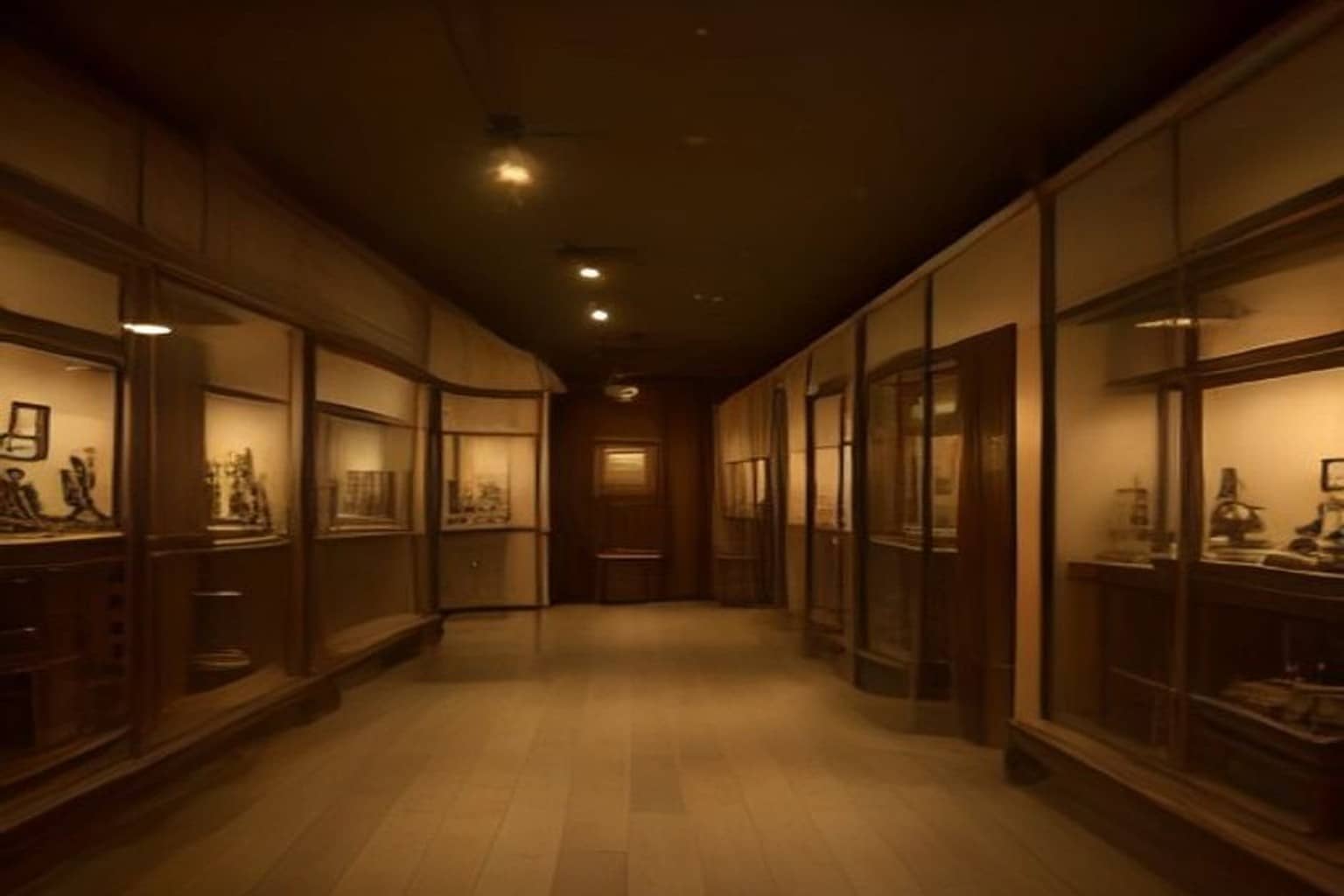
The permanent exhibition, the collection page says, grew out of Arya's collection and holds over 3,000 objects, including cameras, equipment and photographic ephemera, covering more than 200 years of photography. The page says the display includes more than 2,500 antique cameras from over 100 countries, among them what it calls the tiniest camera on earth and the oldest, dating to the 1870s.
The group visits page uses bigger numbers, mentioning over 4,000 cameras and equipment dating back to the 1850s. Dalimss News is reporting both figures as the museum publishes them. The museum does not explain the difference, so treat the numbers as approximate.
What to look for inside, and how groups can book
Beyond cameras, the archive includes the Kulwant Roy Collection, which the museum says has been recognised as a National Collection by the Union Ministry of Culture. It holds images of India's freedom fighters and early leaders and has been shown in India and abroad with the government and the Indian Council for Cultural Relations.
There is also a section of vintage photography advertisements from camera makers and film roll manufacturers dating from the 1880s, along with historic patents. A newer gallery, Ghar Ki Kahaniyan, described as a museum of families and stories, displays family photographs, handwritten letters, postcards, heirlooms and textiles contributed by individuals and families.
The interactive pieces are what tend to hold children's attention. The group visits page lists working demonstrations of a pinhole camera, a camera obscura and a stereoscope, a Daylight Studio modelled on the 19th-century kind where visitors can take pictures, and a darkroom where people learn how film is developed. It also mentions projectors from the 17th century and spy and aerial war cameras from the Second World War.
The space page lists other areas that first-time visitors often miss. There is a resource centre that works as a reading library, though books cannot be borrowed, a museum shop with photography books, prints and gifts, a patio that can be booked for small events, and a cafe called Ingri at Museo.
For schools and offices, the museum offers curated walks with its photography team, audio guide tours and cyanotype workshops. Cyanotype is a simple sun-printing process in which you place leaves, flowers or objects on light-sensitive paper and expose it to sunlight. The museum offers a pre-coated version, an immersive version where participants coat the paper themselves, and a demonstration for larger groups.
The group visits page says the museum hosted more than 65 visits from educational institutions between 2019 and 2023. Schools and corporates are asked to write to the museum's email addresses listed on the page to book.
For a first visit, plan about two hours. Start in the permanent gallery, take the audio guide if you want the stories behind the objects, spend time in the darkroom and Daylight Studio, and finish in the resource centre or the cafe.
If you time your first visit right, you can combine it with a programme. Dalimss News' Museo Camera events guide for 17 to 24 October lists talks, music and a book exchange, and the Seamus Murphy exhibition report covers the photography show on until 25 October.
The membership page says donors become founding members and lists privileges such as free admission, private exhibition previews and discounted guest tickets. It does not list a fixed membership fee.
All prices and timings in this guide are as published on the museum's website on 5 October 2026. Dalimss News did not visit the museum for this piece.
Dalimss News did not receive payment or any other consideration for this article. It is independent editorial coverage.