
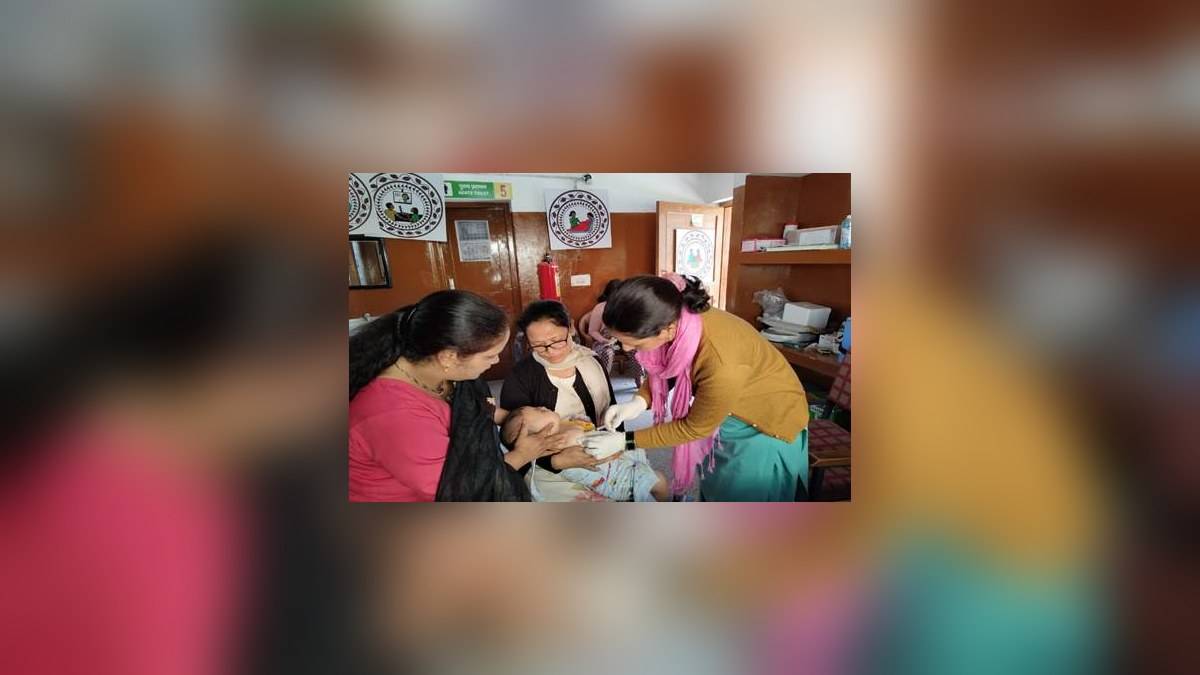
Mission Indradhanush is India's targeted immunisation initiative for children and pregnant women who have missed routine vaccinations or have not been vaccinated. It uses vaccines provided under the Universal Immunization Programme, according to the National Immunization Schedule. It is a way to reach missed families, rather than a separate vaccine with its own fixed schedule.
That distinction matters when searching for a Mission Indradhanush vaccine list. A programme name cannot tell a parent which vaccination their child needs next. The health worker needs to check the child's age and vaccination history against the applicable schedule.
| Common question | Verified answer |
|---|---|
| When did it begin? | December 2014 |
| Who is it intended to reach? | Unvaccinated and partially vaccinated children, and pregnant women |
| Which vaccines does it use? | Those under the Universal Immunization Programme, as applicable |
| Does an old campaign notice give the next local date? | No. Confirm the session with local health staff |
What is Mission Indradhanush and who does it help?
The National Health Mission's immunisation page says the initiative was launched in December 2014. It focuses on places with low immunisation coverage and areas that are difficult to reach, where more children remain unvaccinated or only partly vaccinated. The wider Universal Immunization Programme provides vaccination free of cost.
The programme's operational guidelines describe why an ordinary session calendar may fail to reach everyone. They identify migrant families at construction sites and brick kilns, nomadic populations, urban slum communities and areas with inadequate services. These examples explain the outreach approach: health teams have to locate families and plan delivery around gaps in access.
The NHM health worker FAQ describes four guiding principles: identifying unvaccinated people, checking vaccination status, planning delivery and vaccinating those missed. For a parent, the status check is especially useful. It makes the discussion about the child's actual record rather than a general assumption that every child needs the same thing.
Which vaccines are included under Mission Indradhanush?
The official operational guidelines link Mission Indradhanush to all vaccines provided under the Universal Immunization Programme. The ministry's later explanation of Intensified Mission Indradhanush 5.0 also says the campaign aimed to improve coverage for UIP vaccines according to the National Immunization Schedule.
There are therefore two different questions to ask at a centre: which vaccines the public programme provides, and which of them are due for this child or pregnant woman. An answer to the first question is not an individual vaccination plan. Age, previous vaccinations and the schedule still need to be checked by the vaccination team.
For an overview of routine timing, see our government vaccination schedule guide. Mission Indradhanush addresses gaps in that routine coverage. A family should not postpone a routine visit simply because it is waiting to hear about a special campaign.
Why do some notices say two years and others five years?
The older NHM FAQ describes the mission's focus on children up to two years and pregnant women. The Health Ministry release of 12 October 2023 explicitly says IMI 5.0 included children up to five years, whereas previous campaigns included children up to two years. Those statements refer to different stages of the initiative.
The same release says IMI 5.0 was conducted across all districts and placed particular emphasis on measles and rubella vaccination coverage. These are documented features of the 2023 round. They should not be read as confirmation that an identically named round is running locally now.
For example, that release lists rounds in August, September and October 2023, with later completion planned in four states. A screenshot containing those dates is historical information. It does not establish a vaccination appointment in November 2026. Confirm the next session's place, date and arrangements with the local health facility or frontline health worker.
What should families check before and after a visit?
Have the vaccination record ready for the health worker to review and ask which entries remain incomplete. The operational guidelines call for immunisation cards to be updated with vaccines administered at the session. Before leaving, ask the team to explain the recorded vaccination and when to return.
If a vaccination was missed, ask the vaccinator to review the schedule rather than deciding to start everything again. The NHM FAQ says a delayed subsequent vaccination does not by itself require restarting the series. This is a general programme principle, not permission to choose the next vaccine or its timing without professional assessment.
Readers with a medical condition, or concerns about a child's condition or previous reaction, should consult a qualified doctor. For record keeping, our U-WIN guide explains appointments and certificates. Our ABHA explainer covers the different purpose of a digital health record identity.