
VARANASI: Health department figures reported on Thursday, November 26, 2026, put Varanasi district's dengue count at 176, including 120 cases detected over a 55 day period in October and November. The update affects households across the city and rural areas, with officials continuing mosquito control work in identified hotspots.
The figures describe 126 urban patients and 50 rural patients. Reports also describe increased demand for platelets at the BHU campus blood bank and another local blood bank. These are separate indicators: the district case count does not show how many people are currently admitted, and increased demand does not establish a shortage.
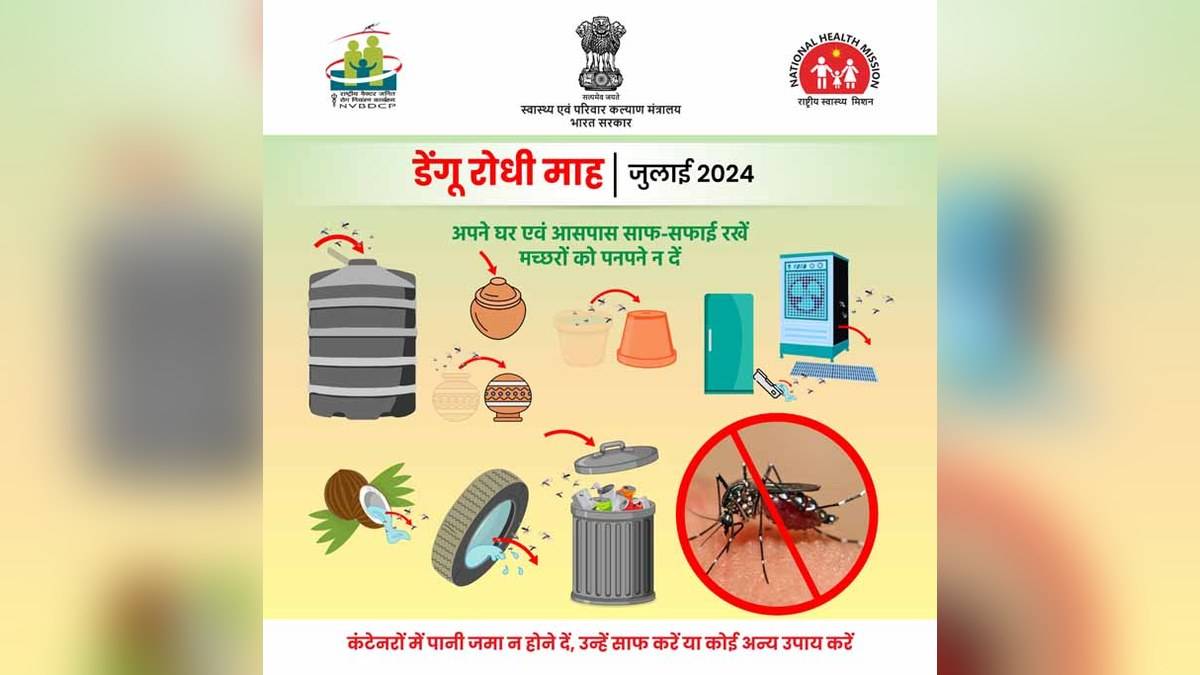
Residents should check water collecting around their homes and use protection against mosquito bites during the day. District malaria officer S.C. Pandey has emphasised removing breeding places and cleaning containers. National guidance gives households a specific routine: empty water from coolers and other small containers at least once a week.
What the November 26 figures show
The local update compares 56 cases over 90 days from July to September with 120 cases over the following 55 days. Both accounts opened for this report give the same district total and urban and rural split. These are reported detections across two periods of different lengths, rather than two comparable monthly totals.
Chief medical officer Dr N.P. Singh said testing had increased compared with the previous year. That qualification matters when reading the numbers: more detected cases alone cannot establish how much underlying transmission changed. The available accounts do not give the number of tests conducted in either comparison period.
Singh also described regular spraying in hotspots and continuing larval surveys. Pandey said areas within 17 urban wards had been identified for attention. The accounts do not provide a common, independently confirmed ward by ward case table, so the district total should not be read as a count for any particular neighbourhood.
- District total reported on November 26: 176 cases.
- Urban and rural split: 126 and 50 respectively.
- July to September comparison: 56 detections over 90 days.
- Subsequent comparison period: 120 detections over 55 days.
- Urban wards identified for focused attention: 17.
Separate reporting on the municipal response says fogging was carried out at 282 locations between September 1 and November 22. That describes activity over a past period. It does not establish that each household has been covered, that a particular street will receive a visit on November 27, or that breeding containers have been removed.
What residents should do
The National Center for Vector Borne Diseases Control's vector control guidance places source reduction alongside personal protection. It calls for detecting and eliminating breeding sites, covering stored water, managing rooftops and observing a weekly dry day. Households can use that routine to inspect containers rather than relying only on outdoor fogging.
The centre's household precautions specifically identify coolers and small containers for weekly emptying. Its description of Aedes breeding places also includes buckets, pots, plant saucers, tanks, bottles, roof gutters and refrigerator drip pans. Even a small amount of water in a container can provide a breeding place.
For protection from bites, the national guidance recommends clothing that covers arms and legs and mosquito nets or repellents during daytime sleep. Its vector control page specifically mentions nets for infants and young children sleeping during the day. Aedes mosquitoes bite during daytime, so precautions should extend beyond the hours when a family normally uses a bed net at night.
The centre lists sudden high fever, severe frontal headache, pain behind the eyes, muscle and joint pain, nausea and vomiting among dengue symptoms. Those symptoms require medical assessment rather than a household diagnosis based only on the district figures. The guidance separately identifies frequent vomiting, bleeding, unusual sleepiness or restlessness, a rapid weak pulse and difficulty breathing among severe symptoms.
Care information and what remains unconfirmed
Families arranging care can consult the site's Varanasi hospital guide. Recent service changes should also be checked separately: earlier coverage describes the Kabir Chaura hospital's move of 152 beds to its MCH wing and the revised BHU gynaecology OPD arrangements. Those reports concern service locations and schedules, and do not establish a dedicated dengue admission route.
The November 26 accounts do not give a daily admissions total, a verified platelet stock position or a new public appointment timetable for dengue testing. The immediate confirmed response remains hotspot spraying, larval surveys and household prevention. The national guidance linked above supplies the practical precautions; it is background advice and is not the source of Varanasi's newly reported case figures.