Media Ethics Under Scrutiny: Local Commentary Triggers Debate on Accountability and Press Credibility in Varanasi
VARANASI, INDIA — A strongly worded opinion piece published in a prominent local Hindi daily has sparked widespread discussion across Varanasi's media, civic, and administrative circles regarding journalistic ethics, public trust, and institutional accountability.
The commentary forcefully argues that individuals who misuse press credentials for personal leverage, coercion, or financial gain are severely eroding the credibility of mainstream media and undermining the fourth estate's democratic purpose.
The Call for Scrutiny and Professional Self-Regulation
The published piece highlights growing concerns over fake or unethical operators leveraging press identities to pressure local officials, small business owners, and private individuals.
Key arguments presented in the article include:
Erosion of Public Trust: Misrepresentation and unethical tactics by rogue operators create a pervasive stigma, harming the reputation of dedicated reporters working in the public interest.
Call for Strict Verification: Urging media houses, press associations, and local enforcement authorities to enforce stricter scrutiny over press cards, media accreditations, and digital media credentials.
Impact on Working Journalists: Ground-level journalists face increasing skepticism and hostility from both the public and administrative bodies due to the misconduct of a few bad actors.
Media Experts Advise Caution and Due Process
While acknowledging the need to root out extortion and corruption, senior media scholars and press freedom advocates emphasize that accusations must be handled with utmost care and verified evidence.
Experts caution that broad, sweeping generalizations against the press risk delegitimizing legitimate investigative reporting and chilling editorial freedom. They advocate for:
Evidence-Based Action: Handling complaints against media personnel through transparent investigations and clear legal due process.
Robust Self-Regulation: Strengthening press councils, journalistic bodies, and newsroom ombudsmen to enforce ethical standards internally.
Protecting Press Freedom: Ensuring that anti-extortion measures are not weaponized by authorities or powerful entities to silence critical or independent voices.
Related Stories
Gurugram Court Gives 20-Year Term in POCSO Case
Gurugram Logs 71 Percent Excess Rain in Weekly IMD Spell
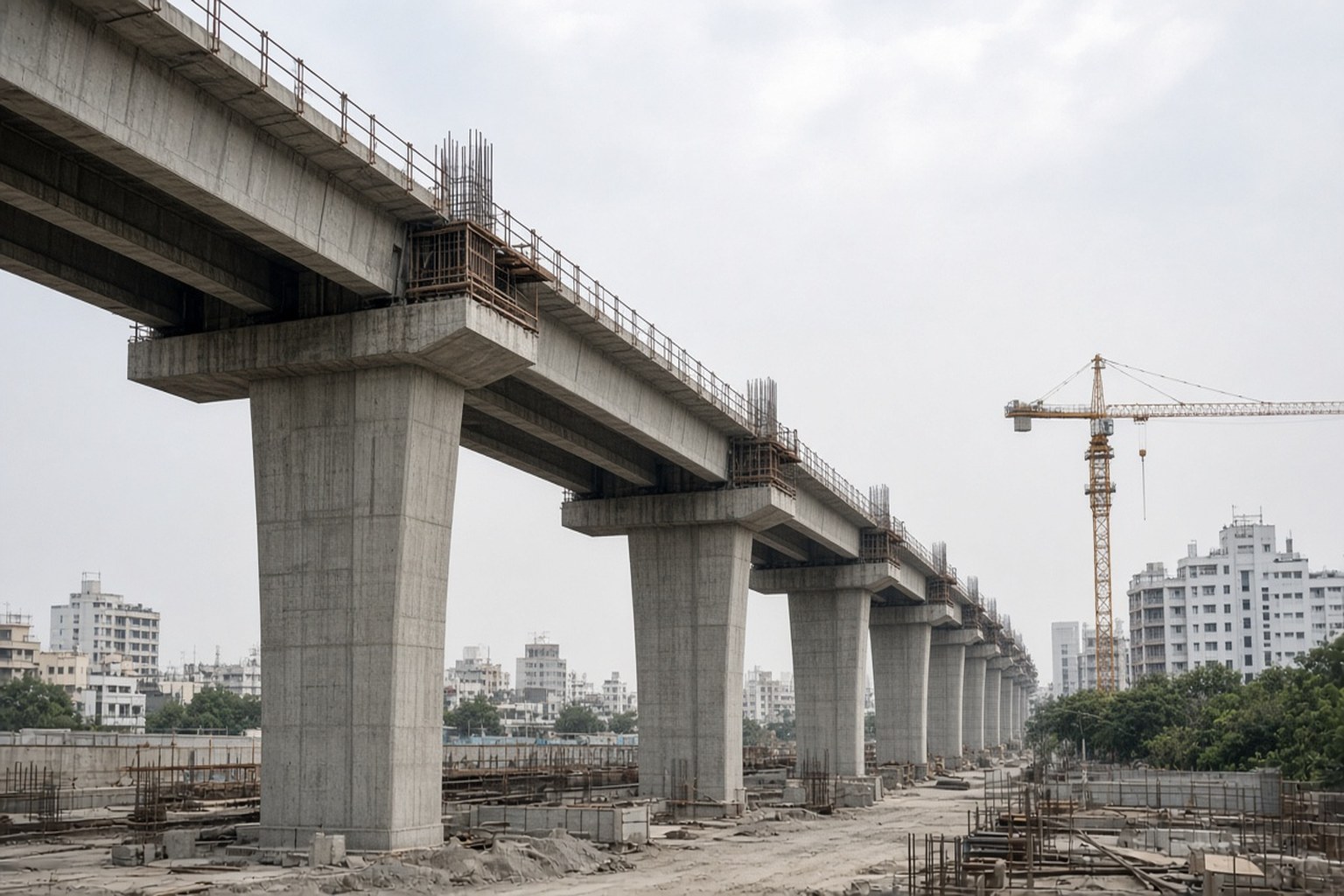
GMRL Seeks 40,254 Sq M HSVP Land for Metro Stations
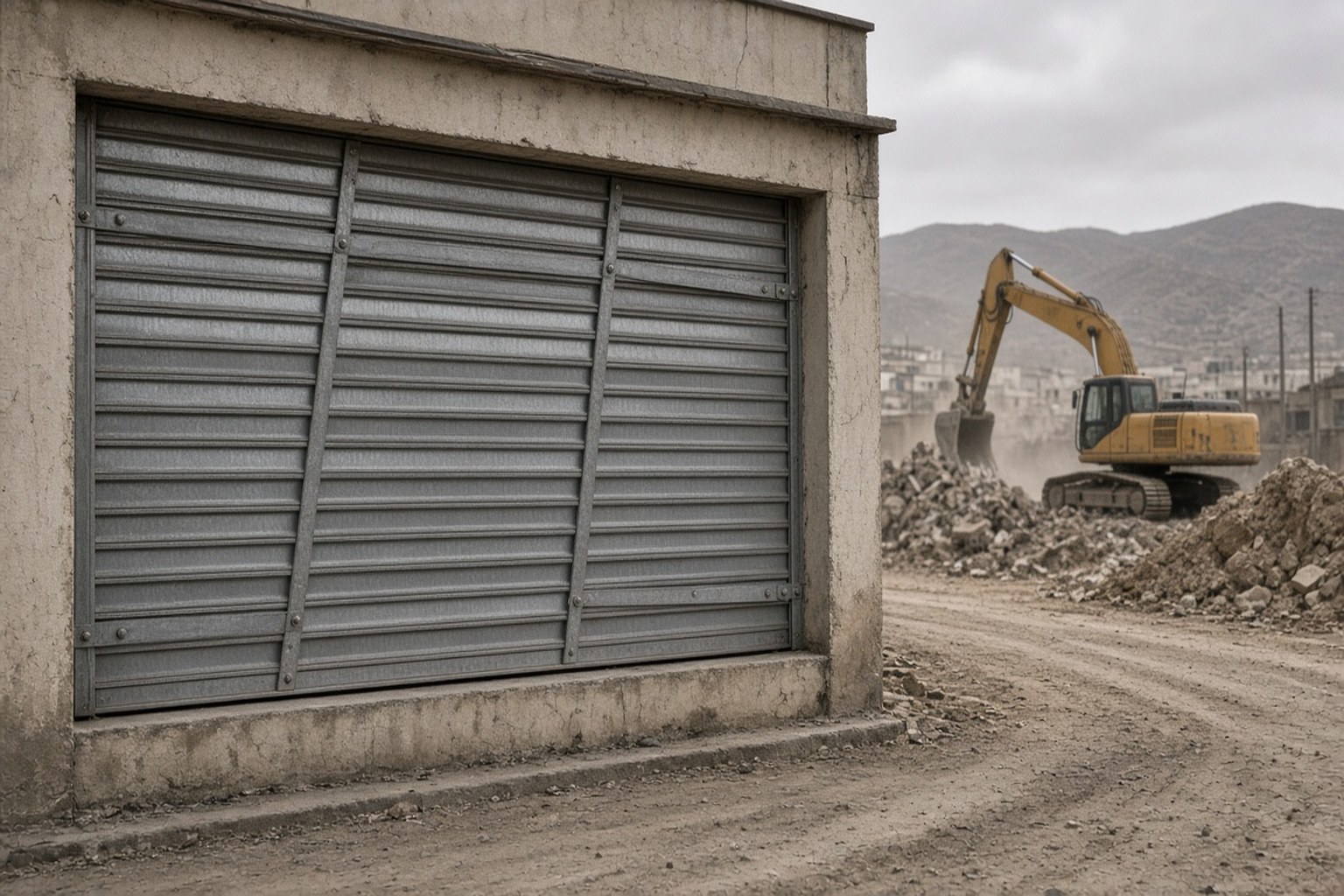
DTCP Seals 27 Buildings, Over 240 Rooms in Colony Drive
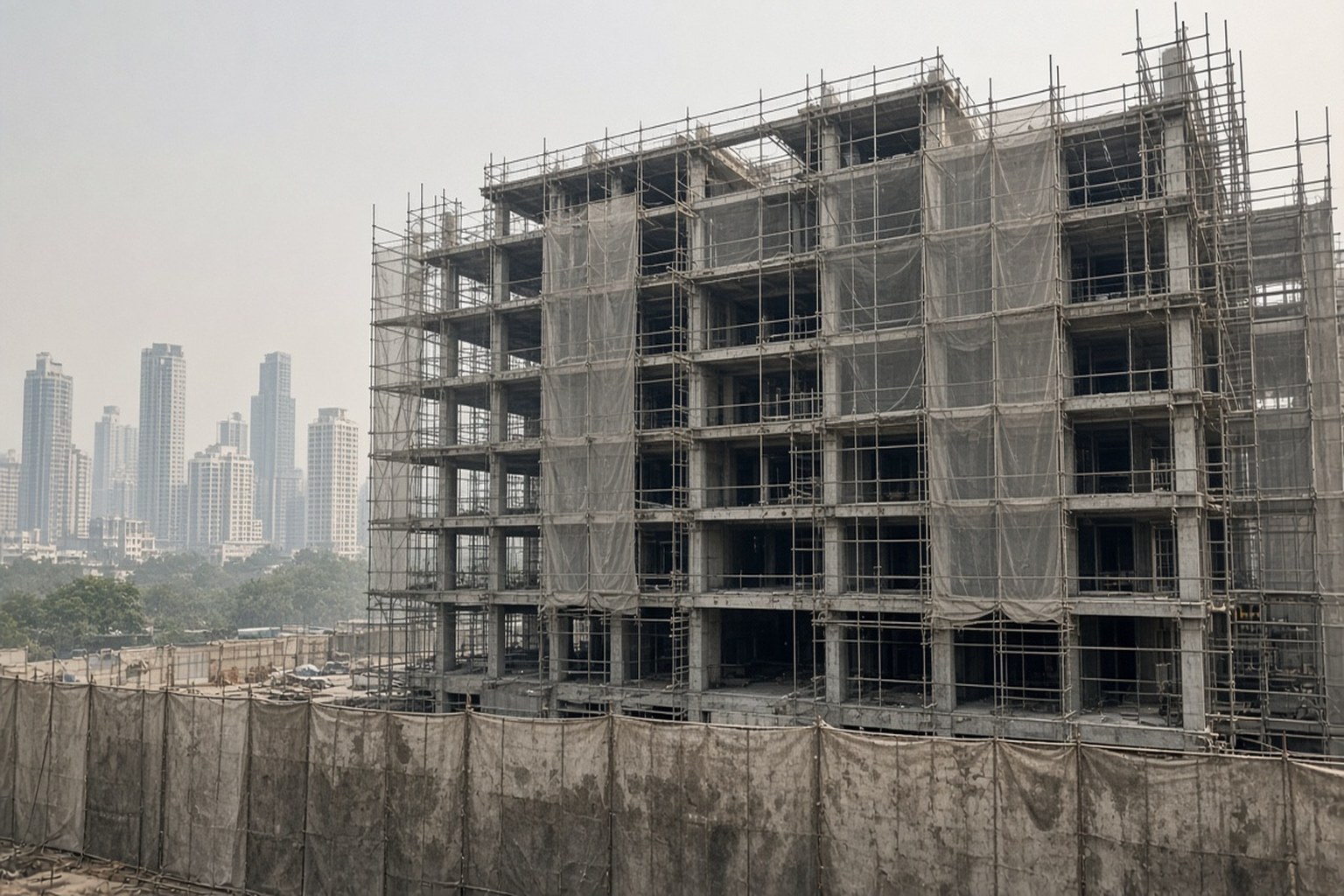
HSPCB Gives Sites Four Days to Install Dust Webcams