MCG Cuts Small-Load Construction Waste Fee to Rs 50 Per Tonne
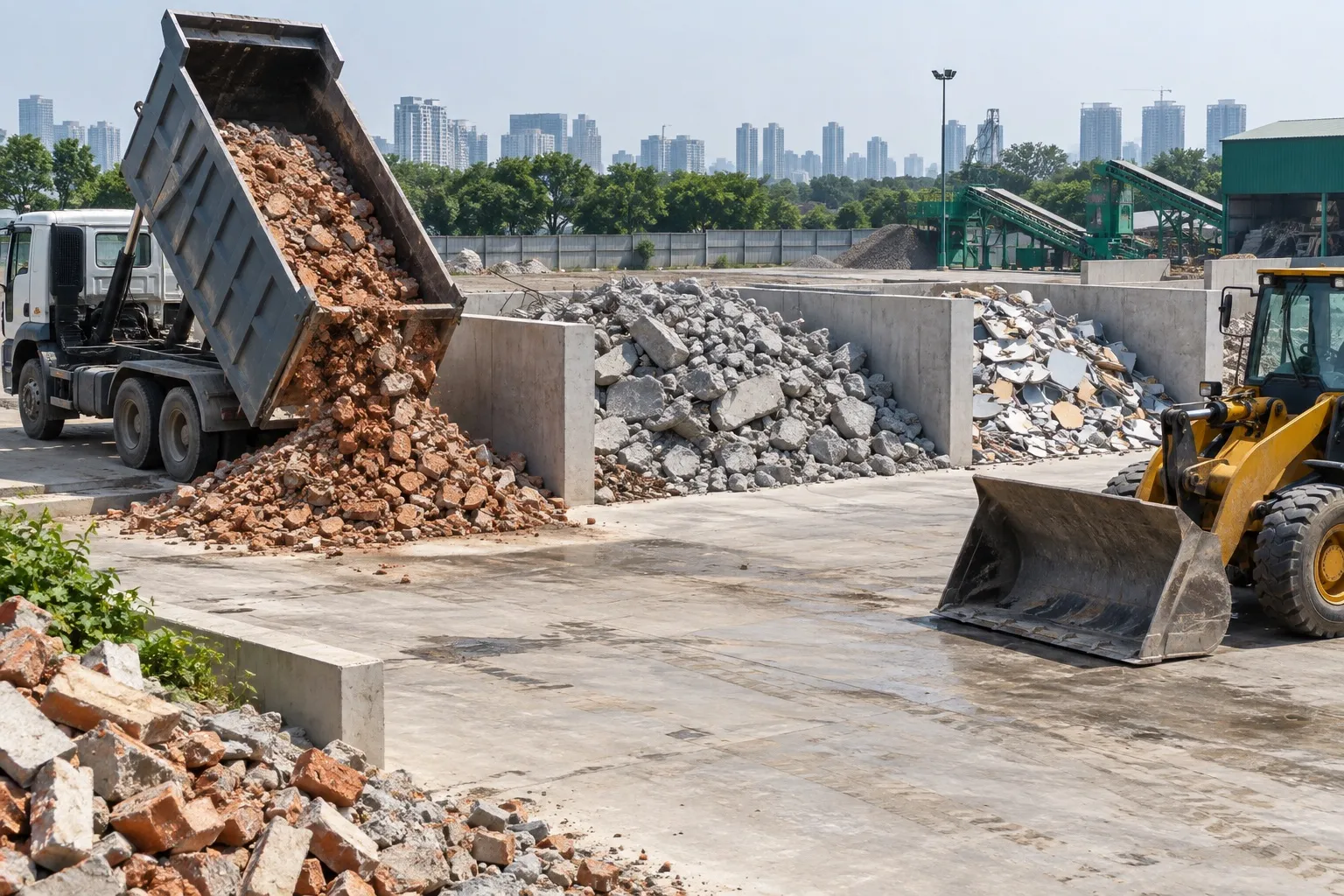
GURUGRAM: Households and small builders will pay Rs 50 per tonne to dispose of construction and demolition debris through the authorised municipal system after the Municipal Corporation of Gurugram cut the charge from Rs 360. The steep reduction is intended to make legal disposal easier than tipping broken tiles, concrete and plaster onto a vacant plot.
The revised rate applies to non-bulk generators, who can either take debris to the Basai processing plant or request collection from their premises through the civic system. A dedicated pickup portal is operational, according to municipal officials. The practical success of the policy will depend on how quickly a booking produces a vehicle, since a cheap service that arrives late still leaves residents looking for an informal carrier.
Bulk generators will now pay Rs 360 per tonne whether their material is segregated or mixed. Earlier, the charge was Rs 360 for segregated loads and Rs 720 for unsegregated waste. Large generators must arrange transport to Basai themselves, which keeps the corporation from subsidising haulage for commercial-scale construction.
Price cut targets roadside dumping
Gurugram's building cycle creates large volumes of masonry waste that can block drains, narrow service roads and add dust to already polluted air. MCG officials said more than seven lakh tonnes reached the Basai plant during 2025. Bulk producers delivered 3.66 lakh tonnes, while the civic body accounted for the remaining material.
The new tariff removes one excuse for illegal dumping but does not remove the need for enforcement. Municipal teams will still need to trace loads left on green belts and road edges, identify the generator and recover the cost of lifting. Pickup receipts and weighbridge records can create a chain of custody from renovation site to processing plant.
Segregation also remains important despite the common bulk rate. Clean concrete and brick can be processed more efficiently than a load mixed with plastic, wood and municipal waste. Contractors should not read the revised charge as permission to combine everything simply because the fee no longer doubles.
Fourteen committees get monitoring role
The same House meeting approved 14 ad hoc committees covering sanitation, public health, drainage, roads, fire services, water supply, building regulation, audit, taxation, markets, social welfare and other municipal functions. Councillors will serve as chairpersons and members, review services and make recommendations.
Committees can improve scrutiny only if they meet, record attendance and publish decisions. Their first useful assignment on C&D waste would be to review pickup response times, ward-wise volumes, illegal-dumping complaints and the actual capacity used at Basai each month.
The House also cleared transfer of 1,445 square metres of municipal land in Sector 7 for entry and exit structures on the Gurugram Metro's Priority-2 corridor. Other resolutions included a community centre in Ward 1 and a two-year road-repair programme using six vehicles.
For residents renovating a bathroom or rebuilding a boundary wall, the headline change is the Rs 50 rate. MCG now has to make that rate visible at the point of service and ensure no unofficial charge appears between a portal request and the weighbridge. Lower pricing can shift behaviour, but only reliable collection will keep the debris off Gurugram's roads.
Sources and reporting
Based on resolutions approved at the Municipal Corporation of Gurugram general House meeting on 11 September 2026.
Related Stories

AP TET 2026 results released; check the correct examination cycle
Supreme Court Sets January 1 Deadline to Vacate Unsafe Chintels Flats

Human Rights Panel Orders Citywide Audit of Gurugram Drains
Manesar Demolishes Unauthorised Concrete Plant in Nawada
Gurugram Sanitation Workers Return as Haryana Strike Ends