A Lok Adalat is a forum where parties can settle a dispute by agreement, including a suitable case already in court or one that has not yet been filed. In an ordinary Lok Adalat, the members help the parties reach a compromise; they cannot force a settlement or decide the dispute on their own. If an award records the settlement, it has the force of a civil court decree and is final and binding.
| Question | Ordinary Lok Adalat rule |
|---|---|
| Court fee | No fee for filing the matter in Lok Adalat |
| Pending court case | Can be referred where suitable |
| Before a court case | Pre litigation referral is possible |
| Settlement | Must be voluntary |
| Ordinary appeal against award | No appeal lies |
Which cases can go to Lok Adalat?
The National Legal Services Authority's official guidance explains that Lok Adalats have statutory status under the Legal Services Authorities Act, 1987. They are organised through legal services institutions. Their purpose is to help resolve eligible disputes amicably, rather than require every disagreement to proceed through a contested trial.
NALSA's official FAQs identify civil cases and compoundable criminal cases as categories that can be settled. Compoundable means the law permits the particular offence to be resolved through the applicable compromise procedure. A person should therefore ask the referring court or legal services authority whether the specific offence qualifies, rather than assume that all criminal cases can be closed by agreement.
There are exclusions. NALSA states that divorce matters and offences that are not compoundable cannot be referred to an ordinary Lok Adalat. A family dispute is not automatically the same thing as a divorce proceeding. The nature of the relief sought matters, and the institution handling the referral should confirm whether the case is suitable before the parties prepare for a settlement sitting.
How to get a case referred to Lok Adalat
If a suitable case is already pending, a party can ask the court concerned about referring it. NALSA's FAQ specifically describes this route. Take the existing case details when enquiring so that the request relates to the correct proceeding. A general search for a Lok Adalat token does not establish whether your particular matter is on a settlement list.
For a dispute that has not reached court, NALSA says the State Legal Services Authority or District Legal Services Authority may receive an application from either party and refer the matter for an amicable settlement. Notice is then issued to the other party. One side can initiate the request, but that request alone does not establish that the other side has accepted any proposed terms.
For preparation, keep the relevant notice, correspondence, account records or other dispute papers together, along with the other party's details. This is a practical preparation checklist, not a uniform statutory document list. Ask the local authority which documents, copies and attendance arrangements it requires. The national guidance does not provide one nationwide online token process for every kind of case.
Lok Adalat fees and the effect of a settlement
No court fee is payable when a matter is filed in a Lok Adalat. Where a pending court case is referred and subsequently settled, NALSA says the court fee originally paid on the complaint or petition is refunded. That is a procedural benefit tied to settlement; it is not a cash assistance scheme or a promise that every party will receive an identical amount.
The members act as conciliators. They can encourage agreement and assist the parties independently and impartially, but must not pressure or coerce anyone. NALSA also says parties are not required to engage an advocate for the Lok Adalat. Even so, a party who does not understand a proposed term should seek clarification before accepting it, especially where payment dates, property rights or future obligations are involved.
An agreed award is deemed a civil court decree. NALSA describes it as final and binding, with no ordinary appeal against the award. This is why the exact written terms matter. Check the amount, the person responsible, the performance dates and what happens to the underlying dispute. Do not treat signing as a way to reserve an unrestricted opportunity to argue the same merits again later.
If the parties do not agree in an ordinary Lok Adalat, the members cannot impose their own resolution. NALSA's FAQ distinguishes this from the binding effect of a completed compromise award: without agreement, the appropriate court or forum remains the route for pursuing remedies. A failed settlement discussion and a signed settlement award have different legal consequences.
Is Permanent Lok Adalat the same thing?
No. Permanent Lok Adalats for public utility services operate under a separate part of the Act. NALSA explains that, subject to their legal jurisdiction, they may decide a dispute on merits when conciliation fails. The ordinary Lok Adalat rule that members cannot impose a decision should therefore not be applied indiscriminately to a Permanent Lok Adalat application.
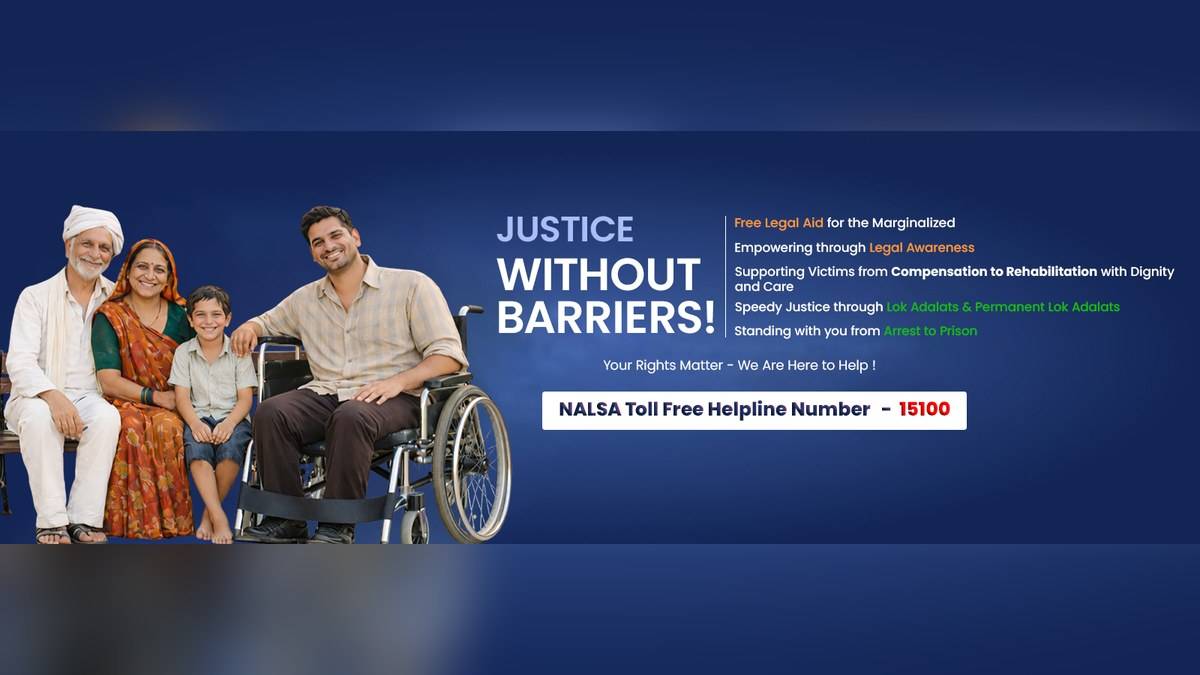
For local dates and referral arrangements, start with the concerned court or district legal services authority. NALSA's website lists the legal services helpline 15100. No specific upcoming sitting, token release time or guaranteed settlement discount is announced in this guide. The national guidance and FAQs were checked on 10 November 2026 at 21:58 IST.
Related guides explain free legal aid eligibility, consumer complaint filing and RTI applications and status. Those procedures serve different needs; use the dispute's actual subject and current stage to identify the appropriate route.