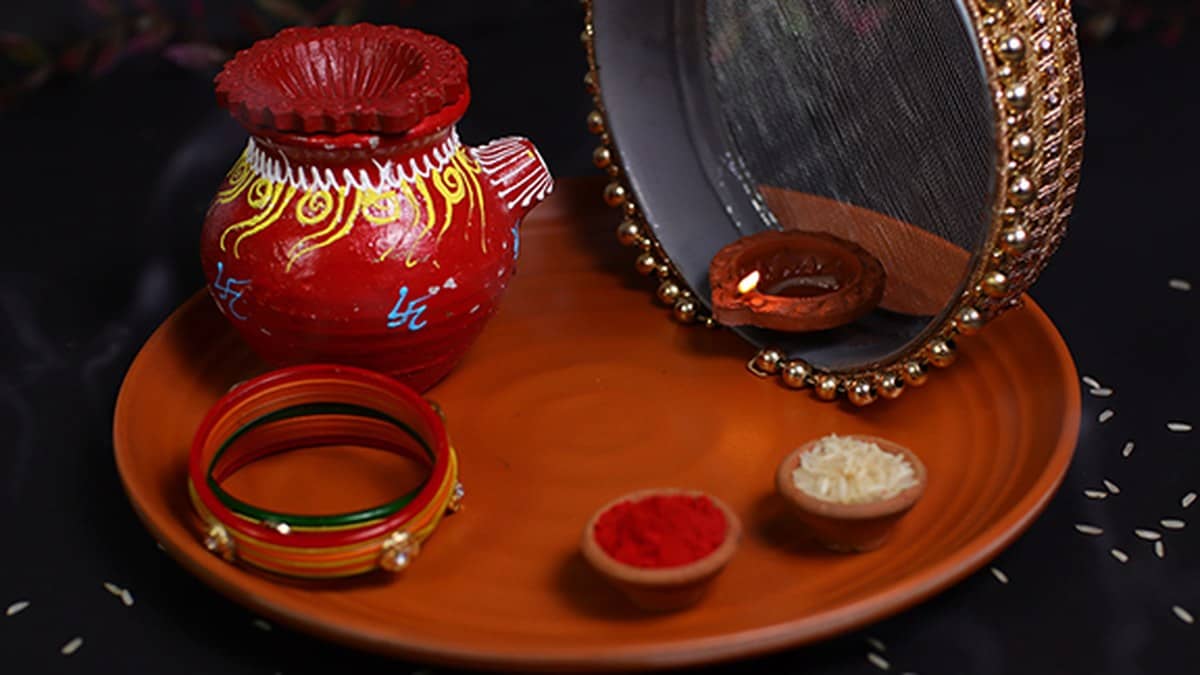
Karwa Chauth falls on Thursday, 29 October 2026, according to the official 2026 holiday list published by the Principal Controller of Communication Accounts, Delhi. The entry appears as Karaka Chaturthi under restricted holidays. That confirms the calendar date, but it does not establish a nationwide closure of schools, offices or banks, or provide a puja muhurat.
| What readers want to know | Verified information |
|---|---|
| Festival date | 29 October 2026 |
| Day | Thursday |
| Government calendar entry | Karaka Chaturthi, also identified as Karva Chouth |
| Classification in the Delhi central-office list | Restricted holiday |
| Moonrise or puja time | Not specified in this holiday list |
What is the official Karwa Chauth 2026 date?
The CCA Delhi holiday page explicitly covers central government administrative offices in Delhi and New Delhi. Its date column gives 29 October, with Thursday in the adjoining column. The list separates gazetted holidays from restricted holidays, so readers should retain that distinction when using it to plan leave.
A second government reference, the CAG's New Delhi holiday page, places the same festival and date in its restricted-holiday table. The agreement between the two lists supports the date. Neither entry is a school-calendar notification or a bank-specific closure notice.
When looking up a notice, check the year, issuing office and heading above the table. A cropped calendar row can preserve the date while losing the information about whom it applies to. Keep the complete notice available if you need to discuss leave or an appointment with an employer or institution.
Is 29 October a school or office holiday?
The verified answer is limited to the classification in the cited government calendars. Those pages do not declare a holiday for every workplace in India. Before changing an attendance plan, consult the notice issued by your own school, employer or relevant authority. A festival date and an institution's working-day decision are separate pieces of information.
For a family coordinating several schedules, write down each person's confirmed arrangement separately. A parent's approved leave should not be used to infer a child's school closure. Likewise, do not cancel a scheduled appointment merely because a festival appears in a general list. Check the organisation's own notice first.
How is Karwa Chauth observed?
The Ministry of Tourism's Incredible India account of Karva Chauth describes a festival associated with prayers for a spouse's well-being and longevity. It records observance particularly in northern India, including Punjab, Haryana, Himachal Pradesh, Uttar Pradesh and Rajasthan, and describes fasting from sunrise until moonrise as part of the tradition.
The account explains the name through the earthen vessel used in the observance and the reference to the fourth day. Its descriptions include sargi before sunrise, gatherings for prayers and storytelling, and offerings connected with viewing the moon. These are accounts of religious customs, rather than medical claims or instructions that every household must follow identically.
The regional examples also differ. The Punjab description includes a gathering with decorated thalis and devotional songs. The Uttar Pradesh account mentions feni, sweets, dry fruits and fara in its description of sargi, along with evening prayers among neighbours. Ask the household hosting you which customs it follows before preparing a shared gathering.
Where are the moonrise time and puja muhurat?
No verified city-specific moonrise time or puja muhurat is supplied by the holiday lists used for this guide. Their purpose is to identify holidays. The tourism description explains the role of moonrise in the ceremony, but that does not turn its narrative into an astronomical timetable.
Before relying on any timing, look for a source that explicitly names the city, date, year and type of timing. A number labelled moonrise should not automatically be relabelled a puja muhurat. If a forwarded message supplies only a clock time, the missing context needs checking before it becomes the basis of the evening's arrangements.
For practical preparation, confirm the gathering location, the host's preferred arrival time and who is bringing any shared items. These are planning suggestions, not religious requirements. Keeping them separate from the festival date makes it easier to revise a family plan without confusing an informal invitation with an official calendar entry.
For more local cultural coverage, see our reports on Saraswati Puja preparations in Varanasi, a family visit to Ganga Aarti, and BHU's tourism and hospitality centre.