Chhath Puja is listed on Sunday, 15 November 2026, in the central government holiday calendar published by the Principal Controller of Communication Accounts, Delhi. The entry is for Pratihar Shashthi or Surya Shashthi. Chhath itself is a four-day observance, so this single calendar entry should not be mistaken for the complete sequence of household preparations and offerings.
| Calendar question | Verified answer |
|---|---|
| Listed Chhath holiday | 15 November 2026 |
| Weekday | Sunday |
| Classification in the cited Delhi central-office list | Restricted holiday |
| Traditional sequence | Nahay Khay, Kharna, Sandhya Arghya, Usha Arghya |
| Local sunrise or sunset time | Not supplied by the holiday calendar |
What does the official Chhath Puja 2026 date mean?
The CCA Delhi list identifies the occasion and its date for central government administrative offices in Delhi and New Delhi. It places the festival among restricted holidays. It does not say that all schools, businesses or public services throughout India close for the full observance.
The CAG's New Delhi calendar independently lists Chhath Puja on the same Sunday. Neither cited entry establishes a substitute holiday on the following working day. Readers planning leave should check the notice that actually applies to their institution rather than infer an additional day from the weekday alone.
For a visitor joining relatives, the first practical question is which part of the observance they will attend. Someone arriving for evening offerings has a different arrangement to make from someone helping with preparations or attending the final morning ritual. Ask the host for the complete household plan before booking a return journey around a single holiday entry.
What happens on the four days of Chhath?
The Ministry of Tourism's Incredible India festival account identifies the sequence as Nahay Khay, Lohanda or Kharna, Sandhya Arghya and Usha Arghya. It describes a festival dedicated to the Sun, particularly associated with Bihar and eastern Uttar Pradesh. The four names help explain why references to an evening ceremony and a morning ceremony are both part of Chhath.
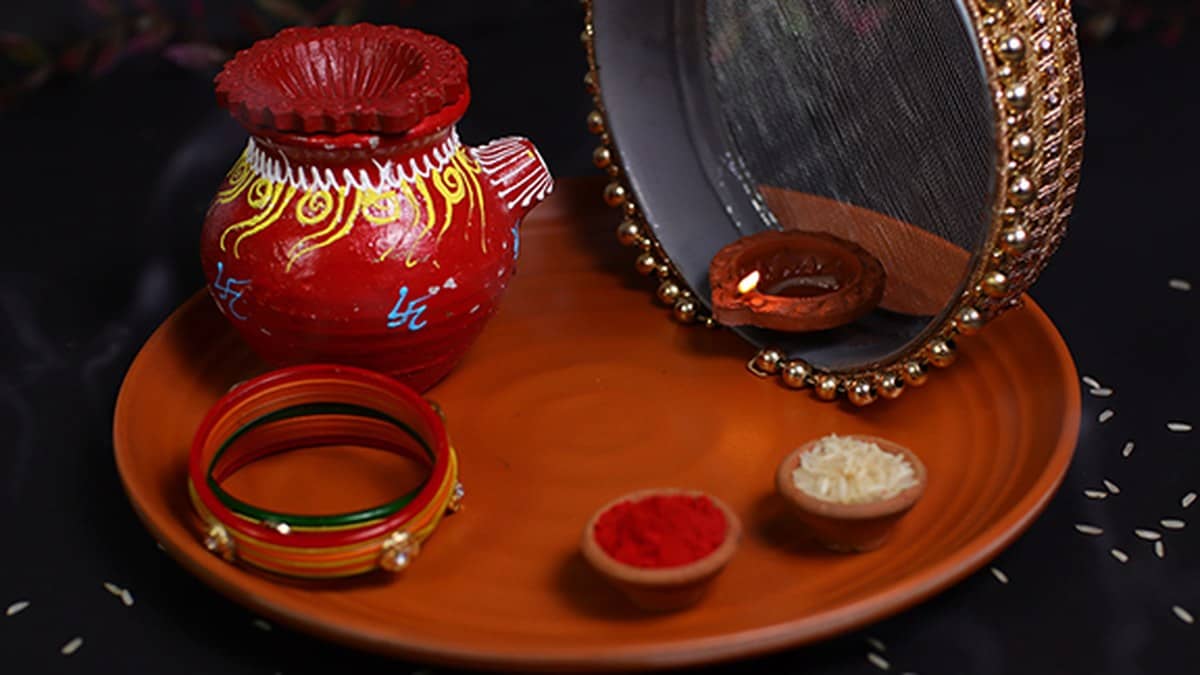
Nahay Khay begins the observance. The tourism account describes ritual bathing and cleaning the home, with water collected for offerings. Kharna follows, with an evening offering that includes kheer and fruit. These descriptions explain the tradition; they are not a prescribed schedule for every family or a substitute for the guidance of the household conducting the rituals.
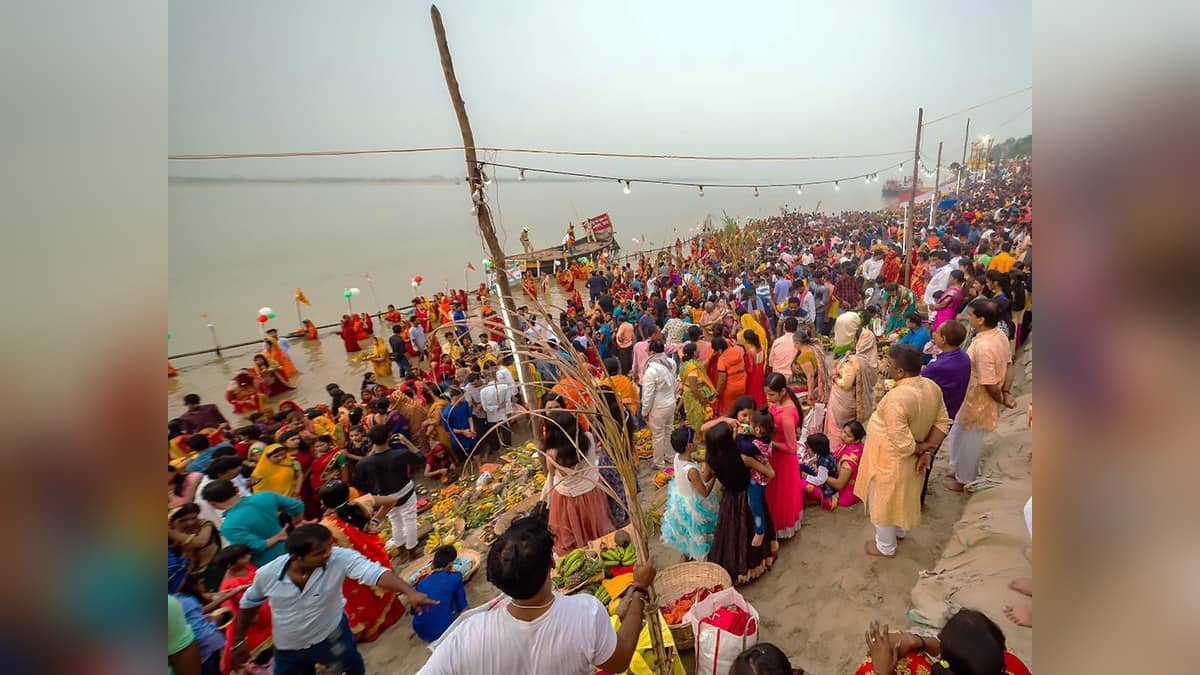
Sandhya Arghya is associated with offerings to the setting Sun. Usha Arghya is the final morning offering to the rising Sun. The tourism account describes the sharing of prasad and the conclusion of the fast after the morning ritual. Understanding this sequence is more useful for a first-time visitor than treating every photograph of a riverbank gathering as the same ceremony.
Why are the riverbank gathering and Kosi important?
Bihar Tourism's Hindi description of Chhath connects the festival with household preparation, collective worship and offerings beside water. It describes families and friends accompanying devotees, with folk songs forming part of the gathering. Its account places Chhath within the cultural life of Bihar and eastern Uttar Pradesh.
The same source describes Kosi during the night following the evening offering. Sugarcane forms a canopy, with lit earthen lamps and baskets of offerings arranged beneath it. This is a distinct part of the account, rather than another name for the final sunrise offering. Families may explain their own practices in more detail when arranging the observance.
What should visitors confirm before going to a ghat?
Confirm the chosen ghat, meeting place and the part of the ceremony you are joining. Keep the household's invitation separate from any public access notice: an invitation does not establish which entrances are open or whether a particular area is available. Check the district or municipal authority's current instructions when those are issued for the location.
The sources used here do not verify a particular ghat's arrangements, a local weather forecast, water conditions, or a city-specific sunrise and sunset timetable. No such conditions should be inferred from the festival date. A travel plan needs its own current checks, especially if a message being circulated does not identify its issuing authority or year.
For respectful participation, ask before photographing private rituals, keep the agreed meeting point clear and avoid placing belongings where they obstruct others. These are practical suggestions for visitors, not additional religious rules. Hosts can clarify what help they need with preparations and which activities they prefer guests simply to observe.
Related local reading includes Ganga Aarti at Dashashwamedh Ghat, Varanasi's Saraswati Puja preparations, and tourism and hospitality studies at BHU.