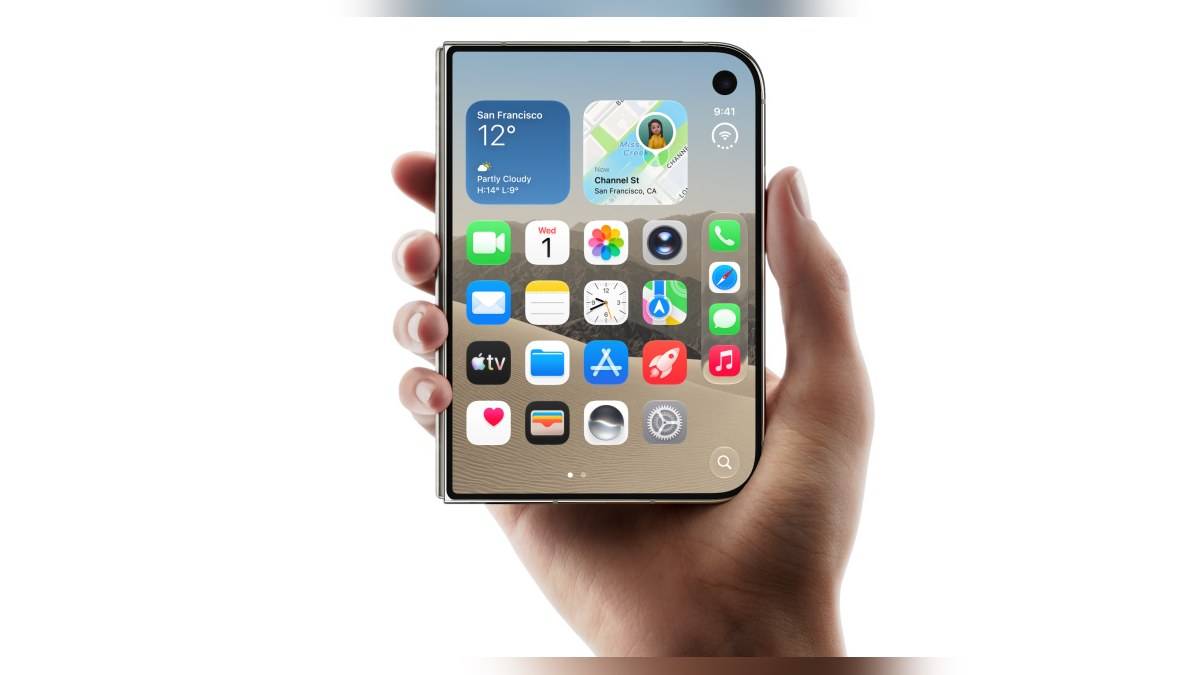
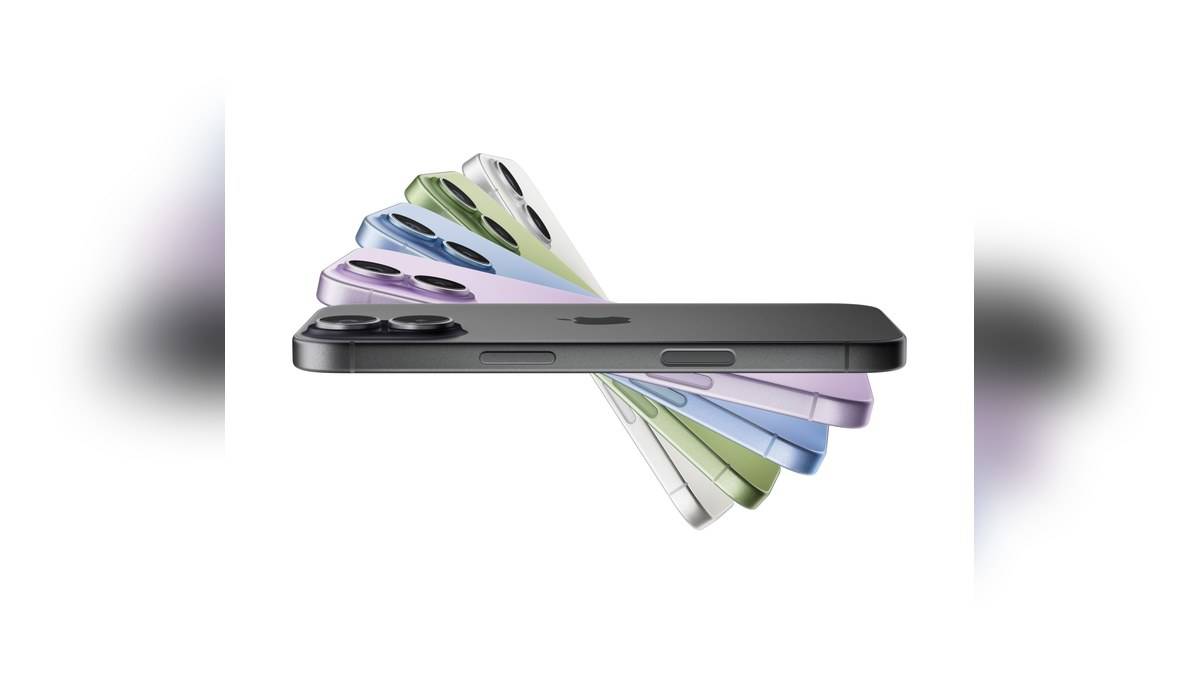
NEW DELHI: iPhone 17 has an adaptive ProMotion display rated up to 120Hz. If you prefer a lower ceiling, Apple's Motion settings let ProMotion models limit the display to 60 frames per second. That setting changes the maximum refresh behaviour; it does not change the phone's screen resolution or the storage variant you own.
| Display fact | Official specification |
|---|---|
| Panel | 6.3-inch Super Retina XDR OLED |
| Resolution | 2622 x 1206 pixels |
| ProMotion | Adaptive refresh rates up to 120Hz |
| Limit Frame Rate | Maximum 60 frames per second |
| Brightness | 1,000 nits typical, 1,600 nits HDR peak, 3,000 nits outdoor peak |
Check the setting before judging the display
Open Settings, choose Accessibility, then Motion. Look for Limit Frame Rate. Turn it on if you want the lower maximum. If the purpose is to check the phone's normal adaptive ProMotion behaviour, make sure that limit is off. Apple's user guide describes this control for models with ProMotion technology, which the iPhone 17 specification page confirms this handset has.
Keep the comparison simple. Use the same application and the same piece of content when changing the setting. Comparing a static photograph in one app with fast scrolling in another tells you little about what the control changed. A refresh specification describes the screen's capability, while the content and application determine what there is to display.
Our iPhone 17 and Pixel 10 comparison addresses a different decision about two handsets. This setting check is useful after choosing the iPhone, especially if its scrolling feels different from what you expected during a shop demonstration.
Up to 120Hz is an adaptive ceiling
Apple calls ProMotion adaptive. The published figure should not be read as a promise that every app, animation and video will continuously produce the maximum number of fresh frames. Equally, enabling a lower ceiling should not be described as permanently converting the panel into different hardware.
The distinction matters when a family member changes an accessibility preference and another person later evaluates the phone. A setting can explain a difference in motion without establishing that the display is defective. Record how the phone was configured before making a comparison, and change one preference at a time.
Apple also lists Reduce Motion in the same settings area. Its guide says turning that control on reduces interface motion, including the fluid morphing effects of Liquid Glass. It is a separate choice from Limit Frame Rate. Someone who dislikes animation may want to consider that behaviour directly rather than assuming a refresh limit solves the same problem.
After experimenting, return to Settings and confirm which option you left enabled. If you are helping another owner, tell them what changed and where to reverse it. That makes a deliberate comfort preference easier to distinguish from an unexplained change in the way the phone scrolls.
Brightness is another specification altogether
The three brightness figures in the table have different labels. Apple's outdoor peak number is not its typical brightness figure. Nor does a higher refresh ceiling mean the phone is running at outdoor peak brightness. These specifications answer different questions about visibility and motion.
For an Indian commuter, this separation is practical. Reading a ticket outside a station raises a visibility question. Scrolling through a long document raises a motion question. Watching a film raises questions about the film itself as well as the display. A single headline number cannot answer all of them.
Apple's product overview describes the iPhone 17 display as a change that brings ProMotion to this model. The phone also retains Dynamic Island and an Always-On display in its specification list. These are separate interface features, so a refresh-rate adjustment should not be confused with selecting a different screen size or a different notification design.
Both storage versions have the same published display
Apple's India store lists 256GB at Rs 99,900 and 512GB at Rs 1,24,900. Price as of 13 November 2026, 00:30 IST. These are device prices, with conditional exchange and payment benefits kept outside the figures.
| Storage | India store price | ProMotion specification |
|---|---|---|
| 256GB | Rs 99,900 | Up to 120Hz |
| 512GB | Rs 1,24,900 | Up to 120Hz |
The additional storage does not buy a higher listed refresh ceiling. Our earlier iPhone 17 price report and iPhone range price list offer the surrounding price context; this guide concerns the display control shared by the storage options.
Who this is for
This check suits existing owners who want less onscreen motion or want to understand a changed display setting. It also helps anyone comparing two iPhone 17 units configured differently. Choose the motion behaviour that is comfortable for your routine, while keeping expectations tied to an adaptive maximum rather than an assumed constant frame rate.
Official sources: Apple Motion settings guide, iPhone 17 specifications, product overview and India store.