Inside the Quiet Battle for Mental Health in Varanasi
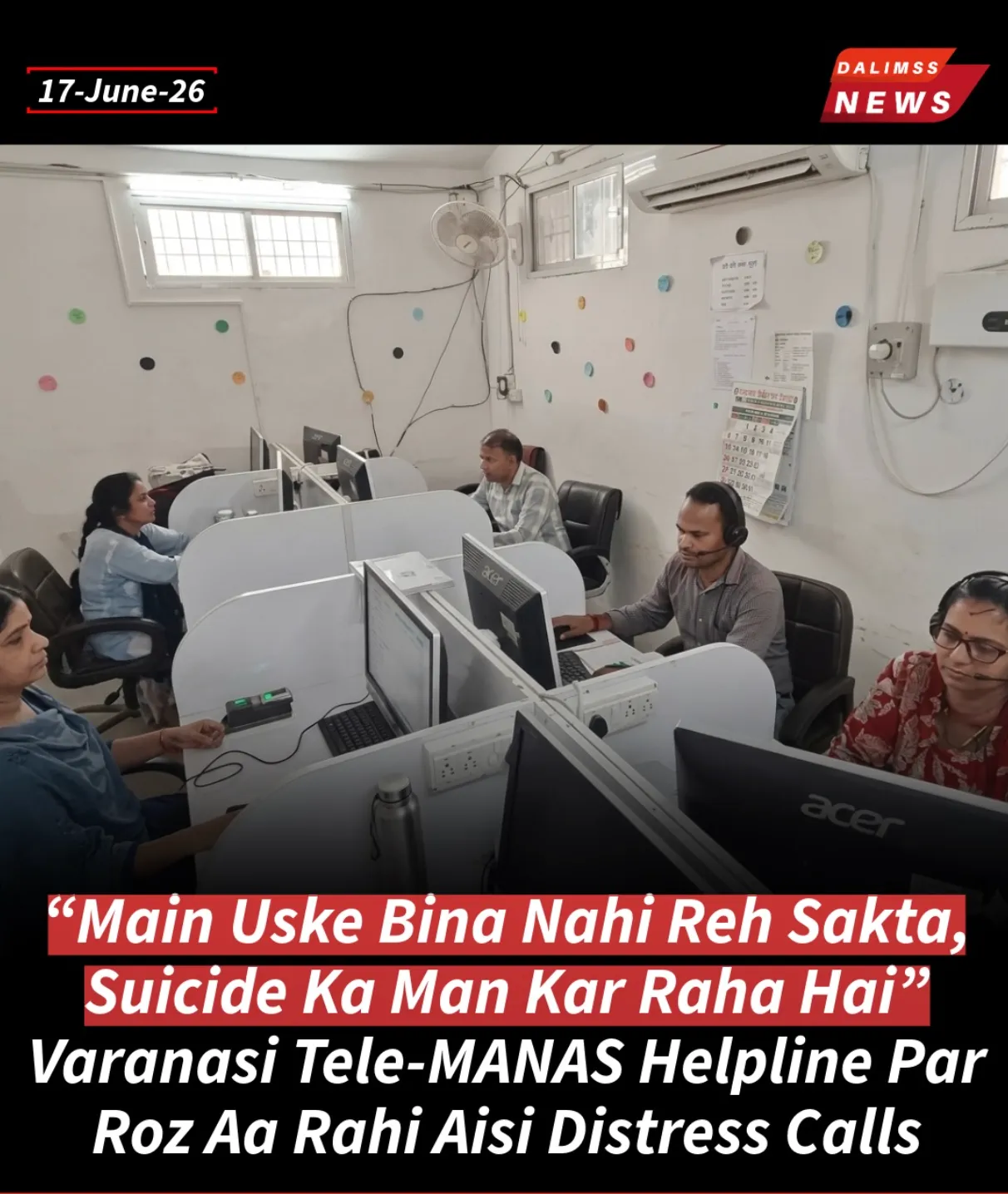
VARANASI — The phone rings at the Tele-MANAS (Tele-Mental Health Assistance and Networking Across States) cell in Varanasi. On the other end is Manoj (name changed), a young man whose voice cracks with the weight of a three-year relationship ending and the crushing realization that his partner has moved on—to his own friend.
"I can’t live without her," he confesses, his words laced with the kind of acute distress that, if left unaddressed, can spiral into tragedy.
Manoj is not an anomaly. He is one of the hundreds of voices echoing through the city’s mental health infrastructure every week. While Varanasi is globally recognized for its ancient spiritual heritage, a quiet, modern battle is being fought within the walls of its public health units: the fight for mental well-being in an increasingly high-pressure society.
A Lifeline in the Digital Age
Tele-MANAS, a government-led initiative, has become a critical lifeline for residents facing the multifaceted challenges of 21st-century life. Counselors here operate under the principles of total confidentiality, empathy, and professional support, offering a sanctuary for those who feel they have nowhere else to turn.
The nature of the distress calls reveals the evolving pressures on the local population:
Relationship & Interpersonal Conflict: As in Manoj’s case, the breakdown of personal bonds, compounded by the complexities of social media and modern dating, is a primary driver of acute anxiety.
Professional & Academic Burnout: With the competitive landscape shifting, students and young professionals frequently report paralyzing stress regarding future prospects and employment.
Family Dynamics: Multi-generational households, while traditional, often become breeding grounds for domestic friction that many feel unable to resolve without intervention.
Breaking the Stigma
One of the most significant hurdles counselors face is the deep-seated stigma surrounding mental health. Many callers hesitate for weeks, or even months, before picking up the phone.
"The goal is not just to provide immediate relief, but to normalize the conversation around mental health," says a counselor working with the local unit. "When someone calls, the first step is helping them understand that their pain is valid—that it is not a weakness to seek help."
For those struggling with suicidal ideation, the intervention is immediate. Counselors are trained in crisis de-escalation, focusing on safety planning and connecting individuals with local psychiatric services and community resources to ensure they do not have to walk their path alone.
Related Stories

The Silent Airwaves: HT Media Exits Key FM Radio Markets

Namo Ghat Transforms into Hub of Wellness Ahead of 12th International Yoga Day
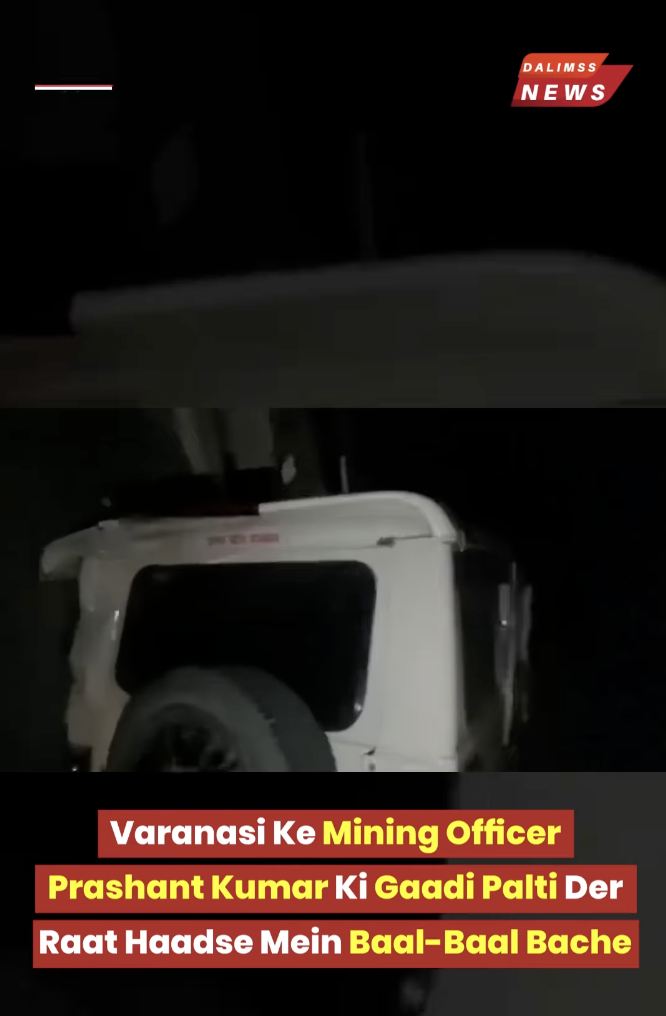
Mining Officer Narrowly Escapes Injury in Late-Night Road Accident Near Sidhauna

Breaking the Silence: New OTT Talk Show 'Let's Not Pretend' Strips Away the Illusion of Perfect Parenting

Five IAF Personnel Killed in AN-32 Aircraft Crash in Jorhat