From 20 October 2026, every product India sells to New Zealand will cross the border without customs duty. That is the headline promise of the India-New Zealand Free Trade Agreement, which both governments have now confirmed will come into force on that date, the day of Vijaya Dashami.
The date was announced on 21 September by Commerce and Industry Minister Piyush Goyal and New Zealand's Trade and Investment Minister Todd McClay after a video call, once New Zealand's Parliament had passed the enabling law on 16 September. The two ministers signed the agreement at Bharat Mandapam in New Delhi on 27 April this year.
What Indian exporters get on day one
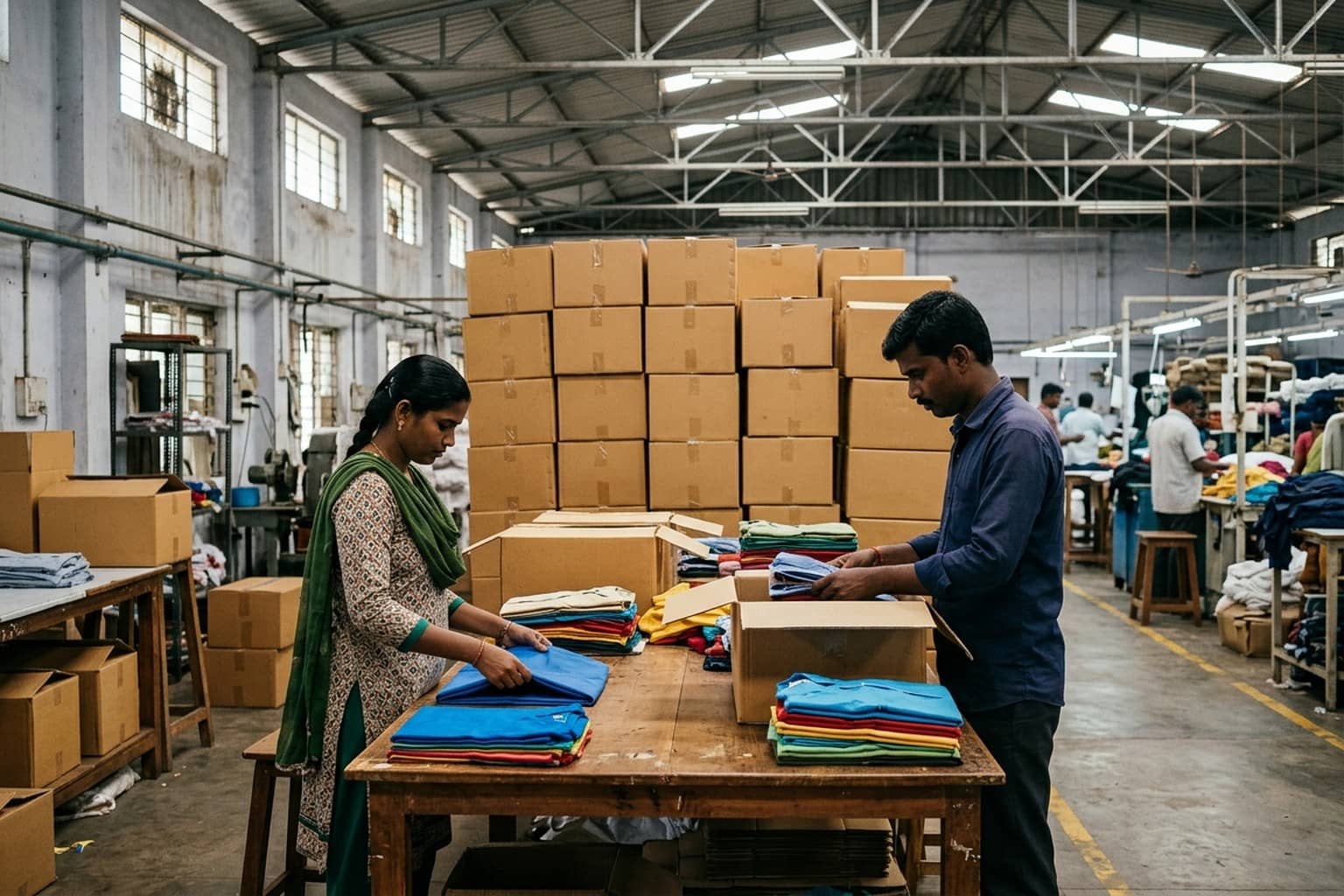
According to the commerce ministry, all of India's tariff lines going to New Zealand become duty-free as soon as the agreement starts. New Zealand's highest tariffs on these goods are up to 10 per cent today, so the gain is largest for sectors that still pay them: textiles and apparel, leather and footwear, gems and jewellery, engineering goods and processed food.
Indian manufacturers will also be able to bring in some New Zealand raw materials without duty. The ministry names wooden logs, coking coal and metal scrap. For a furniture maker or a small foundry, that matters as much as the export side.
Pharmaceutical and medical device firms get a separate benefit. New Zealand will start accepting inspection approvals already granted by trusted regulators, including the US FDA, the European Medicines Agency, the UK's MHRA and Health Canada. The government says this should cut the long wait Indian drug makers face before they can sell there.
Jobs, study and working holidays
The people side of the deal may interest more families than the tariff schedule. New Zealand has agreed to a dedicated quota of 5,000 Temporary Employment Entry visas each year for skilled Indians, and 1,000 Working Holiday visas a year for young Indians.
There is no cap on Indian students under the agreement, according to the ministry's summary. Post-study work rights run up to three years for graduates in science, technology, engineering and maths, and up to four years for doctoral scholars. Anyone comparing study destinations this year will want to set that against the tighter rules elsewhere, such as Australia's new student visa rules that started on 2 October.
On services, Indian companies and professionals get commitments across about 118 sectors, including IT, professional services, audio-visual work, construction and tourism, with most-favoured-nation treatment locked in for about 139 sub-sectors.
What India kept off the table
India has not opened its dairy market. Animal meat (except sheep meat), key farm commodities, sugar and edible oils are also left out of the tariff cuts. New Zealand's apples, kiwifruit and Manuka honey get limited access through tariff rate quotas with a minimum import price and seasonal import windows, which is meant to stop them landing in Indian markets at the height of the local harvest.
In return, New Zealand will run an Agriculture Productivity Partnership with India, with centres of excellence on orchard management, post-harvest handling, food safety and beekeeping, and dedicated action plans for kiwifruit, apples and honey. A joint council will check whether that help actually turns up alongside the market access.
The numbers behind the deal
Trade between the two countries is still small. The commerce ministry puts bilateral merchandise trade at about 1.1 billion US dollars in 2025-26. New Zealand Trade and Enterprise, the New Zealand government's export agency, says India is that country's 11th largest export market for goods and services, with two-way trade worth NZ$3.95 billion in the year to December 2025.
Both sides have set a target of doubling two-way trade in goods and services to NZ$7 billion, roughly Rs 35,000 crore, by 2030. New Zealand has also committed to facilitate 20 billion US dollars of investment into India. From New Zealand's side, tariffs will eventually be cut or removed on 95 per cent of its exports to India, with 57 per cent duty-free from the first day.
What exporters should do before 20 October
Duty-free entry still needs paperwork. Exporters will generally have to meet the agreement's rules of origin to claim the lower rate, so the practical first step is to read the commerce ministry's factsheet and its FAQ on the agreement, check the tariff line for each product and talk to the buyer in New Zealand about who claims the preference. Firms that already deal with carbon and origin paperwork for Europe, explained in our guide to the EU carbon border rules for Indian exporters, will find the routine familiar.
For students and workers, the new visa quotas depend on New Zealand's immigration rules that put them into effect, so it is worth checking the official New Zealand immigration pages before applying rather than relying on agents' claims.