
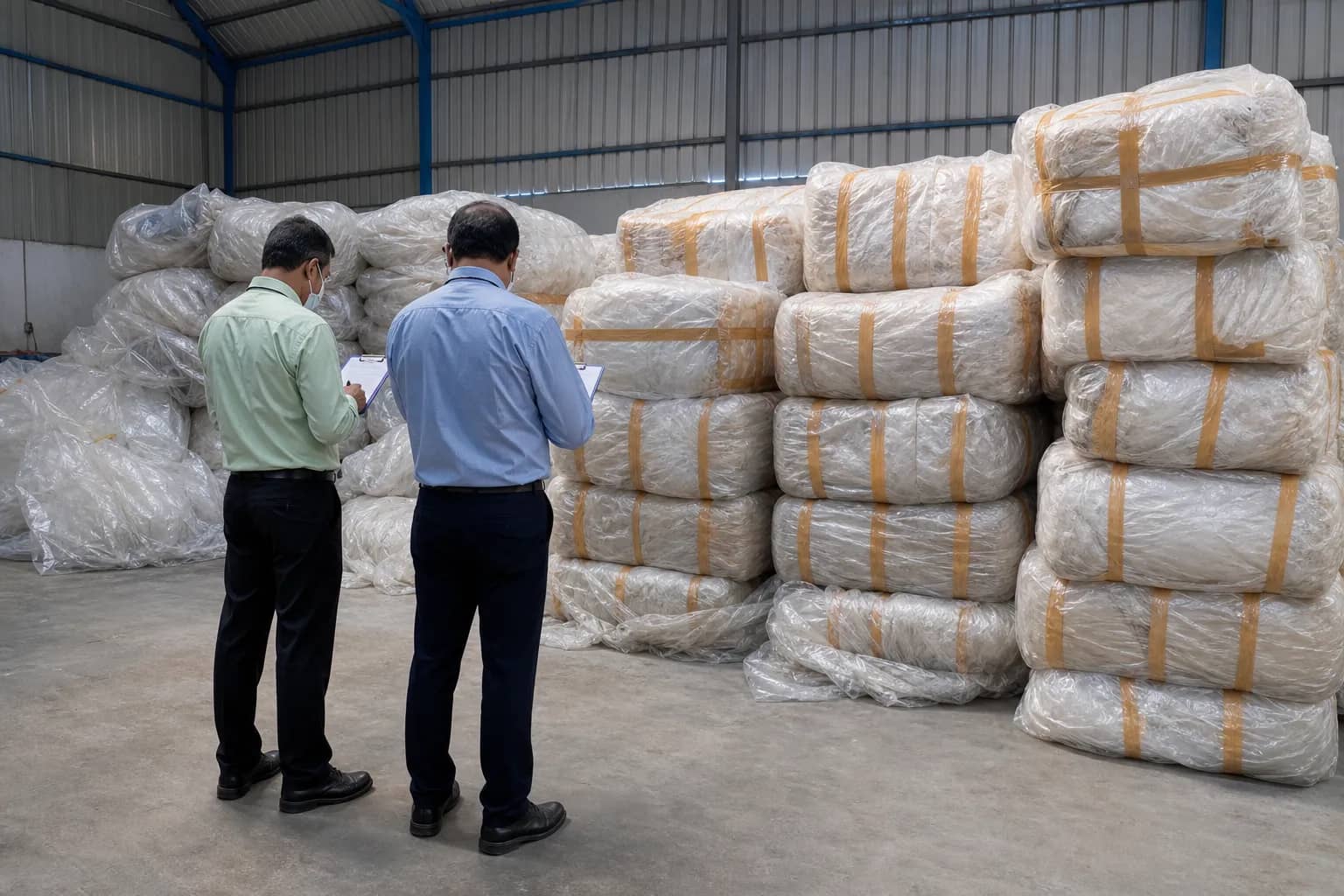
GURUGRAM: The Haryana State Pollution Control Board has seized 1,912 kilograms of non-compliant plastic items from a trading company on Daultabad Road, stepping up enforcement against prohibited and single-use plastic in Gurugram's industrial and market supply chain.
The inspection was carried out on August 21 by the board's Gurugram North team in the Daultabad industrial area. Officials checked the use, storage and distribution of plastic products and confiscated material they said violated the prevailing rules.
The quantity matters because nearly two tonnes in one premises points beyond a handful of bags at a retail counter. Enforcement at a trader or distributor can interrupt supply to many downstream vendors, provided officials identify where the material came from and where it was intended to go.
The action followed a market-awareness programme at Kisan Bhawan on August 20. Shopkeepers, vegetable vendors and other market participants were briefed on the environmental impact of prohibited plastic, the penalties for violations and the need to segregate waste. Jute bags were distributed as reusable alternatives.
Awareness and enforcement must connect
An awareness event is useful when businesses are unclear about which products are banned or where alternatives can be sourced. It cannot become a substitute for inspection, particularly for distributors who trade in large quantities. The next day's seizure showed that the board intended to pair advice with consequences.
At the same time, enforcement should be transparent. The responsible agency should record the type and weight of each item, the rule it allegedly violates, the custody and disposal process, and any notice or penalty issued to the business. A seizure is an administrative action; the affected party retains whatever reply or appeal rights the law provides.
Not every plastic product is prohibited, and thickness, material and intended use can affect compliance. Clear product-level guidance protects honest traders and prevents selective action. Suppliers should be able to show invoices and manufacturer declarations rather than rely on verbal assurances that stock is permitted.
The disposal question follows the seizure
Confiscated plastic does not disappear when it leaves a warehouse. It must be stored safely and sent through an authorised recycling or disposal route. Burning, dumping or mixing the seized material with ordinary municipal waste would shift the environmental harm instead of resolving it.
For markets, reusable alternatives need to be affordable and consistently available. Customers also play a role by carrying bags and refusing unnecessary disposable items, but the largest reduction comes when prohibited products are stopped before they reach thousands of individual transactions.
HSPCB has said its objective is both compliance and a shift towards sustainable alternatives. The Daultabad action can support that aim if it leads to supplier tracing, repeat inspections and a public account of how the 1,912 kg was handled.
Gurugram's plastic problem is not solved by one seizure, however large. The durable measure is whether the same trader, market and distribution network remain compliant after the inspection team has moved on.