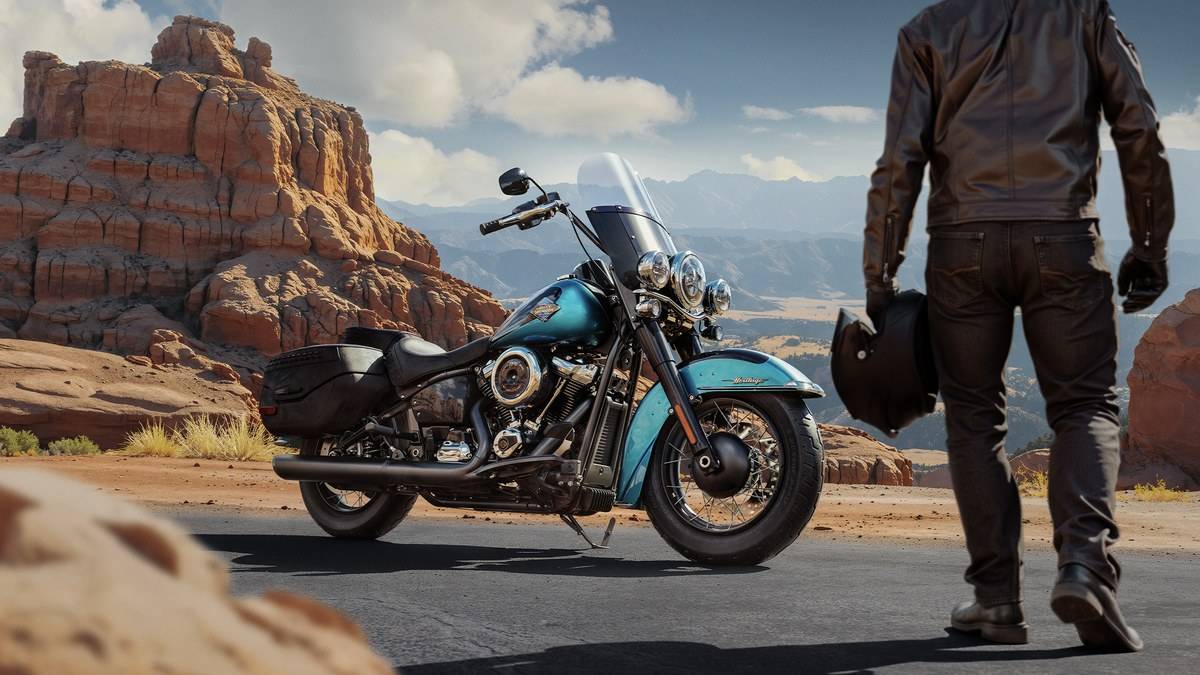
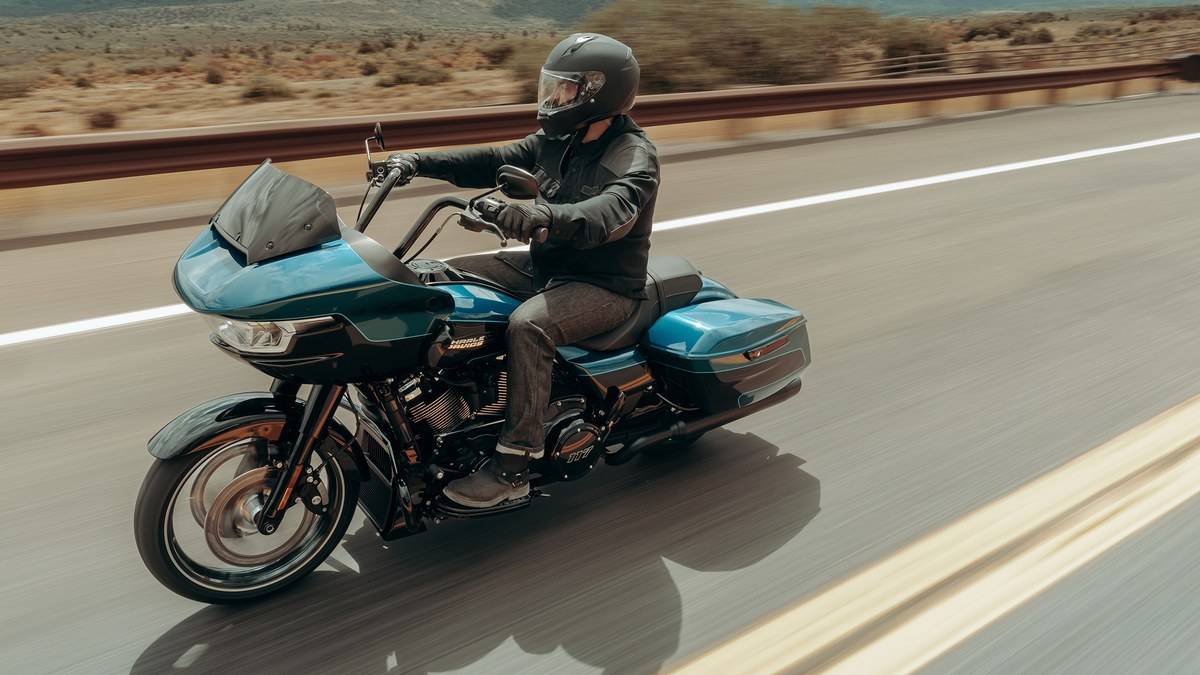
NEW DELHI: Harley-Davidson says the 2026 Road Glide handlebars offer 27 degrees of adjustment, allowing them to move forward or back to suit the rider. That is an adjustment range, not a universal recommended setting. On this large touring motorcycle, a useful fit assessment considers the hands, shoulders, seating position and access to the controls together.
| Item | Official detail |
|---|---|
| Handlebar adjustment | 27 degrees |
| Seat height | 720 mm, unladen |
| Running-order weight | 380 kg |
| Wheelbase | 1,625 mm |
| Display | 312 mm Skyline OS TFT |
Begin from your normal seated position
For the first assessment, sit on the motorcycle as you expect to ride it, wearing your usual jacket and gloves. Ask for the motorcycle to be safely supported. Reach towards the bars without deliberately stretching your shoulders forward. The goal is to understand your natural posture before an adjustment is proposed, rather than adapting yourself to whichever setting happens to be on display.
The published angular range does not tell you how far the grips move in a straight line. It also does not state that every position within that range will suit every rider. Do not convert the figure into an invented reach measurement or a promised solution for a particular height. Your arm length, torso position and preferred posture need an individual check.
The Road Glide combines its adjustable bars with a one-piece touring seat and its distinctive Sharknose fairing. Those are parts of the same riding environment. While assessing the grip position, look at how your wrists sit relative to the levers and how easily you can read the instruments without hunching. A photograph taken from the side can help you discuss the position with a technician.
Adjustment needs a proper procedure
The India product page describes the available adjustment but does not publish a workshop sequence or tightening specification in that feature description. Treat it as evidence of adjustability, not instructions to loosen the clamps at home. Have the correct model-specific procedure followed and ask the person performing the work to explain what checks accompany it.
An owner should be able to distinguish the requested setting from the finished result. Before work begins, explain what feels uncomfortable: excessive reach, an awkward wrist angle or difficulty reaching a switch. After the change, repeat the same seated check. This provides a clearer basis for judging the result than simply asking for the bars to be moved as far back as possible.
Include the steering sweep in the supervised check. Ask the technician to confirm that control operation and clearances meet the relevant instructions across the steering range. Avoid treating a comfortable straight-ahead position as a complete assessment. A touring bike must also be manageable during the slow manoeuvres that frame the start and end of a journey.
Separate seated comfort from parking confidence
The Road Glide lists a 720 mm unladen seat height alongside a 380 kg running-order weight. These figures describe different things. A rider may find the seated reach reassuring while still needing to assess the effort and space involved in parking. The handlebar adjustment should be considered within that broader exercise, rather than used to infer that the motorcycle will be easy for anyone to handle.
For an Indian home parking space, think through the actual approach. Where would you stop, dismount and turn the motorcycle? Is there room for assistance during an initial familiarisation? A supervised demonstration in a suitable area can answer practical questions that a seat-height comparison cannot. Do not attempt an unfamiliar manoeuvre merely to prove that a specification suits you.
If you normally travel with a passenger, include that use in the discussion before settling on the final setup. Ask how to assess the loaded motorcycle in accordance with its handbook. A solo showroom sitting does not reproduce a touring departure with another person and luggage. The adjustment figure remains the same piece of information, while the circumstances in which you use the bike can be very different.
Use the cockpit without changing your posture
The Road Glide has a 312 mm Skyline OS TFT display. During the stationary assessment, check whether the instruments remain legible from the posture that feels natural at the grips. Practise locating the relevant controls while parked, following the owner information. Reaching comfortably for the handlebars and understanding the cockpit are separate tasks, and both deserve attention.
Keep a record of the agreed setting and any related work on the motorcycle. That helps when discussing a later change or returning the bike to a known configuration. It is especially useful if another rider shares it, because a position that feels right to one person may prompt different feedback from the other.
The practical value of the Road Glide adjustment is the opportunity to refine a touring position on the actual motorcycle. Start with your posture, explain the problem precisely and assess the finished setup with the correct support and procedure. The published range tells you there is room to investigate; the supervised fit check tells you whether the result works for you.
Related reading: Breakout reach and parking assessment, Pan America Special seat settings, Sportster S display and navigation.
Official source: Harley-Davidson Road Glide product information.