GURUGRAM: The deadline for hearings on notices and disposal of voter list claims and objections now runs to November 20, 2026, with the final roll due on November 30, according to the revised Haryana timetable confirmed in an official announcement on Friday, October 30. These new dates replace the October 28 disposal deadline and November 6 publication date, as reported earlier on dalimss.news.
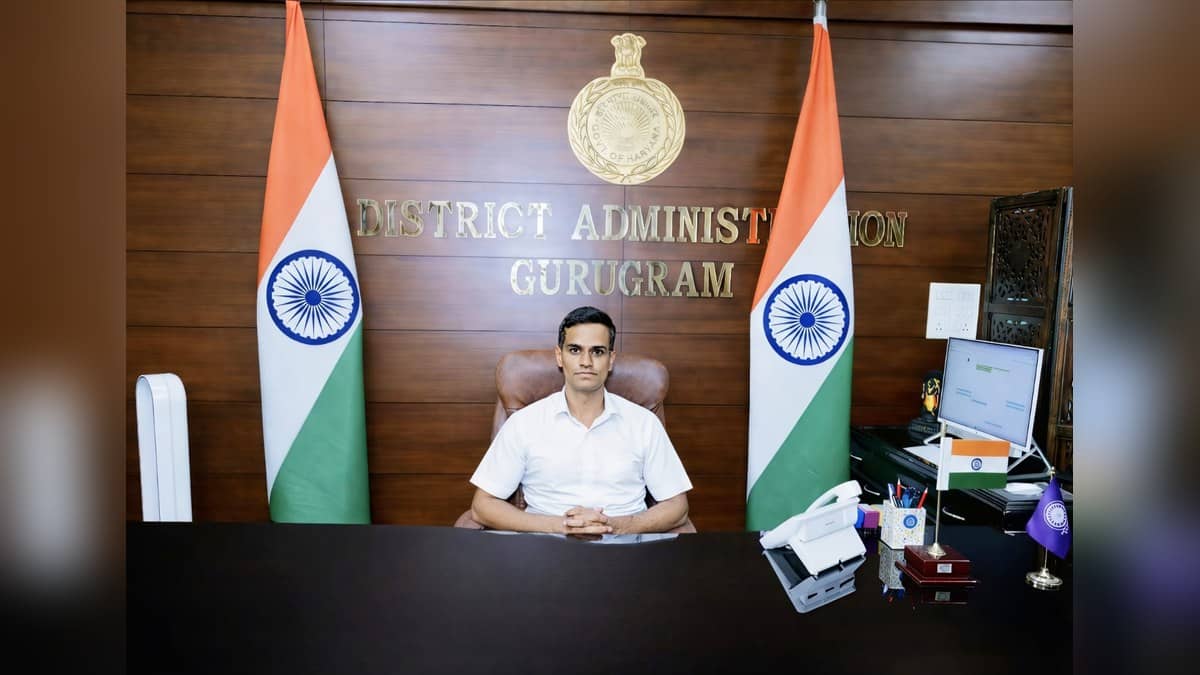
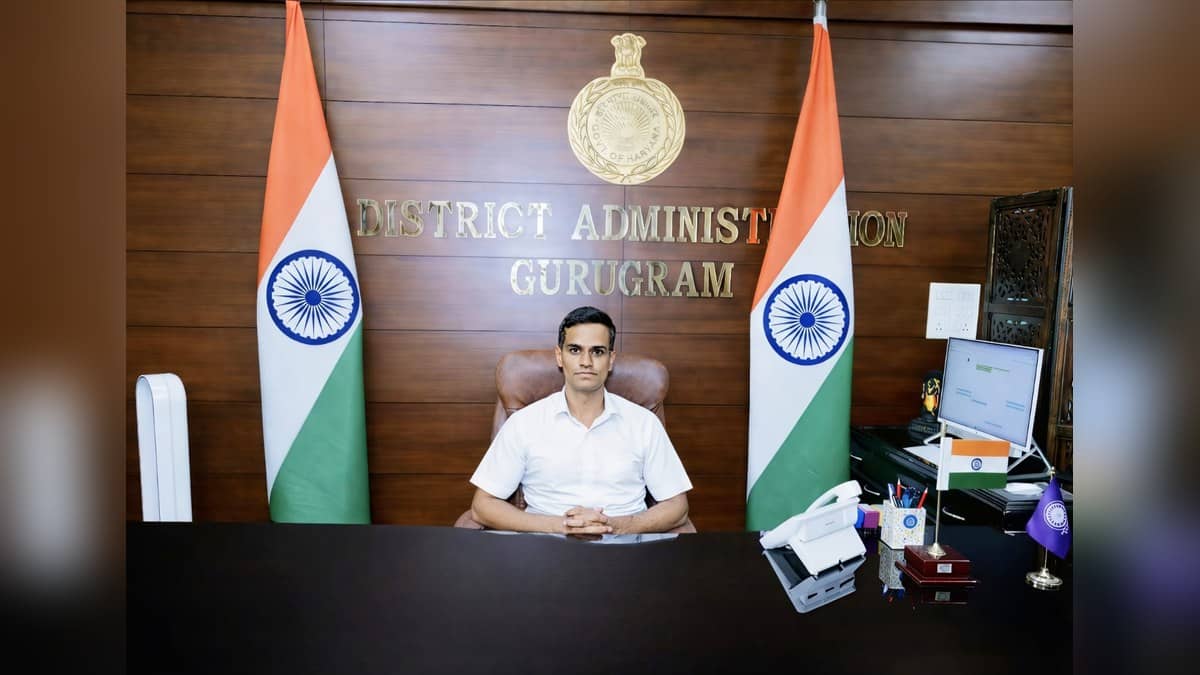
For Gurugram residents with pending cases, the extension gives election officials more time to hear responses and decide applications. Deputy Commissioner and District Election Officer Uttam Singh, whose district office is at the Mini Secretariat, urged residents to check their own entries and those of eligible family members, according to two local reports published on October 31.
The revised dates and what they cover
The official October 30 announcement, published at 6.20 pm IST, says the Election Commission approved the revised Haryana schedule following a request from the state's Chief Electoral Officer. It describes November 20 as the end of the notice and disposal stage, with November 30 set for final publication.
This distinction matters for anyone reading a headline about an extended deadline. The announcement concerns hearings and decisions on claims and objections. It should not be read as a blanket reopening of every earlier application window. Residents should follow the directions attached to their own case and obtain clarification from the relevant election officer where necessary.
| Stage | Revised date |
|---|---|
| Notice hearings and disposal | November 20, 2026 |
| Final electoral roll publication | November 30, 2026 |
What remains pending in Gurugram
The two October 31 reports agree that, as of October 28, decisions were pending on 1,091 Form 6 applications, 565 Form 7 applications and 517 Form 8 applications. Together, these account for 2,173 applications. These are dated district pendency figures, rather than a live count for November 2.
Both accounts also record 453,079 notices issued in the district after mismatches or discrepancies were found when linking voter details to the previous intensive revision roll. That figure describes notices generated during the exercise. It does not mean that all those cases remain pending, or that every recipient has been removed from the voter list.
Singh said the extra time would allow electors to supply documents and registration officers to complete outstanding decisions. The reports also identify pending notice hearings and photograph related work, without providing a consistently confirmed current total for those tasks.
How to follow up an individual case
A separate October 30 official explanation of the Haryana revision sets out the form categories: Form 6 concerns inclusion, Form 7 deletion related requests, and Form 8 corrections and other specified electoral services. Those categories identify the request being processed; an application total does not establish the outcome in any individual case.
The Chief Electoral Officer's published assistance guidance directs residents to their booth level officer, Electoral Registration Officer or Assistant Electoral Registration Officer. It also lists the Voter Helpline, 1950. Its older timetable has been superseded by the new dates, so residents should use the current schedule when following up.
The district homepage links to the SIR draft roll dated July 31, 2026. A draft entry and the final November roll represent different stages. Checking a name now can help identify a question to raise with the appropriate official, but it cannot establish the contents of a final roll that has yet to be published.
The earlier voter list figures remain background, rather than a replacement for the October 28 pendency snapshot. For other district services, see the separate reports on Samadhan camps and complaint follow up and changes to the November 5 property regulator hearings. Those are different administrative processes, with their own schedules; neither changes the SIR dates or the instructions attached to an individual electoral notice.