Gurugram Highway Audit Identifies 22 Black Spots, Including 10 New Zones
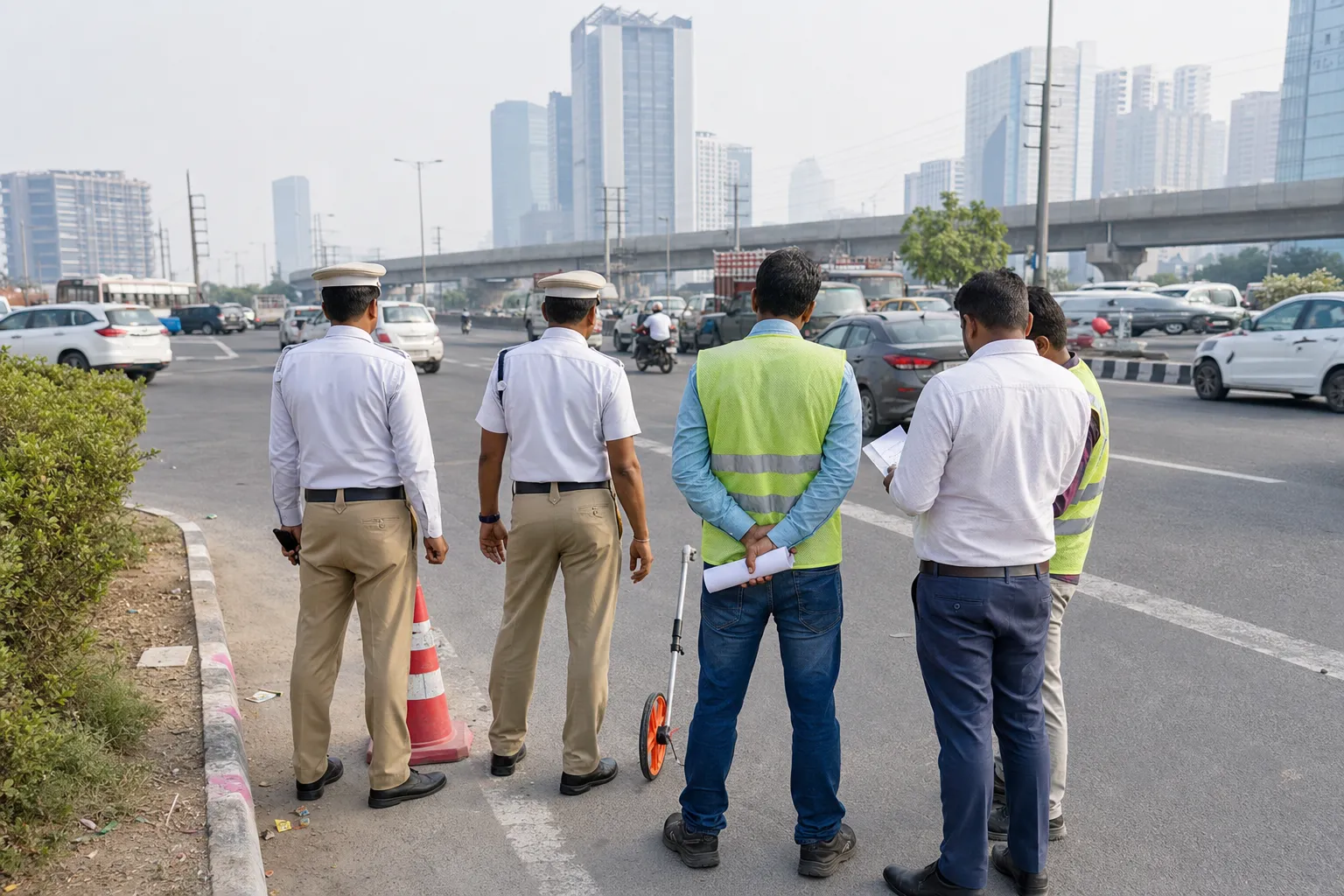
GURUGRAM: A fresh road-safety audit has identified 22 accident black spots on national highways in Gurugram, including 10 locations that were not on the previous list. The findings show a mixed picture: 16 earlier high-risk stretches have been rectified, but the pattern of severe crashes has shifted rather than disappeared.
Twenty of the current black spots are on the Delhi-Gurugram Expressway, or NH-48, while two fall on the Gurugram-Sohna highway. The data was compiled through the Union road transport ministry's Sanjaya system, which evaluates locations using recorded crashes and fatalities over a defined period.
Sector 31 emerged as the deadliest location in the latest assessment, with 10 deaths linked to three crashes during the period studied. Binola flyover recorded nine deaths in 16 accidents, while the three identified black spots in the Manesar area together recorded eight deaths in 24 accidents. Across all 22 spots, the audit counted 74 deaths in 142 accidents.
Those figures do not mean every crash had the same cause. A black spot can reflect poor merging geometry, limited sight distance, unsafe pedestrian movement, speeding, weak lighting, confusing lane markings or a combination of road design and driver behaviour. Each location needs a diagnosis before an effective treatment can be chosen.
Rectification can range from repainting lanes and improving signs to closing an unsafe cut, redesigning a merge, adding lighting or rebuilding part of a junction. The fact that 16 earlier locations no longer appear on the list suggests targeted work can reduce recurring risk. The 10 new zones, however, underline why a one-time repair drive is not enough.
Traffic patterns change as new sectors fill up, freight routes move and flyovers or service roads alter how vehicles enter the highway. A junction that was manageable three years ago can become hazardous when traffic volume rises without a matching change in turning space, crossing provision or enforcement.
The priority should be the sites combining high fatality counts with problems that can be fixed quickly. Temporary measures such as rumble strips, reflective markers, speed checks and protected pedestrian channels can be deployed while larger civil works are designed. Their effect should then be checked against fresh crash data rather than assumed.
Public disclosure would strengthen the exercise. A location-wise map, the risk factor found at each site, the agency responsible and the expected rectification date would allow commuters and residents to track progress. It would also make clear whether a delayed fix sits with the highway authority, concessionaire, traffic police or another civic body.
Calling a stretch a black spot is not an admission that accidents are inevitable. It is a data-based warning that similar harm has clustered there. Gurugram now has an updated list; the practical task is to turn it into engineering and enforcement before the next serious crash adds to the count.
Sources and reporting
Based on the latest Sanjaya-system highway black-spot audit and Gurugram road-safety data, checked on 1 August 2026.
Related Stories

AISA’s Azamgarh meeting calls for teachers, laboratories and libraries

ABVP’s DUSU manifesto puts student housing and academic services on the campaign agenda

AP TET 2026 results released; check the correct examination cycle
Supreme Court Sets January 1 Deadline to Vacate Unsafe Chintels Flats
Human Rights Panel Orders Citywide Audit of Gurugram Drains