VARANASI: A religious organisation has asked the management of the Vishwanath temple on the Banaras Hindu University campus to restrict entry by non-Sanatanis into the sanctum, but no change in the temple’s access policy has been announced.
Patanjali Pandey, co-convenor of the Gyanvapi Mukti Mahaparishad, submitted a letter on Thursday to the temple’s acting manager, Professor Madhav Janardan Ratate. The letter argued that restrictions were needed to protect religious tradition, decorum and sanctity. It also alleged that some guides were taking foreign tourists into the sanctum.
The claim about guides is an allegation made in the letter. The available report did not include independently verified instances, a response from the guides or a statement confirming action by BHU. It would therefore be inaccurate to describe the requested restriction as an existing rule or to suggest that the university has accepted the proposal.
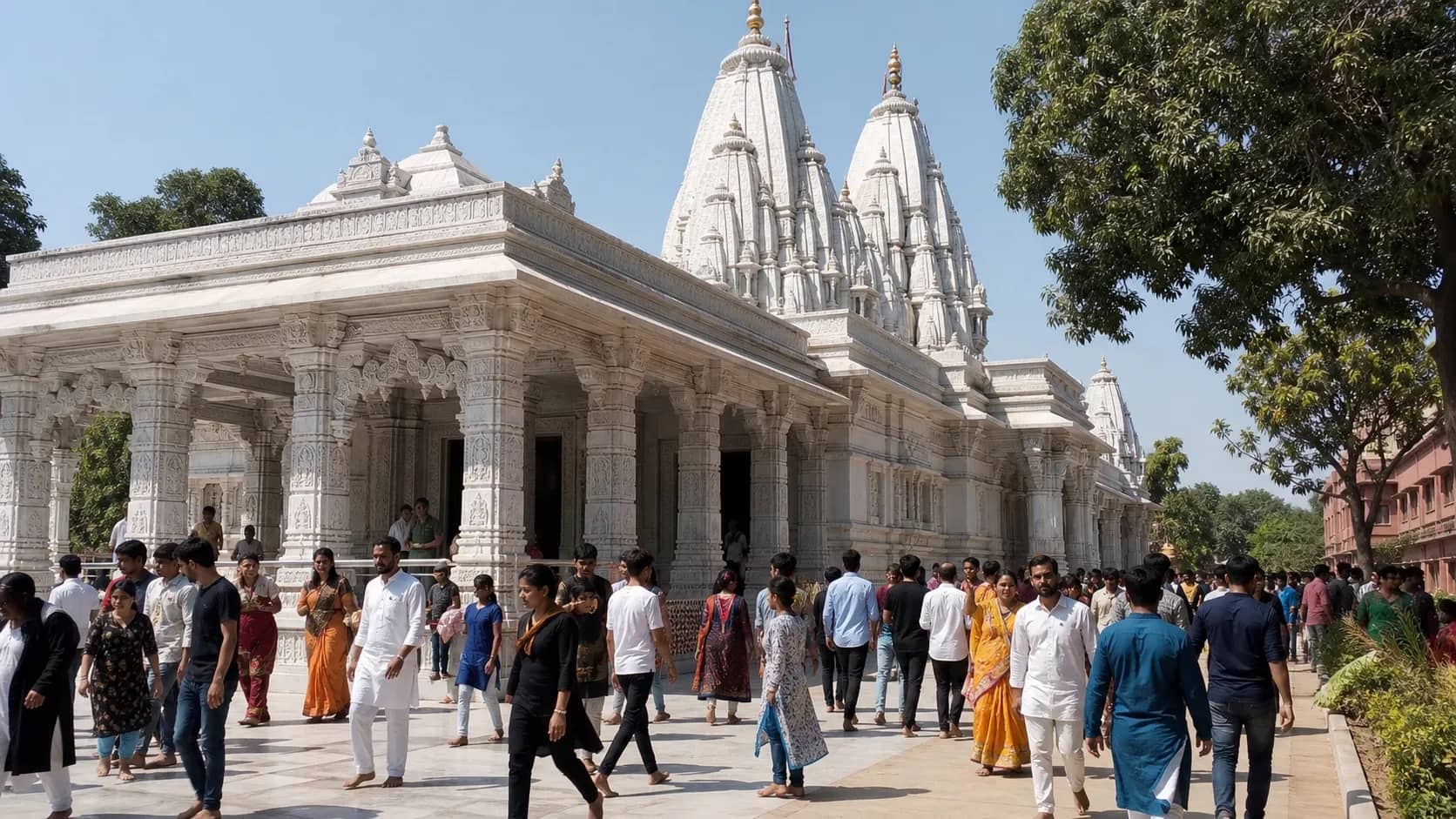
The BHU Vishwanath temple, popularly called New Vishwanath Temple, occupies an unusual place in Varanasi’s public life. It is a functioning place of worship inside a major public university and is also visited for its architecture and campus setting. Students, families, pilgrims and tourists regularly share the same grounds. Managing the sanctum requires balancing religious practice, safety, crowd flow and the institution’s public character.
Temples across India follow different access traditions. Some allow visitors of all faiths into most areas, while others restrict particular spaces according to denomination, dress, ritual status or local custom. Those practices cannot simply be assumed from one shrine to another. Clear, formally published rules are preferable to ad hoc instructions from guides or visitors.
If the management reviews the request, it will need to define the actual problem. Is the concern crowding, photography, behaviour inside the sanctum, commercial guiding or religious eligibility? Measures aimed at conduct—such as quiet queues, no photography and limits during aarti—can be applied consistently. A religion-based restriction raises wider questions and would require an explicit institutional decision, legal consideration and careful communication.
Foreign appearance is not evidence of a person’s faith, and staff should not be placed in the position of making assumptions based on language or clothing. Any entry rule needs a respectful, non-arbitrary method of implementation. Signage should explain restrictions before a visitor reaches the doorway, not after a confrontation begins.
Guides, too, need a recognised code. They should know which areas are open, when access changes and what visitors may photograph. Unauthorised promises of special access can create confusion even when no rule has been broken.
For now, the development is a submitted demand, not a temple order. BHU’s response will determine whether it becomes an administrative matter. Until then, visitors should follow instructions displayed by the temple and from authorised staff, while public discussion should distinguish clearly between one group’s proposal and the policy of the university.