GURUGRAM: The Gurugram Metropolitan Development Authority is planning a roughly 3.3 km stormwater drainage network for newly built residential pockets along the Dwarka Expressway in sectors 37C, 37D and 9B, with discharge into the Badshapur drain, officials said as the estimate near Rs 20 crore moved toward formal approval.
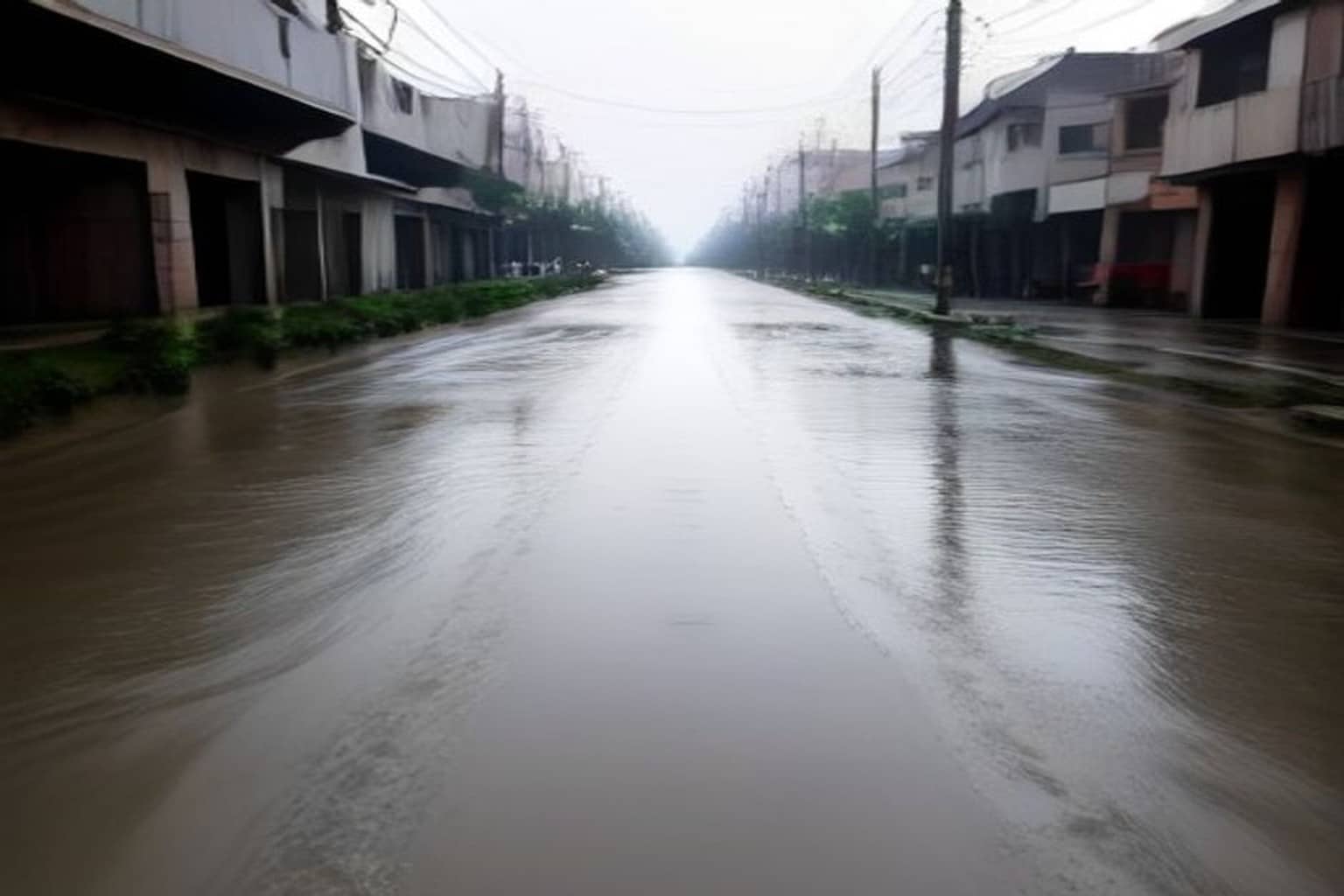
A GMDA official said bids will be invited once the approval chain clears. The network is meant to give rainwater a designed outlet from internal roads that currently pond after intense showers because the sectors were developed by Haryana Shehri Vikas Pradhikaran more than a decade ago without a full stormwater spine.
Administrative approval from the GMDA board dates back to June 2022, but construction never started. The brief was later widened to talk about channelisation along the Pataudi Road stretch between Umang Bhardwaj Chowk and Gadoli. Municipal Corporation teams later took over that Umang-Gadoli piece, while GMDA's current package focus returns to the original sector network.
For families in Sector 37C, where resident groups say around 4,000 households live without a proper stormwater system, the difference between a board approval and a floated tender is years of flooded basements and skidding two-wheelers. Apex Our Home RWA president Satvir Yadav has publicly described monsoon waterlogging that damages roads and stalls traffic on the sector grid.
Readers should not confuse this drain package with the larger elevated-road and expressway works GMDA is bidding elsewhere, including the Southern Peripheral Road elevated tender (https://dalimss.news/articles/gmda-spr-elevated-tender-776-crore). Stormwater is a subsurface and roadside network story, not a pier-and-deck story.
Dwarka Expressway main carriageways can look dry while sector grids a few hundred metres inside still hold knee-deep water. That mismatch is exactly why a dedicated 3.3 km sector network discharging to Badshapur was drawn up, rather than hoping highway side drains would somehow pull internal stormwater.
Desilting after every monsoon will decide whether the new pipes stay useful. Gurugram's older drains fail as often from plastic and silt blockages as from missing length. Bid conditions should force annual cleaning schedules and penalty clauses, not only excavation kilometres.
Why the sectors flood and what the bid must fix
When HSVP plotted these Dwarka Expressway sectors, master stormwater outfalls lagged behind plot allotment. Temporary slopes and ad-hoc pipes cannot move peak monsoon volume toward Badshapur fast enough. Intense cloudbursts turn that gap into standing water on main internal stretches within hours.
Groundwater and recharge debates running through the High Court and GMDA calendar (https://dalimss.news/articles/hc-groundwater-grim-gmda-meet-oct5) make drain design choices sharper: outfalls must not simply shove untreated Street wash into the Badshapur system without silt traps and maintenance access. Bid documents will need clear desilting and manhole schedules, not only excavation lengths.
The separate Hero Honda to Umang Bhardwaj elevated-road clearance (https://dalimss.news/articles/haryana-approves-elevated-road-hero-honda-umang) changes surface traffic near Pataudi Road but does not replace sector stormwater pipes. Mixing the two headlines leaves RWAs without a drain timeline.
Until the Rs 20 crore estimate is administratively locked and a tender appears on https://etenders.hry.nic.in/ or GMDA's tender board at https://gmda.gov.in/, residents should treat the plan as advanced preparation, not as a start-of-work notice. District civic updates also sit on https://gurugram.gov.in/.
What to watch next: formal approval of the estimate, bid invitation date, whether Sector 9B laterals are fully included, and how the Badshapur outfall junction is designed so downstream villages do not inherit a new flood pulse. Construction on live sector roads will need traffic diversions of its own.
What is firm today is the about 3.3 km sector focus (37C, 37D, 9B), the Badshapur outfall, the roughly Rs 20 crore estimate, the June 2022 board approval that never reached build stage, and GMDA's stated intent to seek fresh approval and invite bids. Piercing that four-year gap is the real test.
Sector 37D has already seen junction-level drain strengthening and culvert clearing in earlier seasons. Those spot fixes help one crossing; they do not replace a continuous network through 37C and 9B. RWAs should keep both workstreams on their tracking sheets.
When bids finally open, contractors will need traffic diversion plans on narrow sector roads where parked cars already shrink carriageways. Night work windows and temporary steel plates over open trenches are the practical questions residents should raise at pre-bid consultations if GMDA holds them.