FSDA Bans Non-Vegetarian Food on Kanwar Routes; Mandatory Rate Lists and Licences Enforced
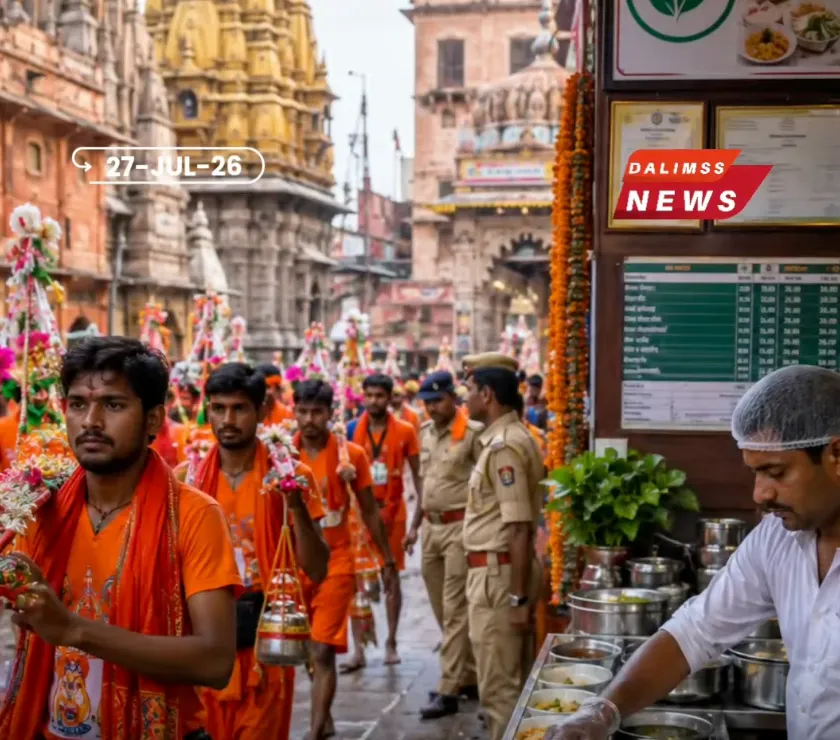
VARANASI, INDIA — In a major directive aimed at respecting religious sentiments during the holy month of Sawan, the Food Safety and Drug Administration (FSDA) has banned the sale of non-vegetarian food across primary Kanwar Yatra routes in Varanasi.
The regulatory restrictions will apply strictly to all food establishments—including hotels, restaurants, dhabas, and street food vendors—along major transit corridors stretching from Kachhwa Road, Rohania, Babatpur, and extending up to the Shri Kashi Vishwanath Temple.
Mandatory Licences, Rate Lists, and 3-Km Zone Compliance
To ensure complete transparency and prevent overcharging or price gouging during the festive surge, the FSDA has introduced strict operational mandates:
3-Kilometer Sacred Zone: All food outlets, restaurants, and eateries situated within a 3-kilometer radius of the Shri Kashi Vishwanath Temple must prominently display their official food safety licence or registration certificate alongside an itemized rate list.
Hygiene and Food Cover Standards: Food vendors are instructed to keep all cooked meals, prasad, and sweets completely covered at all times. Establishments must use clean drinking water, maintain kitchen hygiene, and handle garbage disposal regularly.
Employee Record Keeping: Hotel and restaurant owners must maintain updated employment records of all staff members and produce them immediately upon request during administrative inspections.
Continuous Monitoring and 'Food Safety Connect' App
To enforce these directives effectively throughout Sawan, dedicated FSDA inspection teams will conduct continuous surveillance along designated pilgrim routes.
Additionally, authorities are installing promotional signage for the 'Food Safety Connect' app at participating establishments. This allows visiting pilgrims and local devotees to log complaints, report hygiene issues, or flag instances of overcharging directly to the administration in real time.
Related Stories

Railways Orders Weekly Puja Special 09465 via Varanasi Through November

Hindi Diwas Marked Across BHU, Sanskrit University and Kashi Vidyapith

Lohta Police Register FIR After Bhitari Villager Alleges Hostage Beating

Baragaon Police Book Named Youths After Kazisaray Tea-Stall Assault and ₹1,900 Loot

Mayor Announces Stricter MCG Drive Against Stray Cattle