GURUGRAM: Electric-vehicle buyers in Gurugram have begun receiving motor vehicle tax relief under Haryana's new incentive system, with the first eligible vehicles registered in the Gurugram and Badshahpur subdivisions.
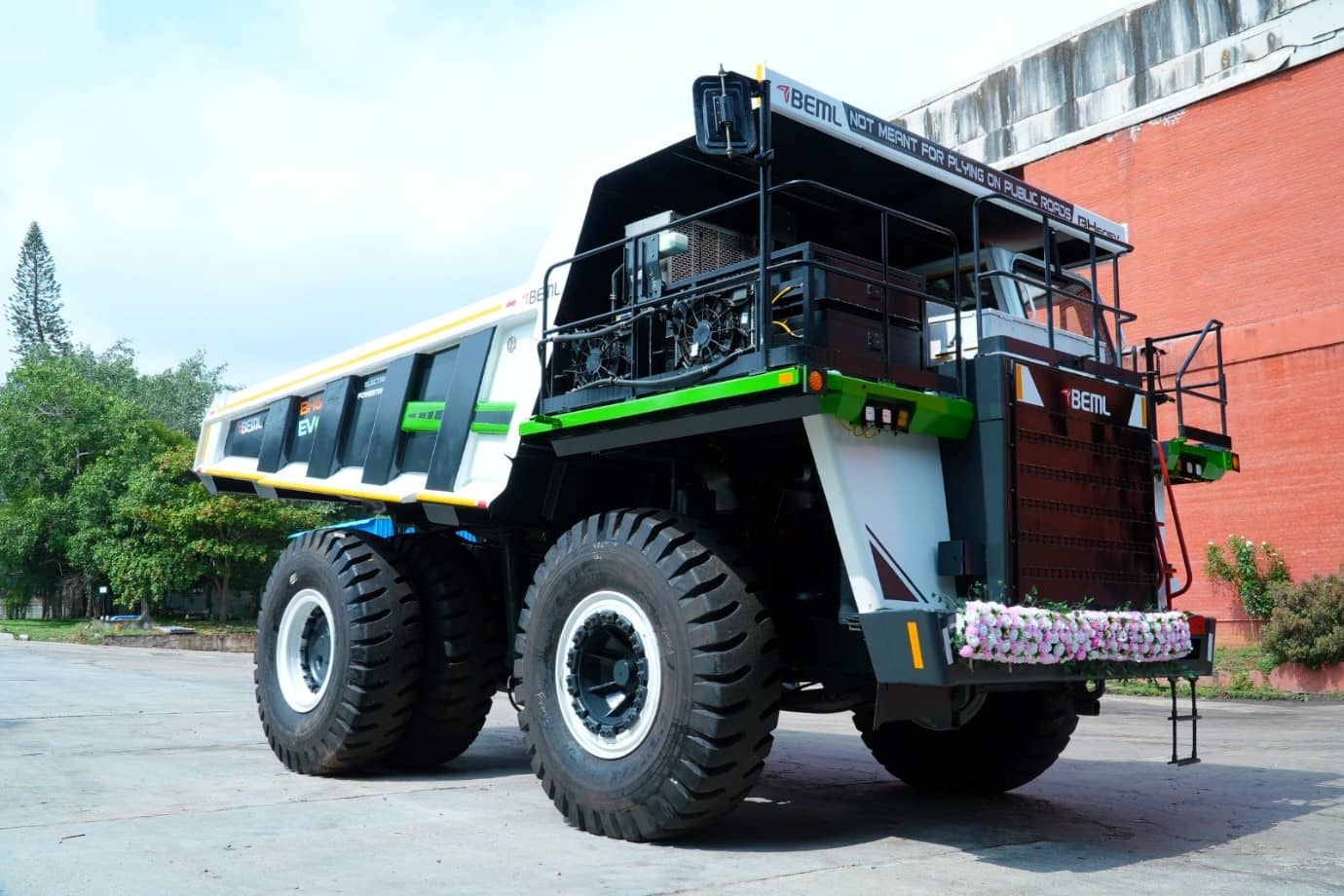
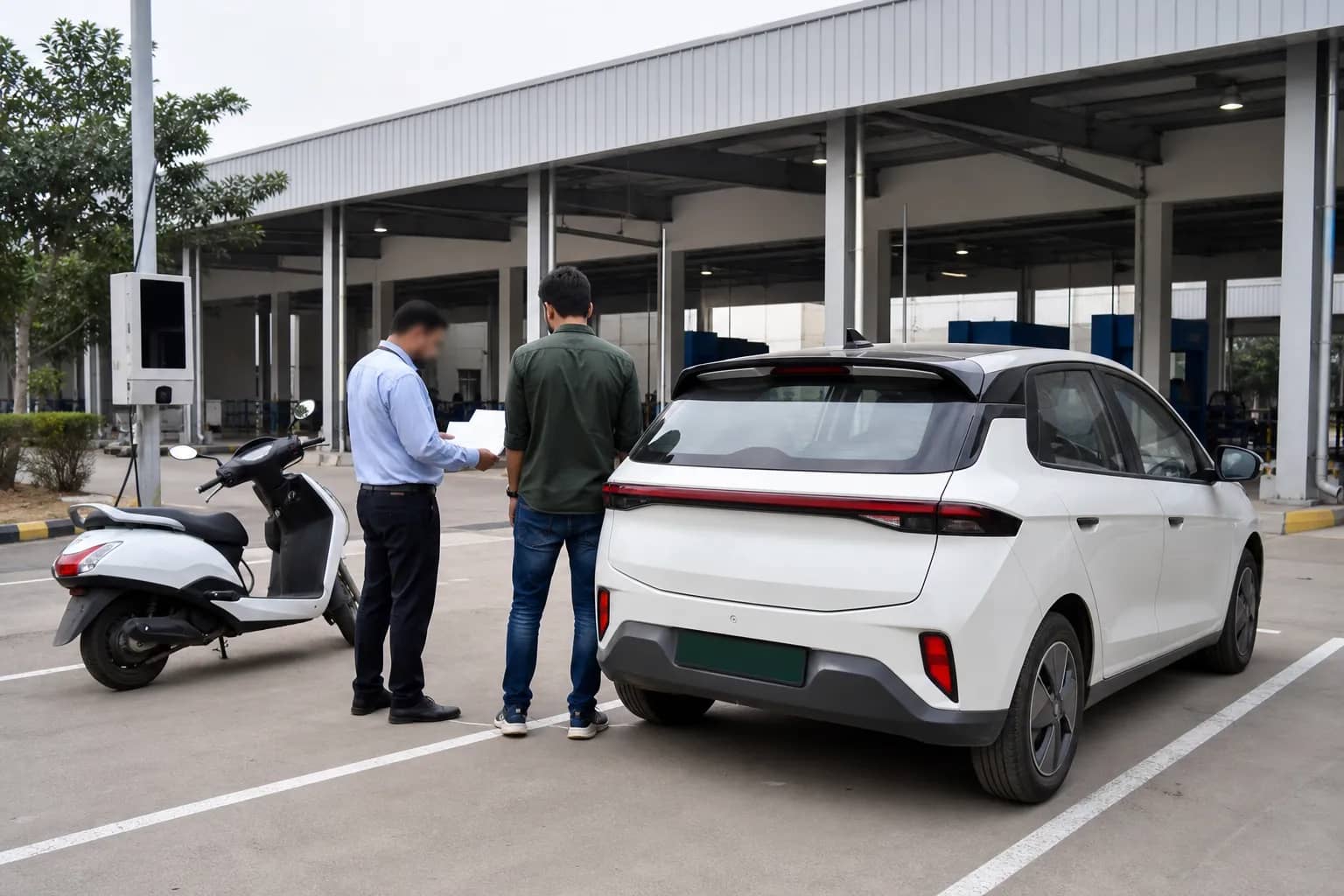
The policy offers a 100 per cent motor vehicle tax exemption on a new battery-operated electric vehicle whose ex-showroom price is up to Rs 30 lakh. An eligible EV priced above that threshold receives a 50 per cent exemption. The benefit covers electric scooters, autos, e-rickshaws and four-wheelers, giving both personal and commercial buyers a route to lower registration costs.
There is an important boundary: the vehicle must be purchased and registered in Haryana. A vehicle bought in another state and brought to Gurugram for registration will not qualify under the announced terms. Buyers should therefore check the purchase invoice, permanent address and registration jurisdiction before treating an advertised saving as guaranteed.
The word "free" also needs precision. The relief relates to motor vehicle tax and does not necessarily remove every expense attached to buying or operating an EV. Insurance, the vehicle price, loan charges, accessories and any fee not covered by the policy remain separate. A dealer's final quotation should show the exempt component rather than simply promising free registration.
Why the incentive matters locally
Gurugram is a natural test bed for such a policy. Daily travel often involves long cross-city trips, office commutes and movement between the city and Delhi. A lower upfront tax burden can narrow the purchase-cost gap between an electric model and a comparable petrol or diesel vehicle, particularly for fleet operators and families already able to charge at home or work.
The incentive alone will not settle the buying decision. Residents in high-rise societies still need reliable charging access, clear fire-safety rules and a transparent process for installing a private charger in common parking. Public fast-charging points also need to remain usable rather than merely appear on a map.
For e-rickshaws, autos and delivery vehicles, operating economics can be even more important than the initial tax saving. High daily mileage can make lower energy and maintenance costs attractive, but drivers need dependable charging near routes and predictable battery performance through Gurugram's summer heat and monsoon waterlogging.
Registration desks face the practical test
The first registrations indicate that the benefit is no longer only a policy announcement. The next test is routine delivery: dealers and registration officials should apply the eligibility rule consistently, explain rejected claims in writing and prevent buyers from being sent between offices for documents the system already holds.
The district administration has presented the measure as financial relief as well as a step towards cleaner mobility. Its environmental result will depend on how many combustion-engine trips are actually replaced, how electricity is generated and whether older batteries enter a responsible recycling chain.
For a Gurugram buyer considering an EV now, the useful checklist is simple: confirm that the model is battery-operated, verify its ex-showroom price, purchase it in Haryana and ask the registering authority or dealer to itemise the tax exemption before payment. That turns a broad green-policy promise into a saving that can be checked on the invoice.