First Electric Bus Joins Gurugram Fleet, 24 More Expected This Month
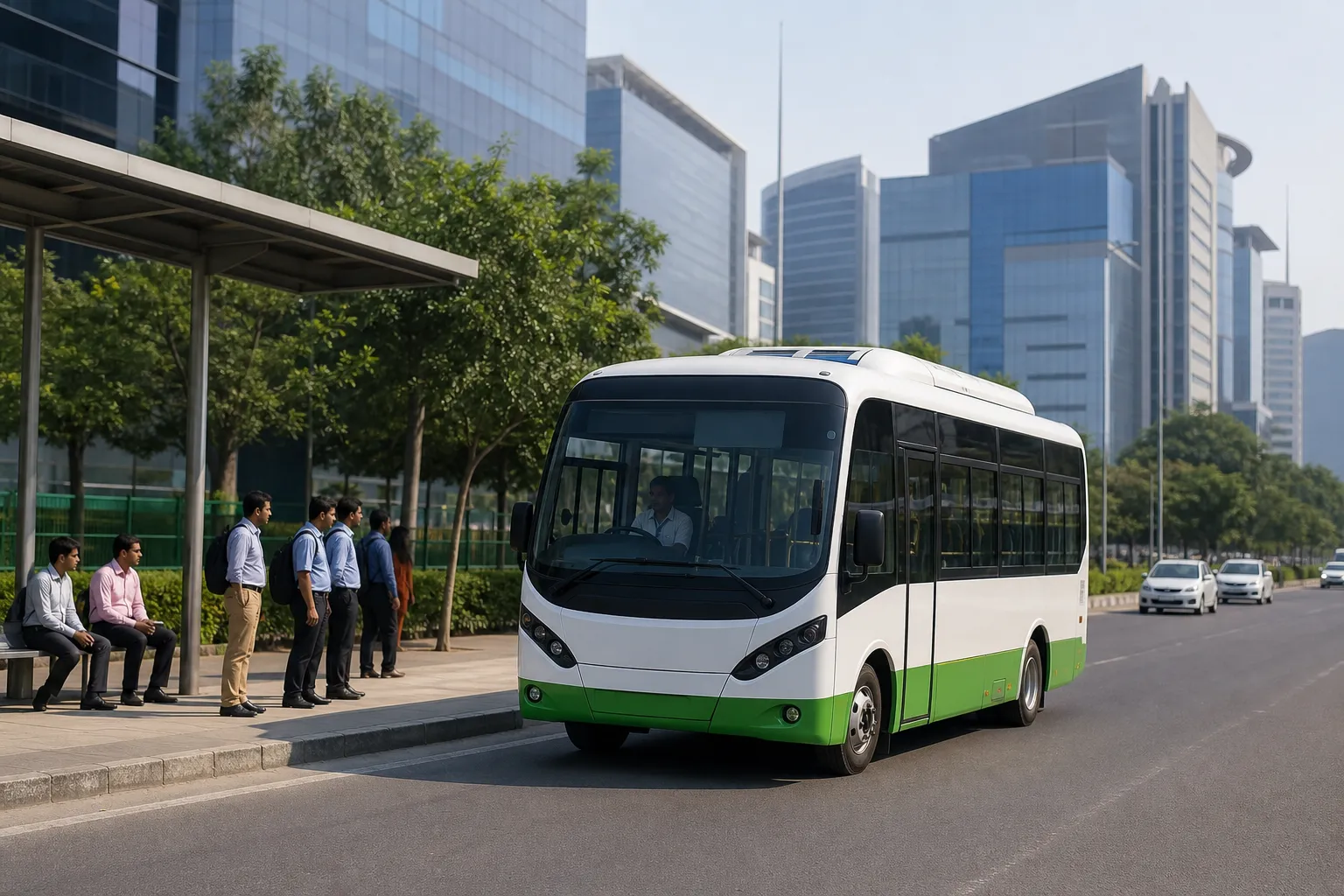
GURUGRAM: Gurugram’s transition to electric public transport has begun on the road, with the first 25-seat air-conditioned e-bus joining the city fleet for operational trials. Twenty-four more vehicles are expected by the end of the month in the first batch under the Union government’s PM e-Bus Sewa programme.
Gurugram Metropolitan City Bus Limited will test the vehicle for three days across different routes before placing it in regular passenger service. The trial is intended to assess route suitability, energy use, performance in mixed traffic and the bus’s ability to handle the city’s heat, congestion and frequent stop-start operation.
The first batch of 25 buses will be assigned to priority corridors after the assessment. The larger programme proposes a fleet of 100 electric buses for Gurugram, with the remaining vehicles to arrive in phases. The timeline will depend not only on deliveries, but also on charging infrastructure, depot readiness and the availability of trained drivers and maintenance staff.
The induction is a modest start for a city whose commuting demand is dominated by private cars, two-wheelers and app-based cabs. Gurugram last expanded its city-bus fleet in 2021, when eight air-conditioned CNG buses were added. Since then, rapid residential growth along Golf Course Extension Road, Dwarka Expressway and Southern Peripheral Road has widened the gap between available routes and where people now live and work.
Electric buses can reduce tailpipe emissions and noise, but technology alone will not persuade commuters to leave their cars. Frequency, punctuality and last-mile connections will decide whether the new vehicles make a visible difference. A clean bus that arrives only once an hour will remain a limited option for office workers with fixed reporting times.
GMCBL should use the trial to collect practical data on passenger loads, turnaround time, charging windows and delays at congested junctions. Publishing route-level performance after the initial rollout would help residents understand where services are improving and allow the operator to adjust schedules based on actual demand.
The smaller 25-seat format may be useful on feeder and neighbourhood routes where full-size buses struggle to turn or fill seats. On trunk corridors, however, capacity and standing space will have to match peak-hour demand. Integration with Delhi Metro, Rapid Metro, railway station and future Gurugram Metro nodes should therefore shape deployment from the first batch.
The city’s first e-bus is best viewed as a working pilot, not a finished transformation. If the next 24 arrive on time and enter reliable service, Gurugram will have a foundation to expand. The real milestone will come when residents can plan a daily journey around frequent electric buses rather than treating them as an occasional alternative.
Related Stories

AISA’s Azamgarh meeting calls for teachers, laboratories and libraries

ABVP’s DUSU manifesto puts student housing and academic services on the campaign agenda

AP TET 2026 results released; check the correct examination cycle
Supreme Court Sets January 1 Deadline to Vacate Unsafe Chintels Flats

Human Rights Panel Orders Citywide Audit of Gurugram Drains