
Faridpur–Sarnath Elevated Road Work Picks Up Pace
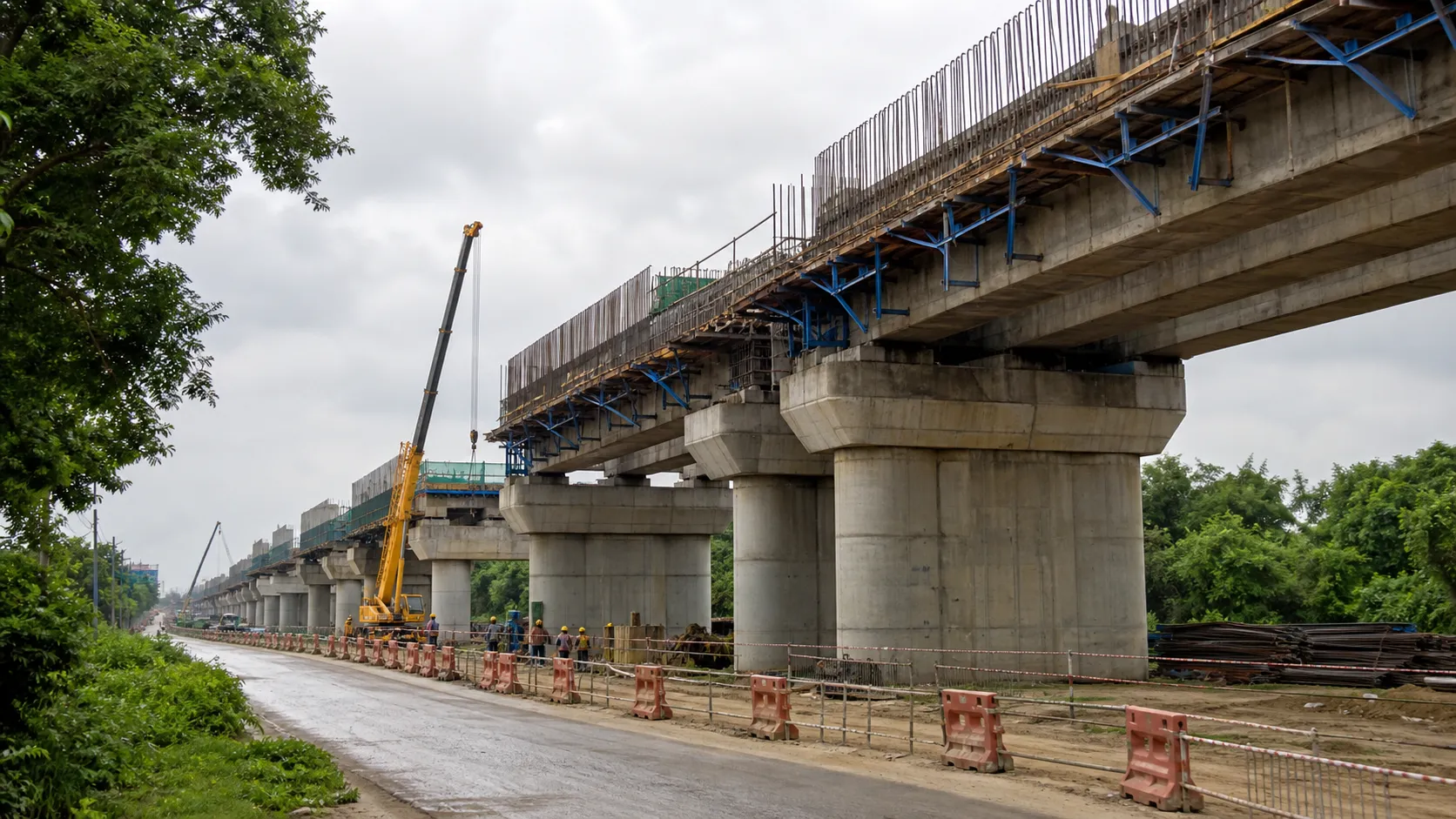
VARANASI: Construction activity has picked up on the four-lane elevated road planned between Faridpur on the Outer Ring Road and the Sarnath railway station area, a corridor expected to create a more direct approach to one of Varanasi’s busiest heritage and pilgrimage zones.
The 1.18-kilometre project is estimated at ₹161 crore and is being executed by the Uttar Pradesh State Bridge Corporation, commonly known as Setu Nigam. The alignment begins near Kasturba Gandhi Vidyalaya on the Faridpur side of the Ring Road and moves towards Sarnath, passing the water-treatment plant and the Vietnam Temple before reaching the railway-station side.
A joint team from the district administration, Varanasi Municipal Corporation and Setu Nigam inspected the site as work gathered pace. Municipal Commissioner Himanshu Nagpal directed the executing and civic agencies to coordinate with the Varanasi Development Authority, an important step because an elevated structure affects much more than the road surface below it.
Utility lines, drainage, junction design, pedestrian movement and the use of land beneath the viaduct all need to be settled while construction is underway. If these details are postponed until the pillars and deck are complete, the city can end up reopening finished stretches or creating new bottlenecks at the entry and exit points.
The Faridpur link has strategic value because the Ring Road carries traffic that does not need to enter the old city. A direct elevated approach can help visitors reach Sarnath without adding pressure to narrower internal roads. It may also improve access for residents living around the growing northern edge of Varanasi, where daily traffic now mixes with tourist buses and long-distance vehicles.
Sarnath’s new UNESCO World Heritage status is likely to bring even greater attention to access, streetscape and visitor management around the archaeological zone. Better connectivity can support tourism, but it also increases the responsibility to protect the area’s character. Road engineering, signage, parking and last-mile movement must work together so that the final kilometre does not become a chaotic spillover point.
During construction, residents and commuters will need clear diversion information and safe passage around machinery. Dust control, barricading and lighting are basic requirements on an active urban site. The monsoon adds another challenge, as unfinished drains and excavated edges can quickly turn into hazards after heavy rain.
The project’s headline numbers—four lanes, 1.18 kilometres and ₹161 crore—capture its scale but not the test that follows. An elevated road succeeds only when the junctions at both ends keep moving and the space below does not become neglected.
For Varanasi, the Faridpur–Sarnath corridor is a chance to connect a modern orbital road with an ancient destination in a more orderly way. Faster construction is welcome; disciplined coordination and a clean finish will decide whether the new route genuinely improves the journey.
Related Stories

Ramnagar Constable’s WhatsApp Resignation Withdrawn After ACP Counselling

Municipal Commissioner Inspects Jangambadi Ward 89 Sewer Overflow and Damaged Lanes

Civic Body Invites Tenders for ₹13 Crore Drainage Works in Newly Extended Areas

Mirzamurad Police Arrest Mother After Probe Finds Role in Stepdaughter Assault Case

Sigra Police Arrest Man Over Alleged ₹6 Lakh Fake BHU Assistant Professor Letter
