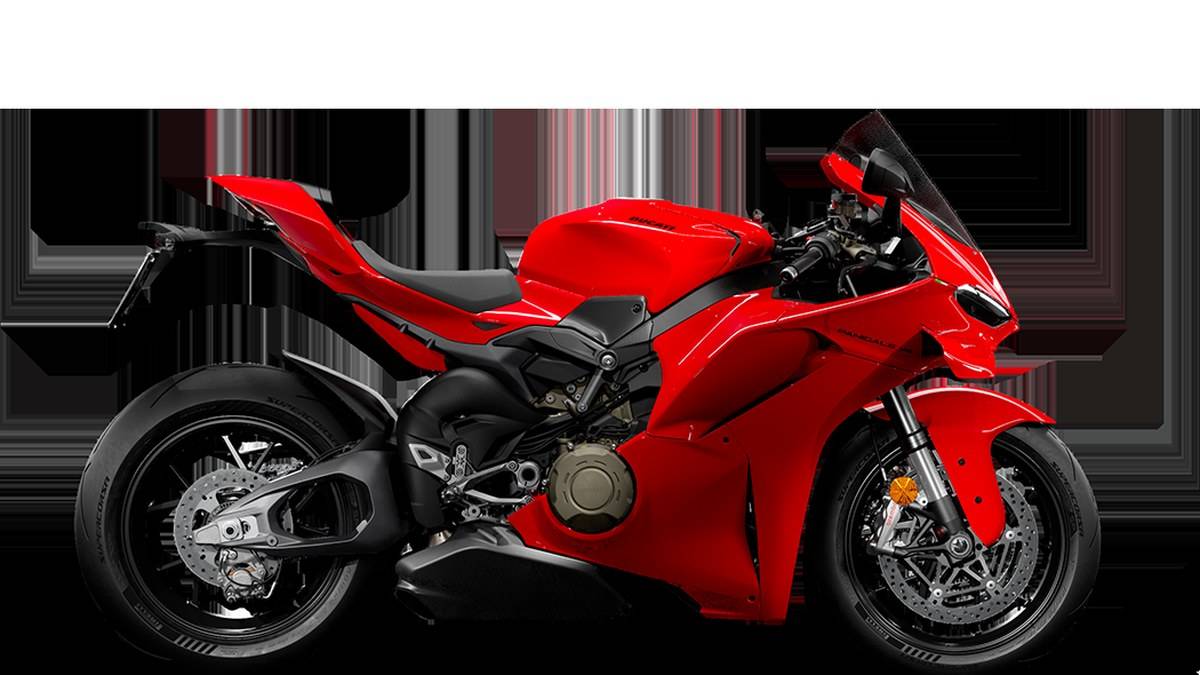
NEW DELHI: The Ducati Panigale V4's Race eCBS braking system can apply the rear brake when the rider operates the front brake, with seven selectable levels described by Ducati. Its function goes beyond a conventional description of ABS intervention. Understanding that distinction is useful before exploring the superbike's more aggressive electronic settings.
| Feature | What Ducati specifies |
|---|---|
| Race eCBS | Combined braking with cornering functionality |
| Adjustment | Seven levels |
| Rear brake activation | Can be applied automatically with front brake input |
| Instrument display | 6.9-inch TFT, 1280 x 480 pixels |
| Panigale V4 starting price | Rs 32,70,000, ex-showroom |
| Panigale V4 S starting price | Rs 39,79,000, ex-showroom |
Price as of 13 November 2026, 23:28 IST. The India product page supplies those starting figures. The explanation of Race eCBS comes from Ducati's dedicated electronics chapter, which distinguishes the system's combined-braking action from the other rider aids fitted to the motorcycle.
The front lever can command more than the front brake
Ducati says Race eCBS follows predefined strategies when it adds rear braking pressure. Its description includes motorcycle lean angle and rear load as factors. At the sportiest setting, the system can continue rear-brake intervention after the rider releases the front control, a function the company calls post run.
That is the model-specific point an owner needs to grasp. The rear brake's activity cannot always be understood solely by whether the rider is pressing the rear pedal. The motorcycle's selected electronic strategy also matters. A rider interpreting the machine's behaviour should establish the chosen configuration before drawing conclusions about what happened during a braking event.
Seven levels do not mean seven interchangeable road settings
Ducati separates track-oriented operation from the stability benefits it describes for road use. The presence of a selectable level does not establish that it is appropriate for every journey. The complete handbook remains the place to check the meaning, intended use and restrictions of a particular setting on the supplied motorcycle.
For an Indian owner who alternates between road journeys and organised track sessions, the practical issue is preserving that distinction. A setup chosen for a closed circuit should be reviewed before the motorcycle returns to public roads. Keeping a written note of the intended road configuration can make that review more deliberate, especially after several changes during a track day.
The display is part of understanding the system
The colour TFT has a wide horizontal layout. Ducati offers Road and Track information modes, with the latter presenting the electronic controls used for vehicle dynamics. These are display arrangements, which should not be confused with a promise that simply changing the screen view selects the appropriate braking strategy.
A useful handover demonstration should therefore separate what is being displayed from what is actually being configured. Ask to see the current brake setting and how the handbook identifies it. Familiarising yourself with the screen while stationary is more productive than discovering an unfamiliar menu when attention is needed for the road.
Keep the other electronic systems distinct
The electronics chapter also describes Ducati Vehicle Observer, traction and wheelie controls, and the quickshifter. They sit alongside Race eCBS but answer different questions. Engine torque management, gear changes and combined braking should not be merged into a single vague idea that the motorcycle is handling everything automatically.
The same chapter identifies electronically controlled suspension on the V4 S. That equipment distinction matters when reading material covering both versions. A rider examining the standard V4 needs to separate family-wide features from the suspension description specifically attached to the S, rather than assume that the higher-priced model's complete setup is universal.
Who needs this explanation
It is particularly useful for someone moving from an earlier superbike or a simpler ABS-equipped motorcycle to this Panigale generation. It is also relevant to an owner reviewing a demonstration bike's settings before accepting delivery. The aim is to know which controls are active, what they influence and where the official instructions stop short of a universal road setup.
For this machine, the key ownership task is building a reliable relationship between the displayed configuration and the behaviour the rider expects. More electronic adjustment creates more scope to tailor the motorcycle, but it also makes an undocumented setup harder to interpret. A clear baseline is valuable before any experimentation with circuit settings.
Related reading includes our Ducati Panigale V2 price list: Rs 19,51,000 to Rs 21,86,000, Ducati Panigale V4 price list: Rs 32,70,000 to Rs 39,79,000 and Ducati Diavel V4 price list: Rs 29,66,000 to Rs 29,98,000. Each concerns different hardware or variants; none replaces the Panigale's own instructions.
Official sources: Ducati Panigale V4 electronics and the Ducati India Panigale V4 overview, with technical context from Ducati's official model announcement.