
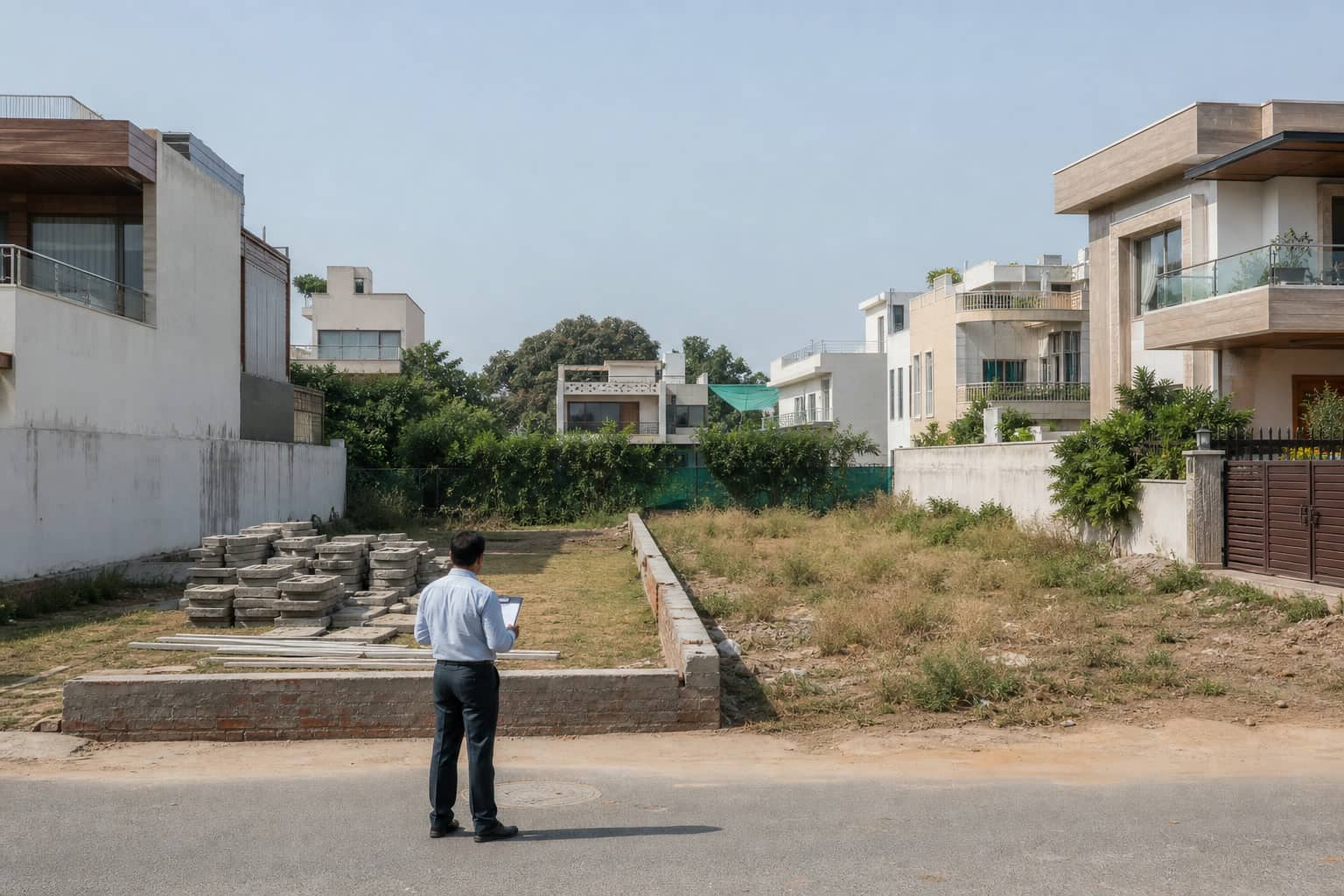
GURUGRAM: The Department of Town and Country Planning has directed DLF to increase vigilance over vacant residential plots in DLF Phase 3 and report suspected misuse, following complaints about activity that may not conform to the approved residential character of the colony.
Planning officials inspected the complaints and issued show-cause notices to the owners of two plots, identified as MA-38 and MA-39. A show-cause notice begins a proceeding and seeks an explanation; it is not a final order establishing a violation. Further action will depend on the replies and the department's assessment of records and site conditions.
Vacant land can change use without changing appearance
Misuse complaints in a residential colony can involve storage, parking, commercial activity, temporary structures or other purposes inconsistent with sanctioned plans. The precise allegations concerning the two plots must be judged from the notices and inspection record, not from neighbourhood speculation.
The developer has been asked to keep closer watch because the colony has not yet been handed over to the Municipal Corporation of Gurugram. Maintenance of essential services and oversight of common-area conditions therefore remain with DLF, while DTCP retains its regulatory role under the colony licence and planning rules.
That division of responsibility should not become a gap. The developer can document activity and alert the department, but coercive planning action must follow lawful notice and an order from the competent authority. Residents should have one channel to report concerns and receive a reference number rather than being sent between the developer, MCG and DTCP.
Monitoring also needs objective evidence. Time-stamped site photographs, access records where lawfully available and a description of the observed use are more reliable than a broad label such as nuisance or misuse. Officers should compare that material with the sanctioned plan and ownership documents before deciding the next step.
Enforcement must be consistent across the colony
Selective action against two visible plots would not address a wider pattern if similar activity exists elsewhere. DTCP's direction for continued vigilance can help build a common standard, but the criteria should be public: what activity requires permission, what is prohibited and how quickly an owner must restore the site after an order.
At the same time, vacant plots need basic upkeep even where no planning breach is found. Overgrown vegetation, stagnant water, loose waste and unprotected excavations can create sanitation and safety problems. Those issues may require maintenance action separate from land-use proceedings.
Owners receiving notices should be allowed to submit approvals, photographs and an explanation within the prescribed period. If a violation is established, any restoration or sealing action should follow a reasoned order and provide the appeal route available under law.
For residents, the value of the latest direction will depend on follow-through. A complaint that ends with one inspection but no recorded outcome fuels mistrust; an enforcement drive without due process creates a different problem. Plot-by-plot evidence, timely decisions and equal application of the rules are the balance DLF Phase 3 now needs.