A domestic violence complaint can be registered online with the National Commission for Women through its official complaint system. That route seeks the Commission's intervention and monitoring; protection, residence and monetary orders under the Protection of Women from Domestic Violence Act, 2005 are sought from a Magistrate. Someone facing immediate danger should use emergency assistance on 112, while the Women Helpline on 181 can help connect women with support services where operational.
| Need | Official route |
|---|---|
| Immediate emergency | 112 |
| Women support and referrals | 181, subject to local availability |
| Online Commission complaint | NCW complaints registration system |
| Protection or residence order | Application to the competent Magistrate |
| Help preparing an application | Protection Officer and legal aid services |
Domestic violence complaint online: the NCW process
The NCW's official complaint https://ncwapps.nic.in/onlinecomplaintsv2/frmFAQs.aspx includes protection against domestic violence among the matters it handles. It asks for complete details and the specific intervention sought. Its complaint system provides a public registration form, which asks about the complainant, the victim, the respondent and the incident. Reading the form does not require submitting a complaint.
Prepare a clear account with dates and locations, contact information, details of steps already taken and supporting documents if available. The form asks whether a case is pending in court or before a State Commission for Women. Answer those questions accurately. The https://ncwapps.nic.in/onlinecomplaintsv2/frmFAQs.aspx says matters already before a court or another Commission fall among categories it does not entertain.
If the Commission accepts a complaint, its https://ncwapps.nic.in/onlinecomplaintsv2/frmFAQs.aspx says an acknowledgement, complaint number and login credentials are supplied for tracking. Receipt of a form is therefore different from acceptance after scrutiny. Keep the acknowledgement securely and use the official status service for the accepted complaint. No account was created, complaint filed or personal information submitted while preparing this guide.
The Commission says it can take matters up with the concerned authorities and expedite or monitor police investigations. This explains what the online route is for. A Commission complaint number is not itself a protection order, a court award or proof that the allegations have been established.
Who is protected under the Domestic Violence Act?
The 2005 Act, available on the Uttar Pradesh Police website, defines an aggrieved person as a woman who is, or has been, in a domestic relationship and alleges domestic violence. Its domestic relationship definition covers people who live or have lived together in a shared household, with relationships including marriage, blood relationship, adoption, a relationship in the nature of marriage and joint family membership.
Section 3 goes beyond physical injury. It includes sexual abuse, verbal and emotional abuse, and economic abuse. Economic abuse can include deprivation of necessary financial resources or restrictions on access to resources and the shared household. The overall circumstances matter, so a short checklist cannot determine how a particular case will be decided.
A Protection Officer has duties under section 9 that include preparing a domestic incident report, assisting with an application when requested and helping secure legal aid. Section 12 allows an application to the Magistrate by the woman, a Protection Officer or another person on her behalf. Ask for help identifying the officer and court responsible for the area.
What relief can a Magistrate order?
Section 18 permits protection orders restricting specified conduct, including violence or contact. Section 19 deals with residence orders, which can address dispossession from the shared household and, where appropriate, alternative accommodation or rent. Section 17 recognises a right to reside in the shared household even without ownership. Residence protection should not be described as an automatic transfer of property title.
Section 20 permits monetary relief for expenses and losses, including lost earnings, medical expenses, property loss and maintenance. Section 21 concerns temporary custody of children, and section 22 allows compensation for injuries including mental torture and emotional distress. There is no single fixed payment promised to every applicant: relief depends on the court's assessment and order.
Section 23 enables interim orders and, where its conditions are met, orders on an affidavit without first hearing the other side. A lawyer or Protection Officer can help explain the relief being requested and the supporting material needed. Section 24 provides for free copies of orders to the parties and specified authorities.
Deadlines, documents and support numbers
Section 12 says the first hearing should ordinarily be fixed within three days of the court receiving the application. It asks the Magistrate to endeavour to dispose of the application within 60 days of the first hearing. These provisions are not a guarantee of a final order within three days or an unconditional disposal deadline in every case.
Keep available incident details, earlier complaint acknowledgements, relevant messages, medical records and information about the relief sought, where these exist. This is a preparation checklist, rather than a claim that every item is mandatory. The Protection Officer can help with the prescribed application form. Do not delay seeking urgent assistance while trying to assemble a perfect file.
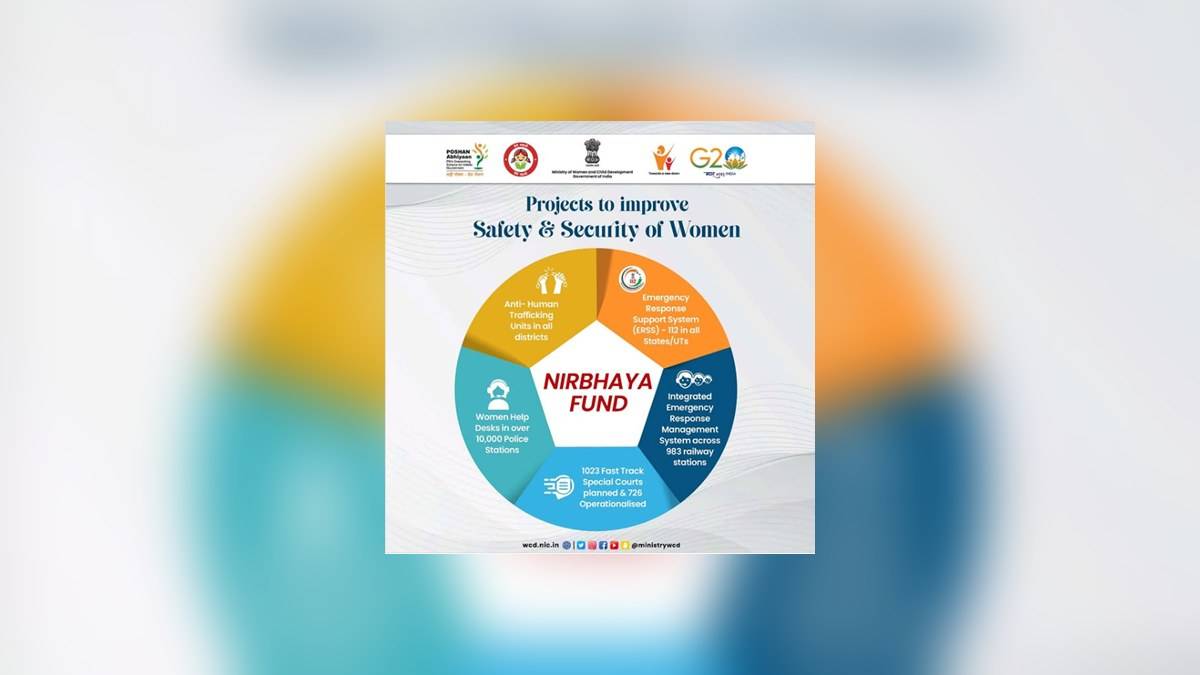
The official Women Helpline https://ncwapps.nic.in/onlinecomplaintsv2/frmFAQs.aspx identifies 181 for support and referrals and says the service is operational in all states and Union territories except West Bengal. A government explanation of women's safety services identifies 112 for emergencies and One Stop Centres for medical, police, legal, counselling and temporary shelter support. Local arrangements should be confirmed.
These are existing legal and service routes, not a newly announced cash scheme. For further background, read free legal aid eligibility, senior citizen maintenance law and consumer grievance filing. They cover separate legal processes. Confirm the appropriate authority for the immediate problem, and distinguish an online grievance acknowledgement from the court order required for a particular remedy.