CWC Puts Varanasi Ganga at 68.72 m on Sunday, Still Falling; Boats Remain Off
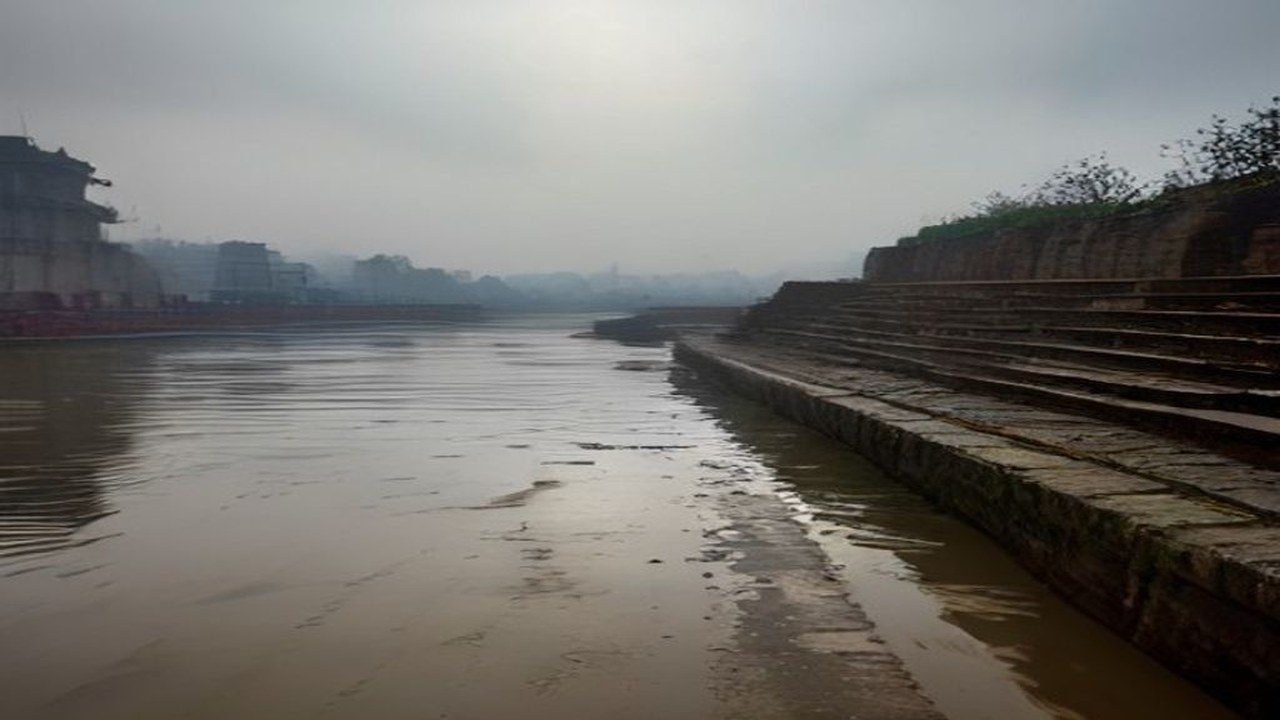
The Central Water Commission’s Varanasi gauge put the Ganga at 68.72 metres on Sunday, 13 September 2026, still falling at about 20 millimetres an hour and roughly 2.5 metres below the 71.262-metre danger mark. Boat operations stayed suspended. NDRF and water police kept 24x7 patrols on the river and along the banks.
The fall is real, but it is not a clean exit from flood work. Low-lying and riverside pockets still hold floodwater. Where the river has pulled back from the steps, thick silt and mud coat the ghats. Garbage sits in the wet sludge in places, and a sour smell hangs where organic waste has been left behind by the receding water.
District administration messaging on Sunday stayed blunt: do not enter deep water. Relief — food, drinking water, medical attention — continues in the pockets that remain wet. Departments have been told to move quickly where lanes and courtyards are still waterlogged. That instruction sits beside the CWC stamp, not instead of it.
This file is distinct from the earlier 10 September piece that tracked a rebound to 69.29 metres. Sunday’s 68.72 m reading is a lower stamp on a falling trend. Readers who mix the two numbers will invent a false bounce. The locked figure for 13 September is 68.72 m, falling 20 mm per hour, against a danger line of 71.262 m.
Boat services remain off. No restart date is locked here. Crews and pilgrims who watch the ghats for a return of ferries will have to wait for a fresh administrative order; this desk will not invent one. Until that order arrives, the river is a patrol and relief zone, not a tourist boat corridor.
Silt on the steps is more than a cleanup chore. Wet mud turns stone into a slip hazard. Where garbage has settled into the sludge, municipal and civic crews will need coordinated clearing once the waterline stabilises further. Smell in pockets of the bank is a public-health cue, not colour invented for atmosphere — it follows organic waste left by a river that rose and then dropped.
NDRF and water police on round-the-clock duty keep the operational frame visible while the gauge falls. A river 2.5 metres under danger is still a river that drowned lanes days earlier. Patrol presence and the stay-out-of-deep-water appeal are how the administration holds the middle ground between a falling CWC number and households that still see water in their courtyards.
Relief work in low pockets does not end because the city gauge prints a comforting decimal. Food and medical runs continue where access is still awkward. Departments told to act quickly are being measured against that ground reality, not against a headline that the danger mark has been cleared by a wide margin.
For ghat-side traders and boatmen, the practical stamp is simple: level falling, boats still off, silt and mud on the stone, patrols on. For residents in riverside lanes, the stamp is equally plain: some water remains, relief continues, deep water is off-limits. The CWC number and the ground conditions have to be read together.
Until a later CWC bulletin revises the gauge, Varanasi’s locked river stamp for Sunday is 68.72 metres, falling 20 millimetres an hour, about 2.5 metres under the 71.262-metre danger mark, with boats suspended and NDRF and water police on 24x7 watch.
Sources and reporting
Central Water Commission Sunday 13 Sep 2026 Varanasi gauge 68.72 m, falling 20 mm/h, danger 71.262 m (~2.5 m below); boats still suspended; NDRF and water police 24x7; silt/mud on ghats after water dropped; administration appeal stay out of deep water; relief work continuing in low pockets.
Related Stories
IMD Records a Dry 24 Hours in Varanasi: 34.0°C High, No Rain, No Warning

Hartalika Teej Observed in Varanasi With Nirjal Vrat From Brahma Muhurat to Pradosh
IWAI Starts India’s First River Ship-Repair Centre at Ramnagar Port

Ramkatora Gathering Remembers Former Varanasi MP Shyam Lal Yadav

BHU’s Anviti Art Contest Imagines Future Worlds; Sanjay Mishra Listed for September 15 Closing