GURUGRAM: A city court has restrained Dakshin Haryana Bijli Vitran Nigam from disconnecting electricity to Suncity Avenue in Sector 102 while a Rs 96.84 lakh billing dispute is heard, protecting about 800 households from losing an essential service over dues contested between the distribution company, the developer and the residents' association.
Civil Judge Jasmeet Singh granted interim relief at the first hearing on the RWA's application. The court observed that cutting supply would have immediate and serious consequences for residential families, while the disagreement over the demand could be adjudicated through the legal process. The matter is listed again for 8 October, when DHBVN and the developer have been directed to file replies.
Demand arose from a single-point connection audit
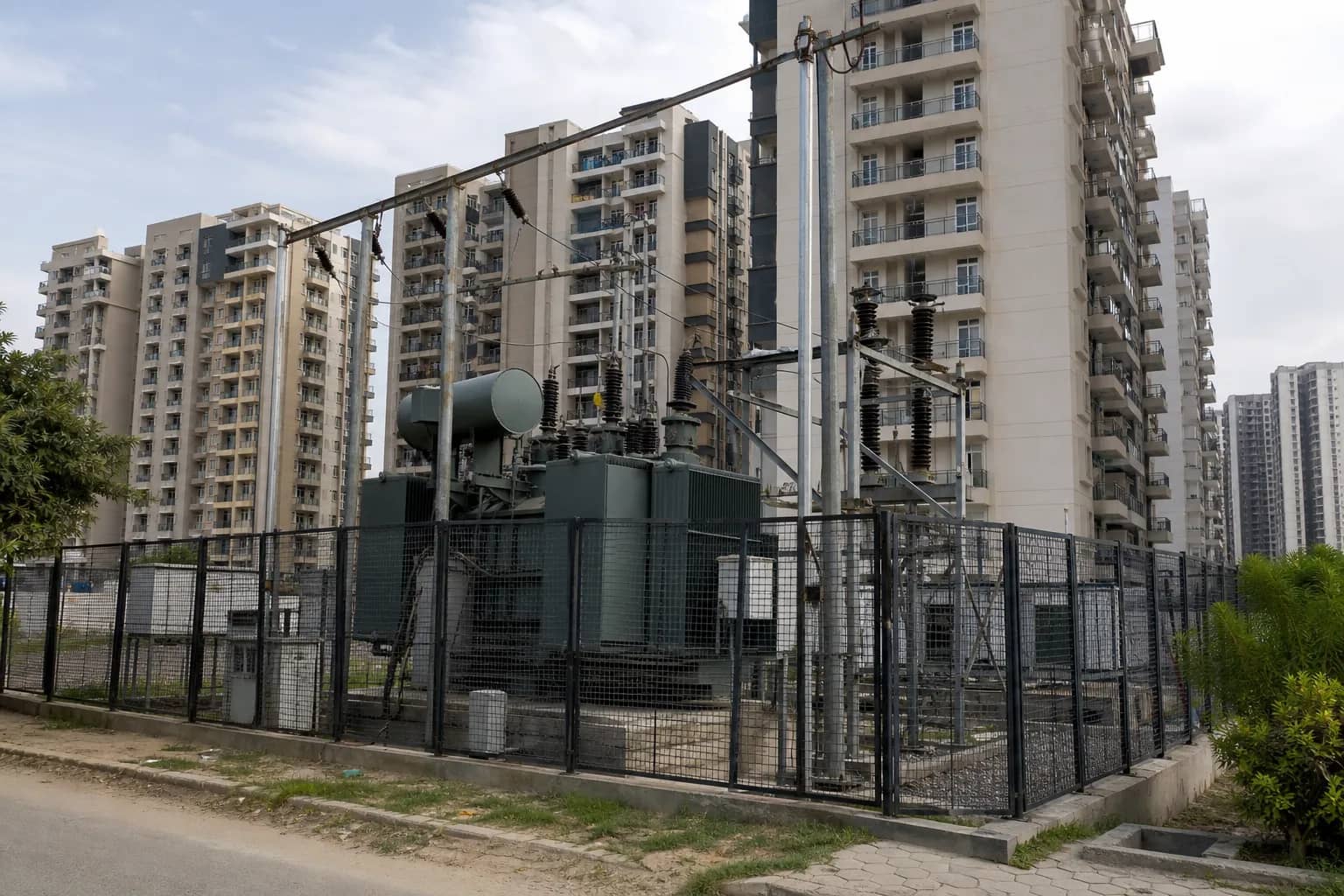
Suncity Avenue receives power through a single-point arrangement, under which the distribution company supplies the complex at one point and electricity is then managed within the society. DHBVN audited such connections and concluded that more than 15 per cent of the sanctioned load at the complex was being used for commercial activity, including shops and other outlets. Commercial supply attracts a higher tariff than bulk domestic power.
According to documents placed before the court, the society received bills of about Rs 15 lakh and Rs 20 lakh in March and April. The May bill rose to Rs 1.17 crore, including the disputed Rs 96.84 lakh calculated retrospectively from 2019 for alleged commercial consumption. The RWA argued that residents were not liable for the developer's past management of the connection and could not absorb the demand.
DHBVN's counsel submitted that the RWA was not the registered consumer and that the demand had been raised against the realty firm. The developer has also been asked to respond. Those positions show why the interim order is not a final ruling on who owes what. It preserves supply while the court examines contracts, billing records, the handover timeline and the legal responsibility attached to the single-point connection.
Essential supply and liability are separate questions
The court noted that electricity is an essential service and referred to its place within the right to life. That principle does not cancel a valid bill. It means disconnection should not be used in a way that places hundreds of families at immediate risk before the underlying liability has been determined, particularly where residents say the disputed period predates their control.
The case also exposes a recurring governance problem in large housing projects. Commercial outlets, common-area loads, developer accounts and resident meters can sit under one bulk connection for years. When management is transferred, incomplete records make it difficult to separate historic dues from current consumption. A formal electrical and financial handover is as important as transferring clubhouses or maintenance files.
Before 8 October, the parties should place a clear load audit, tariff calculation and year-wise statement before the court. Residents need to know what portion relates to current use, what was billed retrospectively and which entity controlled the connection at each stage. The interim relief keeps the lights on. The next task is to replace a lump-sum dispute with an account that can be tested line by line.