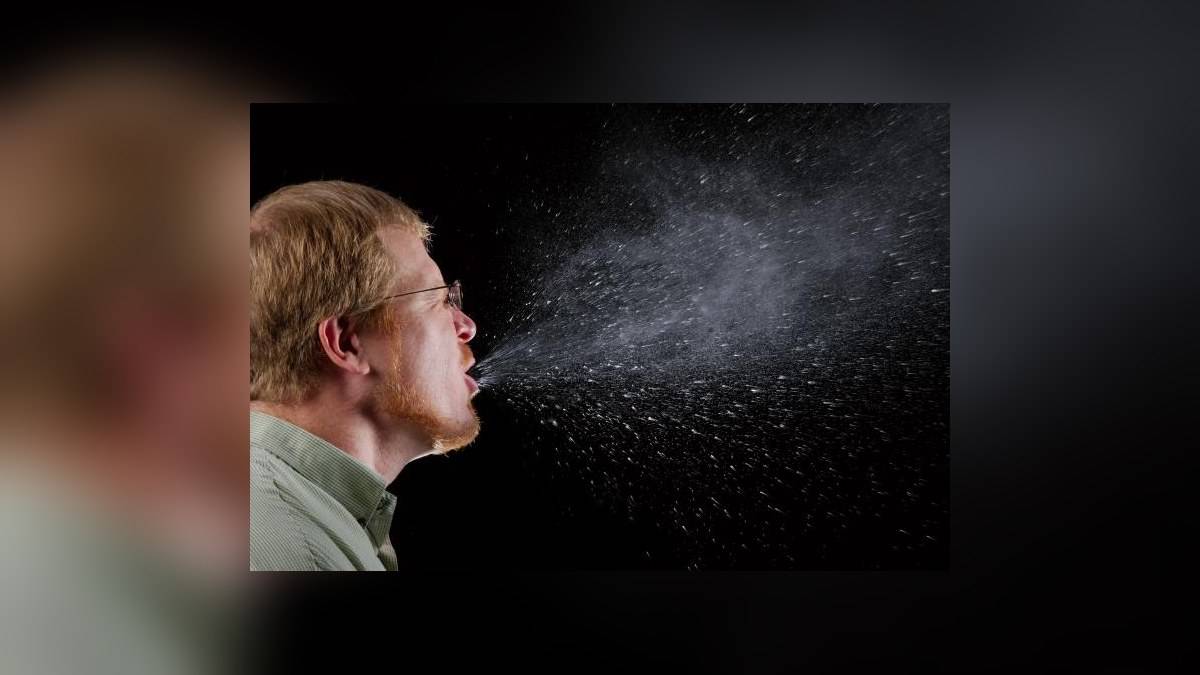
Common cold prevention starts with reducing contact with respiratory viruses: wash your hands, cover coughs and sneezes, avoid sharing cups or towels with someone who is ill, and take precautions around others when you have symptoms. Colds are caused by viruses, and they can happen in any season, including winter.
No single habit guarantees protection. The practical aim is to reduce opportunities for a virus to reach another person's nose, mouth or eyes. At home, that means thinking about shared objects and close contact as well as what happens when someone coughs or sneezes.
| Situation | Useful precaution |
|---|---|
| Coughing or sneezing | Use a tissue and dispose of it promptly. |
| Shared household items | Avoid sharing cups and towels with an ill person. |
| Unwashed hands | Avoid touching your eyes and nose. |
| Respiratory symptoms | Reduce close contact and protect vulnerable people. |
What causes the common cold?
The US Centers for Disease Control and Prevention describes a cold as a viral infection of the upper respiratory tract. More than 200 respiratory viruses can cause colds. Different viruses spread in different ways, including through respiratory droplets, contaminated surfaces and close personal contact.
A blocked or runny nose, sneezing, cough and sore throat can occur with a cold. However, a familiar combination of symptoms does not identify the virus. CDC distinguishes cold viruses from those causing influenza, COVID-19 and RSV, which can produce similar symptoms and may cause more severe illness.
CDC also makes a useful seasonal distinction: some respiratory viruses circulate more in winter, while others circulate in spring, summer or autumn. A winter calendar cannot confirm that an illness is an ordinary cold.
How can you reduce cold spread at home?
The NHS common cold guide recommends frequent hand washing with soap and water, using tissues to catch coughs and sneezes, and putting used tissues in the bin promptly. These are repeatable actions for everyone in a household, including people who currently feel well.
It also advises against sharing household items such as cups, towels and children's toys with someone who has a cold. Avoid touching your eyes or nose when your hands may have picked up a virus. Putting tissues and a bin within easy reach can make these precautions easier to follow during an ordinary working or school day.
Someone can begin spreading a cold before symptoms appear, according to the NHS. Waiting until a person looks very unwell therefore misses part of the period when transmission can occur. Our hand washing guide explains the technique behind this everyday precaution.
Do masks and cleaner air help with prevention?
CDC's broader respiratory illness prevention guidance treats hygiene and steps towards cleaner air as core precautions. It lists masks, physical distancing and testing as additional measures that can offer another layer of protection, particularly around people at greater risk of severe illness.
This is guidance for respiratory illnesses as a group. It should not be read as proof that a person with a runny nose has a particular infection. Consider the people who share the room, especially an older relative or someone with a weakened immune system, when deciding how much close contact is necessary.
Prevention becomes especially relevant when someone is ill, recently exposed or recovering. If you have an existing condition, consult a qualified doctor about respiratory symptoms and the precautions appropriate for you.
When should someone with symptoms stay away from others?
In its guidance on preventing spread when sick, CDC advises staying home and away from others when respiratory symptoms are not better explained by another cause. Its benchmark for returning to normal activity is that symptoms have improved overall and there has been no fever, without fever reducing medicine, for at least 24 hours.
CDC then recommends added precautions for the next five days, such as masks, hygiene, cleaner air or distancing. Feeling better does not necessarily mean someone can no longer spread a virus. These are health precautions from CDC, not an Indian school attendance or workplace leave rule.
Which symptoms need medical attention?
CDC's common cold guidance on seeking care lists trouble breathing, fast breathing and dehydration among reasons to seek medical attention. It also flags fever lasting longer than four days, symptoms lasting more than ten days without improvement, and symptoms that improve before returning or worsening.
A worsening existing medical condition also needs attention. People at higher risk of severe influenza or COVID-19 should contact a healthcare professional promptly even when symptoms seem mild. Do not use a cold label to dismiss breathing difficulty or another severe or concerning symptom.
For related distinctions, read our guides to flu symptoms and warning signs and sinusitis symptoms after a cold.