Exercise after delivery can begin with gentle movement when you feel ready after a straightforward birth. Running, aerobics and other demanding activity need a more cautious return: NHS guidance recommends getting advice at the postnatal check before high impact exercise, while a caesarean or complicated delivery calls for individual guidance before anything strenuous.
The useful question is which activity suits your recovery now. A walk around the home and a return to running place different demands on the body. There is no single day after delivery that gives everyone permission to resume their previous routine.
| Situation | Official guidance |
|---|---|
| Straightforward birth | Begin gentle activity when you feel able. |
| High impact exercise | Seek advice at the postnatal check first. |
| Caesarean or complications | Get individual advice before strenuous activity. |
| Longer term activity | Build up gradually, taking account of recovery. |
When can exercise start after delivery?
The NHS guide to keeping active with a baby includes walking and gentle stretching among early options after an uncomplicated birth. It also says recovery takes longer after a more complicated delivery or caesarean. For Indian readers, the relevant person to discuss this with is the qualified doctor or maternity professional overseeing their own recovery.
For a beginner, gentle walking is an alternative to restarting a previous workout. Keep the movement comfortable and stop if there is pain. Ask your clinician which warning signs mean you should stop or limit activity, especially after surgery or a difficult birth.
How much postnatal exercise does WHO recommend?
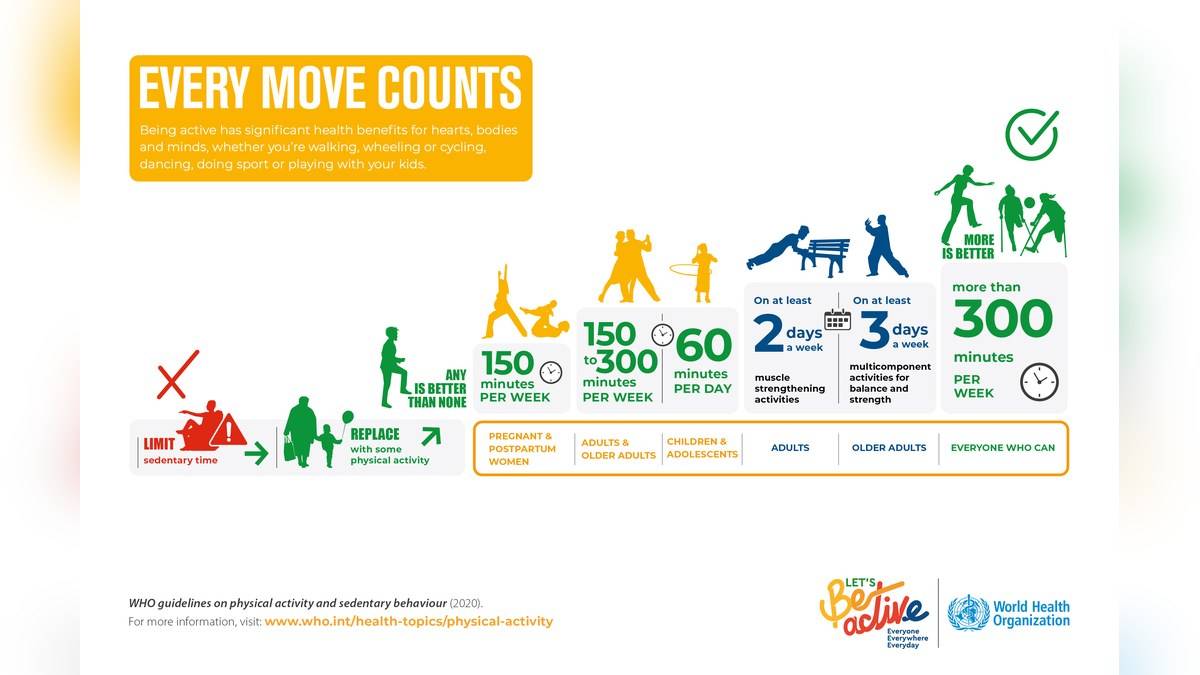
The World Health Organization's maternal health recommendations advise regular physical activity for postpartum women without contraindications, meaning medical reasons to avoid it. The recommendations include at least 150 minutes of activity across the week, varied activity and muscle strengthening. Gentle stretching may also be beneficial.
That weekly recommendation belongs alongside WHO's instructions to start with small amounts and gradually increase how often, how long and how intensely you move. The total can be accumulated across the day. It does not require one continuous session or a full weekly target immediately after birth.
WHO specifically calls for a gradual return in consultation with a health worker, particularly after caesarean birth. Its guidance also recognises the role of partners and families in supporting activity. If you have a health condition, consult a qualified doctor before starting or increasing exercise.
Our guide to weekly physical activity recommendations explains the wider adult framework. Postnatal recovery still needs its own assessment.
Why might familiar exercises feel different?
The NHS explains in Your post-pregnancy body that pregnancy can separate the two muscles running down the middle of the abdomen. The separation varies. Its guidance advises avoiding sit ups, planks and high impact exercise to start with, along with heavy lifting and straining.
A visible abdominal gap, discomfort or a feeling that movement is difficult is something to discuss with a professional. The NHS advises contacting a doctor if the gap remains obvious eight weeks after birth. That is a reason to seek assessment, rather than choose an abdominal routine from a photograph or video.
The same guidance offers practical reminders for everyday movement: keep the back straight and bend the knees when lifting, and support the back while feeding a baby. These details matter because activity after delivery includes repeated daily tasks as well as planned exercise.
If a physical problem is bothering you, ask for help at any time. The NHS says a doctor can assess it and arrange specialist support when necessary. An exercise article cannot establish whether an individual has recovered from a birth injury or operation.
What should you ask at the postnatal check?
The NHS postnatal check guide places that appointment at six to eight weeks after birth. This describes its clinical guidance, not an Indian appointment entitlement. Ask your own maternity team when your follow up is due and write down questions before going.
Useful matters to raise include ongoing pain, wound healing, bladder or bowel leakage, and concerns about mood. The NHS describes checking blood pressure when there were problems during pregnancy or immediately afterwards, and potentially examining stitches after a caesarean or episiotomy. Tell the clinician what activity you hope to restart.
Discuss feeling persistently sad, anxious or unable to cope as well. Physical recovery and mental wellbeing both belong in this conversation. The check is an opportunity to ask what is suitable now, what should wait, and whether further assessment is needed before increasing activity.
Related reading includes our PMSMA pregnancy check up explainer and guide to walking and activity intensity.